
Blood Pressure (High) in Korea

Overview High blood pressure, medically known as hypertension, is a chronic condition in which the force of blood against the walls of the arteries is persistently elevated. Hypertension is a major risk factor for heart disease, stroke, kidney disease, and other cardiovascular complications. In Korea, it is a common health concern, particularly among adults over […]
Bites and Stings in Korea
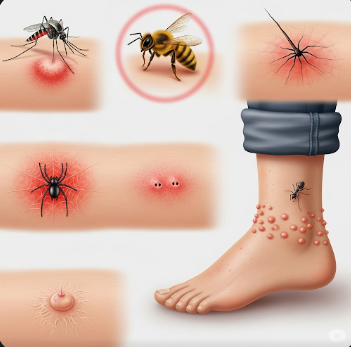
Overview Bites and stings occur when humans come into contact with insects, arachnids, snakes, or other animals, leading to local or systemic reactions. While most bites and stings are minor and cause temporary discomfort, some can result in allergic reactions, infections, or severe medical complications. In Korea, medical facilities provide immediate treatment for bites and […]
Bacterial Infections in Korea

Overview Bacterial infections occur when harmful bacteria enter the body, multiply, and cause illness. These microorganisms can affect various organs and systems, ranging from the skin and respiratory tract to the digestive and urinary systems. While some bacteria are beneficial and essential for health, pathogenic bacteria can lead to mild or severe diseases. In Korea, […]
Toe Fracture in Korea

Overview A toe fracture is a break or crack in one or more of the bones in the toes, often resulting from trauma, sports injuries, or accidents. While sometimes considered minor compared to other fractures, toe fractures can cause significant pain, swelling, and difficulty walking. In South Korea, orthopedic specialists provide advanced diagnostic imaging, precise […]
Throat Cancer in Korea
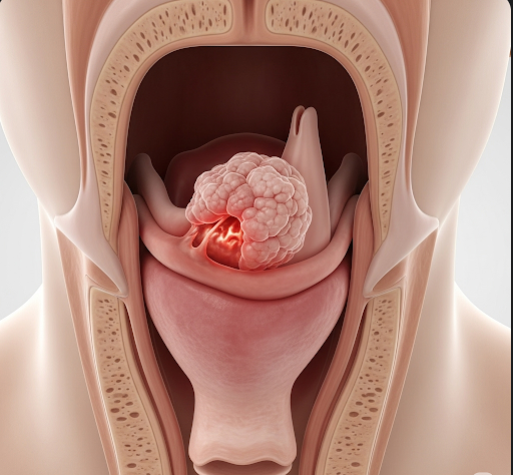
Overview Throat cancer, also known as pharyngeal cancer, is a malignant tumor that develops in the pharynx, larynx, or surrounding tissues of the throat. It can affect the voice box, tonsils, and other areas critical for breathing, swallowing, and speaking. South Korea has advanced oncology centers and head-and-neck surgical expertise, offering early detection, precise diagnostics, […]
Thalassaemia in Korea

Overview Thalassaemia is a group of inherited blood disorders characterized by abnormal hemoglobin production, leading to reduced red blood cell formation and chronic anemia. The condition ranges from mild forms, which may be asymptomatic, to severe forms requiring lifelong medical care. In South Korea, advanced hematology and genetic testing facilities provide comprehensive diagnosis, treatment, and […]
Tetanus in Korea

Overview Tetanus, commonly known as “lockjaw,” is a serious bacterial infection caused by Clostridium tetani. This bacterium produces a potent neurotoxin that affects the nervous system, leading to muscle stiffness and spasms. Although preventable through vaccination, tetanus remains a critical health concern worldwide. In South Korea, national immunization programs and advanced medical care have made […]
Tension Headache in Korea

Overview Tension headache is one of the most common types of primary headaches, characterized by mild to moderate pain, often described as a tight band or pressure around the head. Unlike migraines, tension headaches are typically not associated with nausea or visual disturbances but can significantly affect daily activities, productivity, and quality of life. In […]
Tuberculosis (TB) in Korea

Overview Tuberculosis (TB) is a contagious bacterial infection caused by Mycobacterium tuberculosis, primarily affecting the lungs but capable of spreading to other organs such as the lymph nodes, kidneys, spine, and brain. TB remains a significant public health concern worldwide, including South Korea, where robust national programs have been implemented for early detection, treatment, and […]
Type 2 Diabetes in Korea

Overview Type 2 Diabetes (T2D) is a chronic metabolic disorder characterized by insulin resistance and progressive pancreatic beta-cell dysfunction, resulting in elevated blood glucose levels. Unlike Type 1 Diabetes, which is autoimmune, T2D is strongly influenced by lifestyle factors, genetics, and environmental conditions. South Korea has experienced a rising prevalence of T2D, largely due to […]