
Type 1 Diabetes in Korea

Overview Type 1 Diabetes (T1D) is a chronic autoimmune condition in which the body’s immune system attacks and destroys insulin-producing beta cells in the pancreas. Unlike Type 2 diabetes, which is often linked to lifestyle factors, T1D typically develops in children, adolescents, or young adults, although it can occur at any age. Insulin deficiency leads […]
Tooth Pain in Korea

Overview Tooth pain, also known as dental pain or odontalgia, is a common condition experienced by people of all ages. It can range from mild discomfort to severe, throbbing pain and may indicate underlying dental or systemic issues. Causes include tooth decay, abscesses, gum disease, trauma, or nerve-related problems. In South Korea, advanced dental care […]
Tinnitus in Korea

Overview Tinnitus is the perception of sound in the ears or head without an external source, often described as ringing, buzzing, hissing, or roaring. It is a common condition that can range from mild annoyance to severe impairment, affecting concentration, sleep, and quality of life. While tinnitus itself is not a disease, it often indicates […]
Thyroid Cancer in Korea

Overview Thyroid cancer is a malignant growth that originates in the thyroid gland, a small butterfly-shaped gland located at the base of the neck. While it is one of the most common endocrine cancers, it is also among the most treatable when detected early. South Korea is known for its advanced diagnostic capabilities, particularly through […]
Throat Cancer in Korea
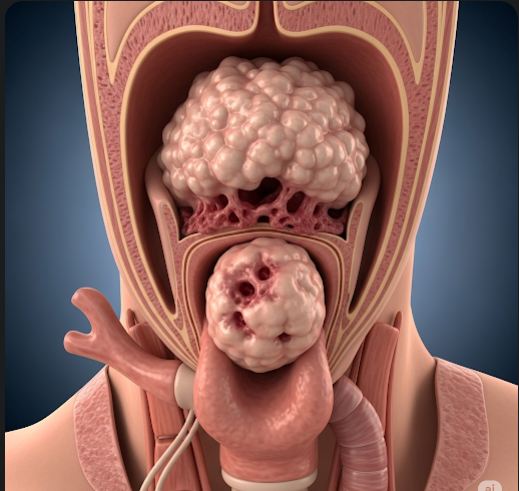
Overview Throat cancer refers to malignant tumors that develop in the pharynx, larynx, or other areas of the throat. This type of cancer can affect voice, swallowing, breathing, and overall quality of life. Early detection significantly improves treatment outcomes. South Korea offers advanced diagnostic facilities, precision radiotherapy, minimally invasive surgery, and comprehensive oncology care, providing […]
Thalassemia in Korea
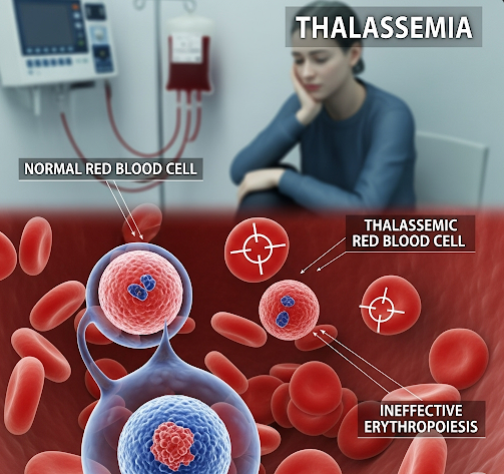
Overview Thalassemia is an inherited blood disorder characterized by abnormal hemoglobin production, leading to reduced oxygen-carrying capacity and chronic anemia. It primarily affects red blood cells, causing fatigue, weakness, and other systemic complications. There are several types of thalassemia, with alpha and beta thalassemia being the most common. South Korea provides advanced diagnostic laboratories, genetic […]
Testicular Pain in Korea

Overview Testicular pain, also known as orchialgia, is discomfort or pain that occurs in one or both testicles. This symptom can range from mild and intermittent to severe and sudden, and it may indicate an underlying medical condition requiring prompt attention. Causes can include infections, injuries, chronic conditions, or even referred pain from other areas […]
Tennis Elbow (Lateral Epicondylitis) in Korea

Overview Tennis Elbow, medically known as Lateral Epicondylitis, is a condition characterized by pain and inflammation on the outer part of the elbow. It occurs when the tendons that attach the forearm muscles to the lateral epicondyle—a bony prominence on the elbow—become overloaded or damaged. Despite its name, Tennis Elbow is not exclusive to tennis […]
Iron-Deficiency Anemia in Korea
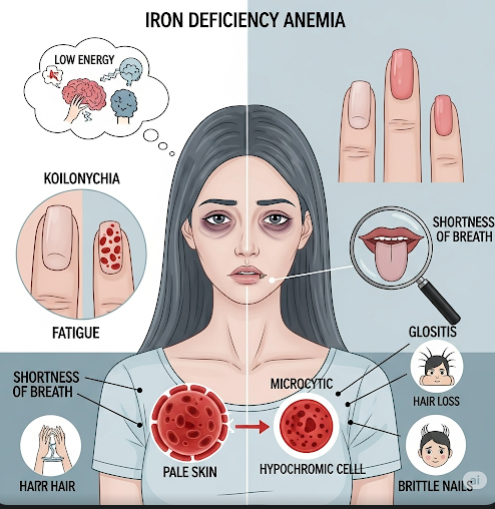
Overview Iron-deficiency anemia (IDA) is the most common type of anemia worldwide, resulting from insufficient iron levels to meet the body’s needs for producing healthy red blood cells. Iron is essential for hemoglobin synthesis, the protein in red blood cells responsible for oxygen transport. When iron stores are depleted, hemoglobin production falls, leading to decreased […]
Intestinal Parasites in Korea

Overview Intestinal parasites are organisms that live in the gastrointestinal tract of humans, feeding off the host and often causing a range of digestive and systemic symptoms. These parasites can be protozoa (single-celled organisms) or helminths (worms), and they are common worldwide, especially in regions with limited sanitation. In Korea, improved public health measures have […]