
Gum disease in Korea

Overview Gum disease, also known as periodontal disease, is an infection of the tissues surrounding the teeth, primarily caused by bacterial plaque buildup. It ranges from mild gingivitis to advanced periodontitis, which can lead to tooth loss if untreated. In Korea, dental care is widely accessible, and modern clinics offer advanced preventive, diagnostic, and treatment […]
Bronchiolitis in Korea
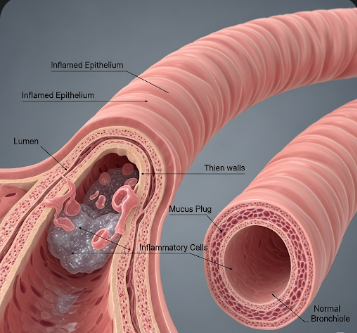
Overview Bronchiolitis is a common respiratory infection primarily affecting infants and young children, characterized by inflammation and congestion in the small airways (bronchioles) of the lungs. This condition often leads to coughing, wheezing, difficulty breathing, and in severe cases, hospitalization. In Korea, bronchiolitis is managed in pediatric and respiratory clinics, where specialized care ensures early […]
Bronchial Asthma in Korea

Overview Bronchial asthma is a chronic respiratory condition characterized by inflammation and narrowing of the airways, leading to recurrent episodes of wheezing, shortness of breath, chest tightness, and coughing. It is a common condition affecting both children and adults worldwide. In Korea, asthma management focuses on early diagnosis, personalized treatment plans, and long-term monitoring. Korean […]
Breast Cancer in Korea

Overview Breast cancer is a malignant tumor that forms in the breast tissue, usually in the ducts or lobules. It is one of the most common cancers affecting women worldwide, including Korea, and can also occur in men, though rarely. Early detection and treatment are critical for improving survival and preserving quality of life. In […]
Brain Injury in Korea
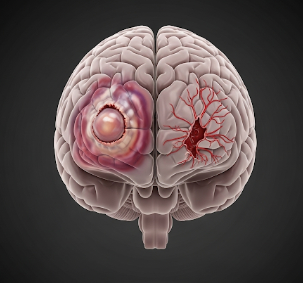
Overview Brain injury refers to any damage to the brain that affects its normal function. It can result from trauma, lack of oxygen, infections, strokes, or other medical conditions. Brain injuries range from mild concussions to severe, life-threatening injuries, and can lead to temporary or permanent neurological deficits. In Korea, brain injuries are treated in […]
Brain Hemorrhage in Korea
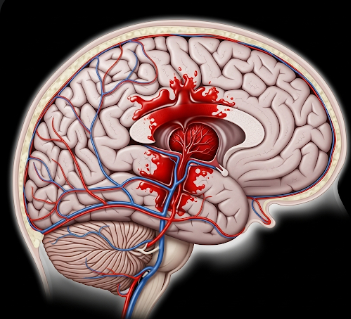
Overview A brain hemorrhage, also called intracerebral hemorrhage, occurs when a blood vessel in the brain ruptures, causing bleeding into surrounding brain tissue. This bleeding increases intracranial pressure and can severely damage brain cells, potentially leading to stroke, neurological deficits, or death. In Korea, brain hemorrhage is treated in neurosurgery, neurology, and intensive care units […]
Bowel Cancer in Korea
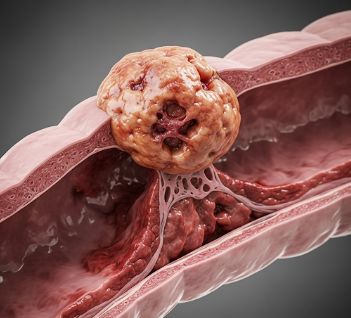
Overview Bowel cancer, also known as colorectal cancer, is a malignant tumor that develops in the large intestine (colon) or rectum. It is one of the most common cancers in Korea, with incidence increasing with age and lifestyle factors. Early detection is critical, as the prognosis improves significantly with timely intervention. Korean healthcare emphasizes screening […]
Bone Fractures in Korea
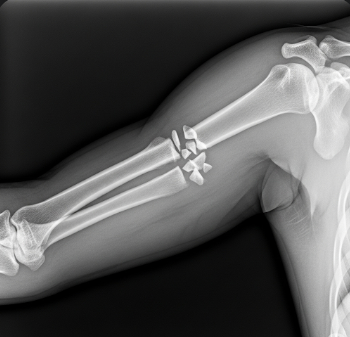
Overview Bone fractures are breaks, cracks, or disruptions in the continuity of a bone, typically caused by trauma, falls, accidents, or underlying bone weakness. They can range from simple, stable fractures to complex, compound, or multiple fractures involving adjacent tissues. In Korea, bone fractures are managed in orthopedic and trauma centers, which provide rapid diagnosis, […]
Blount’s Disease in Korea

Overview Blount’s disease is a growth disorder of the shin bone (tibia) that causes abnormal bowing of the legs, primarily affecting young children and adolescents. The condition results from impaired growth at the medial part of the proximal tibial growth plate, leading to progressive deformity if untreated. In Korea, Blount’s disease is recognized early through […]
Blood Pressure (Low) in Korea

Overview Low blood pressure, medically known as hypotension, occurs when the force of blood against the walls of the arteries is lower than normal, often leading to insufficient blood flow to vital organs such as the brain, heart, and kidneys. While mild hypotension may be asymptomatic and even healthy in some individuals, severe or chronic […]