
Cerebral Hemorrhage in Korea
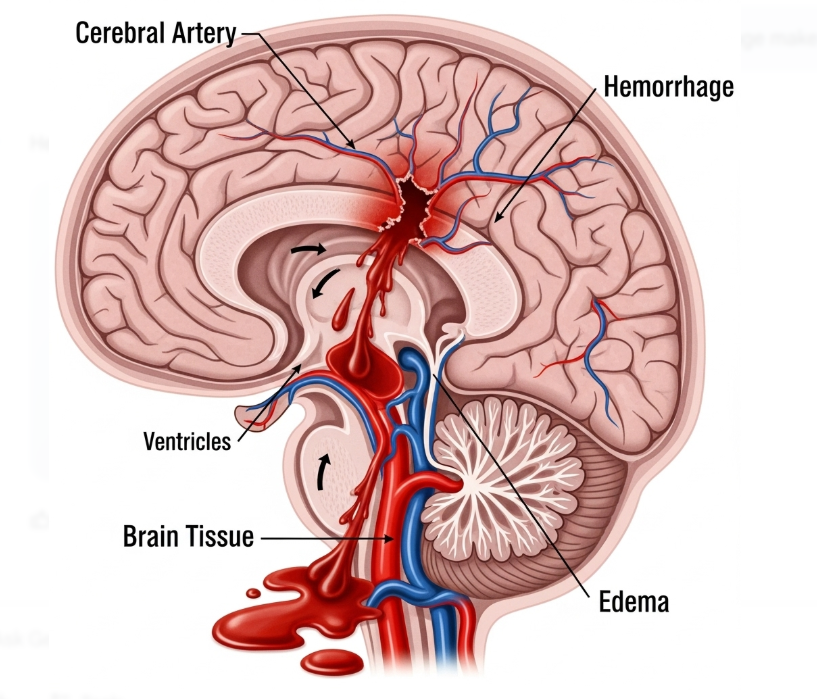
Overview Cerebral hemorrhage, also known as intracerebral hemorrhage, is a type of stroke caused by bleeding within the brain tissue. It can result in brain damage, neurological deficits, and life-threatening complications. In Korea, modern neurology and neurosurgery centers offer rapid diagnosis, advanced imaging, and comprehensive treatment to manage cerebral hemorrhage effectively. Symptoms Causes Risk Factors […]
Carotid Artery Disease in Korea
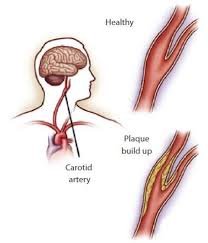
Overview Carotid Artery Disease occurs when the carotid arteries, the major blood vessels supplying the brain, become narrowed or blocked due to atherosclerosis. This increases the risk of stroke or transient ischemic attacks (TIAs). In Korea, advanced cardiology and vascular surgery centers provide early detection, imaging, and both medical and surgical treatments to prevent complications. […]
Cat bites in Korea

Overview Cat bites are puncture wounds or scratches caused by a cat’s teeth or claws. While often minor, cat bites can lead to serious infections due to bacteria in the cat’s mouth, including Pasteurella multocida. In Korea, medical facilities provide prompt wound care, infection prevention, and treatment to minimize complications. Symptoms Causes Risk Factors Diagnosis […]
Cancer in Korea

Overview Cancer is a group of diseases characterized by uncontrolled growth and spread of abnormal cells. In South Korea, cancer is a leading cause of mortality, but advancements in early detection, treatment, and research have significantly improved survival rates. Various types of cancer affect different organs, and personalized treatment plans are available in Korean healthcare […]
Cancer of the uterus in Korea

Overview Uterine cancer, also known as endometrial cancer, is a type of cancer that begins in the lining of the uterus (endometrium). It is one of the most common gynecologic cancers. Early detection significantly improves outcomes, and South Korea provides advanced diagnostic and treatment options for women with uterine cancer. What is Cancer of the […]
Cancer types in Korea

Overview Cancer is a group of diseases characterized by uncontrolled growth and spread of abnormal cells. If not treated, cancer can invade nearby tissues and metastasize to distant organs. South Korea offers advanced cancer detection, treatment, and research facilities, making it a leading destination for comprehensive oncology care. What is Cancer? Cancer occurs when cells […]
Carbon Monoxide Poisoning in Korea
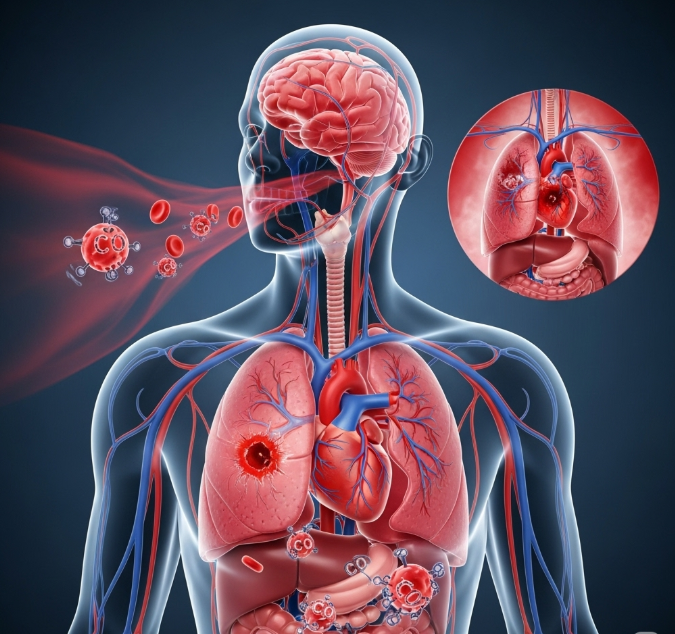
Overview Carbon monoxide (CO) poisoning is a serious and potentially life-threatening condition caused by inhaling carbon monoxide gas, a colorless, odorless, and tasteless substance. CO interferes with the blood’s ability to carry oxygen, leading to tissue damage and even death. In Korea, CO poisoning has historically been a public health issue due to traditional heating […]
Cardiac Failure in Korea

Overview Cardiac failure—commonly called heart failure (HF)—is a chronic condition in which the heart cannot pump enough blood to meet the body’s needs. It can develop suddenly (acute) or progress over time (chronic). With Korea’s aging population and high rates of hypertension, diabetes, and coronary disease, HF is a major health issue. Korean tertiary hospitals […]
CADASIL in Korea
Overview CADASIL (Cerebral Autosomal Dominant Arteriopathy with Subcortical Infarcts and Leukoencephalopathy) is a rare inherited small-vessel disease of the brain. It causes recurrent migraines (often with aura), mini-strokes (TIAs), ischemic strokes, cognitive decline, and mood changes. Onset typically occurs in adulthood (30s–50s). In Korea, tertiary hospitals provide advanced MRI, genetic testing, and multidisciplinary long-term care […]
Chronic Obstructive Pulmonary Disease (COPD) in Korea

Overview Chronic Obstructive Pulmonary Disease (COPD) is a long-term, progressive lung condition that causes breathing difficulties due to airway obstruction. It primarily includes chronic bronchitis and emphysema. In Korea, COPD is a growing public health issue, often linked to smoking, air pollution, and aging populations. With advancements in medical technology and specialized respiratory care, Korea […]