
Facial injury in Korea

Overview Facial injuries include trauma to the bones, skin, muscles, or soft tissues of the face. These injuries may result from accidents, sports, falls, assaults, or workplace hazards. They can range from minor cuts and bruises to severe fractures involving the jaw, nose, or orbital bones. In Korea, facial injuries are treated with advanced plastic […]
Dysentery in Korea
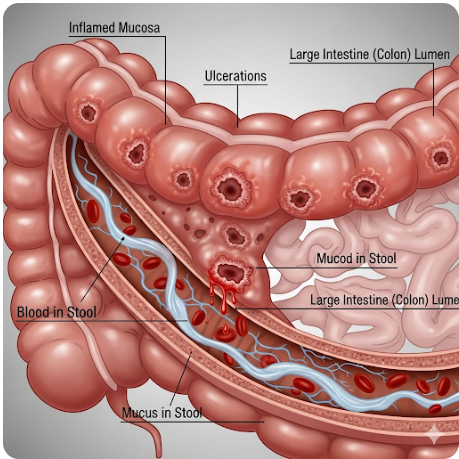
Overview Dysentery is an infectious disease that causes severe diarrhea with blood and mucus, typically resulting from bacterial or amoebic infections. In South Korea, improved sanitation has reduced its prevalence, but cases still occur, particularly among travelers and in outbreak situations. Prompt diagnosis and treatment are crucial to prevent complications such as dehydration. What is […]
Drug Overdose in Korea
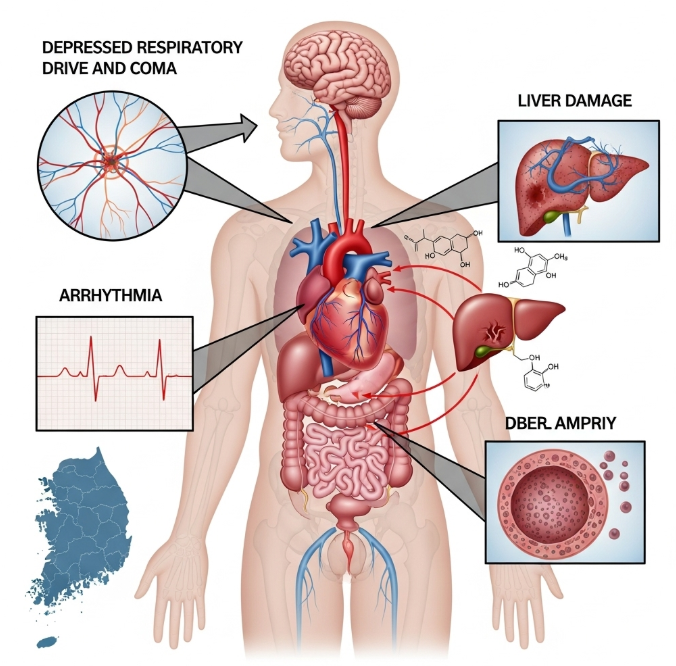
Overview A drug overdose occurs when a person takes a higher dose of medication, prescription drugs, over-the-counter medicine, or illicit substances than the body can safely handle. Overdose can be accidental (due to medication misuse, confusion, or interactions) or intentional (linked to self-harm or substance abuse). In Korea, drug overdose is a growing public health […]
Drug Allergy in Korea

Overview Drug allergy is a type of adverse drug reaction that involves the immune system mistakenly identifying a medication as a harmful substance. Unlike common side effects or intolerance (which may cause nausea, stomach upset, or fatigue), drug allergies trigger an immune response, often involving antibodies such as IgE or T-cells. In Korea, the increasing […]
Dog bites in Korea

Overview Dog bites are a common type of animal injury that can cause physical trauma and risk of infection, including rabies. In Korea, hospitals and clinics provide wound care, vaccination, and follow-up treatment to prevent complications. What are Dog Bites? A dog bite occurs when a dog bites or scratches a person, potentially breaking the […]
Dislocation in Korea
Overview A dislocation occurs when a bone is forced out of its normal position in a joint, causing pain, swelling, and impaired movement. In Korea, orthopedic specialists and emergency care units provide rapid assessment, reduction, and rehabilitation to ensure proper healing and prevent complications. What is a Dislocation? Dislocation is a musculoskeletal injury where the […]
Digestive Disorders in Korea

Overview Digestive disorders encompass a wide range of conditions affecting the stomach, intestines, liver, gallbladder, and pancreas. They can range from mild discomfort, such as indigestion, to severe diseases like inflammatory bowel disease or liver cirrhosis. In Korea, the combination of advanced gastroenterology centers, endoscopic technologies, and comprehensive treatment programs ensures effective diagnosis and management […]
Diarrhoea/Diarrhea in Korea

Overview DiGeorge Syndrome, also known as 22q11.2 deletion syndrome, is a rare genetic disorder caused by a small missing piece of chromosome 22. This condition affects multiple systems in the body, including the heart, immune system, endocrine system, and facial development. In Korea, advances in genetic testing, pediatric cardiology, and immune therapies have significantly improved […]
Diabetes Insipidus in Korea

Overview Diabetes insipidus (DI) is a rare disorder affecting water balance in the body, leading to excessive thirst and urine output. In Korea, DI is managed by endocrinologists in specialized hospitals, with a focus on diagnosis, hormone replacement, and lifestyle management. What is Diabetes Insipidus? Diabetes insipidus occurs when the body cannot properly regulate fluid […]
Diabetes (type 2) in Korea

Overview Type 2 diabetes is a chronic metabolic disorder characterized by insulin resistance and impaired insulin secretion. In Korea, its prevalence has increased due to urbanization, dietary changes, and sedentary lifestyles, making early detection and management critical to prevent complications. What is Diabetes (Type 2)? Type 2 diabetes occurs when the body cannot effectively use […]