
Egg allergy in korea

Overview Egg allergy is one of the most common food allergies, particularly in children, though it can also affect adults. It occurs when the body’s immune system reacts abnormally to proteins found in egg whites or egg yolks. While many children may outgrow the allergy, some continue to have it throughout adulthood. In Korea, awareness […]
Ear infection in korea

Overview Ear infections are one of the most common health conditions affecting both children and adults. They occur when bacteria, viruses, or fungi infect the ear, leading to inflammation, pain, and sometimes hearing problems. Ear infections are more frequent in children due to their smaller and less developed ear structures, but adults can also suffer […]
Fungal nail infection in Korea
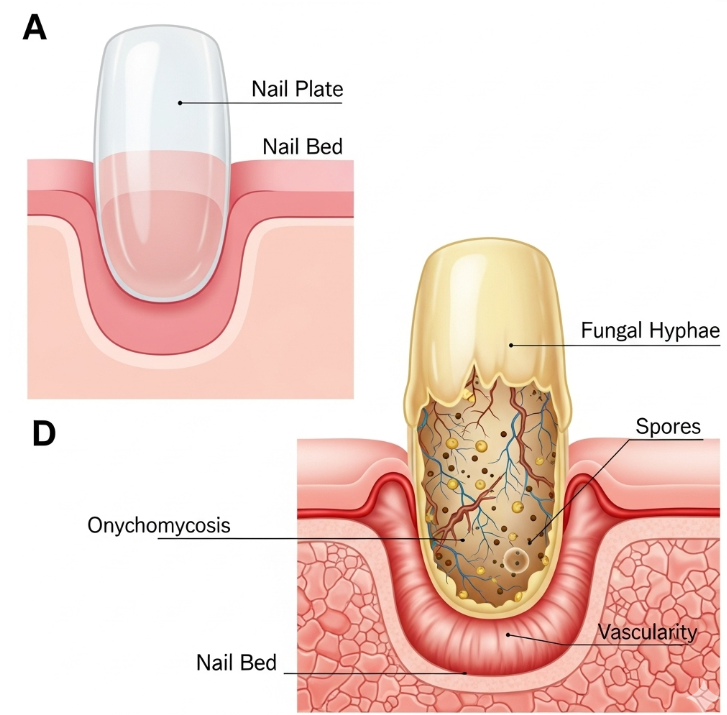
Overview Fungal nail infection, medically called onychomycosis, is a common condition that affects the nails of the hands and feet, leading to thickened, discolored, and brittle nails. The infection is primarily caused by dermatophytes, but yeasts and non-dermatophyte molds can also be responsible. In Korea, fungal nail infections are increasingly recognized due to lifestyle factors […]
Fungal infections in Korea

Overview Fungal infections are caused by fungi invading the skin, nails, hair, or internal organs. In Korea, these infections are common due to humid summers, crowded living conditions, and frequent use of communal spaces like gyms and public baths. While many fungal infections are mild and treatable, systemic infections can occur in people with weakened […]
Fractures in Korea

Overview A fracture refers to a break or crack in a bone, often caused by trauma, accidents, falls, or underlying medical conditions such as osteoporosis. Fractures range from minor cracks to severe breaks that penetrate through the skin. They are one of the most common orthopedic emergencies worldwide. In Korea, orthopedic medicine is highly advanced, […]
Food poisoning in Korea

Overview Food poisoning, also known as foodborne illness, occurs when contaminated food or beverages containing harmful bacteria, viruses, parasites, or toxins are consumed. It leads to a variety of gastrointestinal and systemic symptoms. In Korea, food poisoning cases often spike during summer months due to high humidity and temperature, which allow bacteria to multiply rapidly. […]
Food allergies in Korea

Overview Food allergies are immune system reactions to certain foods that the body mistakenly identifies as harmful. Symptoms can range from mild itching or hives to severe anaphylaxis, which can be life-threatening. In Korea, awareness of food allergies has increased, and medical facilities provide diagnosis, treatment, and management plans for patients, including children and adults. […]
Flu (Influenza) in Korea

Overview Influenza, commonly known as the flu, is an acute viral infection that affects the respiratory system, including the nose, throat, and lungs. It is highly contagious and can cause seasonal outbreaks, particularly in winter. In Korea, influenza is closely monitored by the Korea Disease Control and Prevention Agency (KDCA), and vaccination campaigns are widely […]
Fever in Korea

Overview Fever, also known as pyrexia, is a temporary rise in body temperature, often in response to an infection, inflammation, or other underlying medical condition. It is one of the most common reasons for seeking medical care. In Korea, fever is managed with a combination of modern diagnostic tools, advanced hospital facilities, and accessible clinics, […]
Fatty liver in Korea
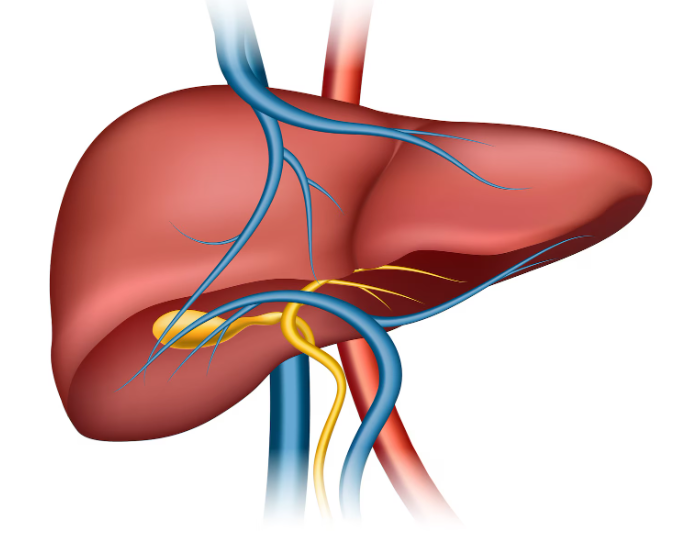
Overview Fatty liver disease, also known as hepatic steatosis, is a condition where excess fat accumulates in liver cells. It is increasingly common in Korea due to dietary habits, obesity, and metabolic syndrome. Early detection and lifestyle modifications are key to preventing progression to non-alcoholic steatohepatitis (NASH), cirrhosis, or liver cancer. What is Fatty Liver? […]