
Diabetes (type 1) in Korea

Overview Type 1 diabetes is a chronic autoimmune condition in which the pancreas produces little or no insulin. In Korea, it affects a smaller proportion of the population compared to Type 2, but early diagnosis and insulin therapy are crucial to prevent complications. Specialized pediatric and adult endocrinology centers provide comprehensive management. What is Diabetes […]
Depression (melancholic) in Korea

Overview Melancholic depression is a subtype of major depressive disorder characterized by profound sadness, loss of pleasure in almost all activities, and physical symptoms such as slowed movements or weight loss. In Korea, melancholic depression is recognized as a biologically influenced form of depression, requiring structured medical and psychological treatment in psychiatric hospitals and community […]
Dental Trauma in Korea

Overview Dental trauma refers to injuries affecting the teeth, gums, or surrounding oral structures due to accidents, sports, or falls. In Korea, dental trauma is a common emergency treated at specialized dental hospitals and emergency departments, including Seoul National University Dental Hospital, Asan Medical Center Dental Clinic, and Samsung Medical Center Dental Department. Prompt care […]
Dengue Fever in Korea

Overview Dengue fever is a mosquito-borne viral infection caused by the dengue virus. While Korea is not a primary endemic region, imported cases occur among travelers returning from tropical and subtropical countries. Hospitals like Seoul National University Hospital, Asan Medical Center, and Samsung Medical Center are equipped to diagnose and manage dengue fever promptly to […]
Dehydration in Korea

Overview Dehydration occurs when the body loses more fluids than it takes in, disrupting normal bodily functions. It can range from mild to severe and can affect anyone, especially the elderly, infants, and individuals engaging in strenuous activity. In Korea, dehydration is commonly treated in emergency departments and internal medicine clinics at hospitals such as […]
Deficiency (vitamin A) in Korea

Overview Vitamin A deficiency is a nutritional disorder resulting from inadequate intake or absorption of vitamin A, which is essential for vision, immune function, and skin health. While severe deficiency is rare in Korea due to a generally balanced diet, mild deficiencies can still occur, particularly among children, pregnant women, and individuals with malabsorption disorders. […]
Mumps in Korea

Overview Mumps is a contagious viral infection caused by the mumps virus, primarily affecting the salivary glands, especially the parotid glands near the jaw. In Korea, routine vaccination programs, including the MMR (measles, mumps, rubella) vaccine, have significantly reduced the incidence of mumps, but outbreaks still occur, particularly in schools and crowded settings. Early detection […]
Milk Allergy in Korea

Overview Milk allergy is one of the most common food allergies in children, although it can also persist into adulthood. It occurs when the body’s immune system reacts abnormally to proteins found in cow’s milk. In South Korea, where dairy consumption has increased over the past decades, awareness of milk allergy is growing. Pediatricians and […]
Mallory-Weiss Tear in Korea
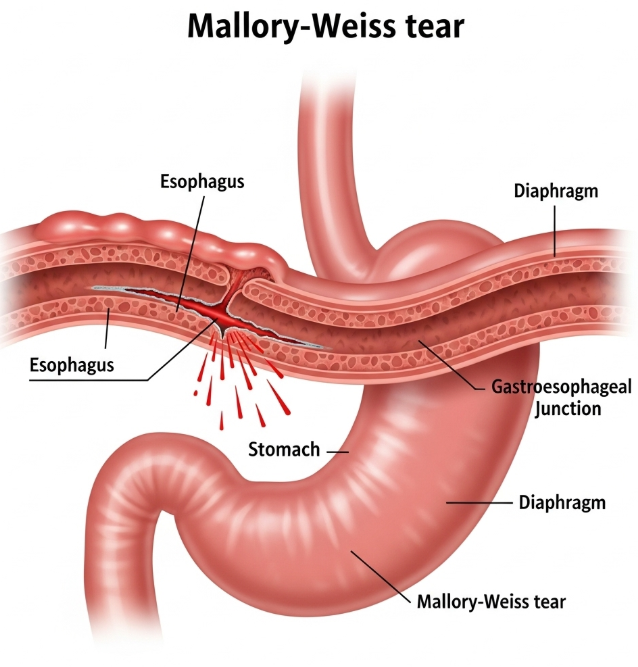
Overview A Mallory-Weiss tear is a tear in the mucous membrane at the junction of the stomach and esophagus, usually caused by severe vomiting or retching. In Korea, gastroenterologists diagnose and treat this condition promptly to prevent significant bleeding and complications. What is Mallory-Weiss Tear? A Mallory-Weiss tear occurs when forceful vomiting or retching leads […]
Magnesium Deficiency in Korea

Overview Magnesium deficiency occurs when the body lacks sufficient magnesium, a vital mineral essential for muscle, nerve, and bone function. In Korea, dietary deficiencies, certain medical conditions, and lifestyle factors contribute to magnesium insufficiency, and healthcare providers address this through nutrition and supplementation. What is Magnesium Deficiency? Magnesium deficiency, also called hypomagnesemia, is a condition […]