
Chagas Disease in Korea

Overview Chagas disease, also known as American trypanosomiasis, is a parasitic infection caused by Trypanosoma cruzi. It primarily affects the heart and digestive system over time. While Chagas disease is rare in Korea, awareness, early diagnosis, and management are essential for travelers or immigrants from endemic areas. Korean hospitals provide diagnostic testing and specialized care […]
Cervicitis in Korea

Overview Cervicitis is the inflammation of the cervix, often caused by infections, irritants, or underlying medical conditions. It can lead to vaginal discharge, bleeding, and discomfort. In Korea, gynecology specialists provide accurate diagnosis, treatment of infections, and preventive care to manage cervicitis effectively. Symptoms Causes Risk Factors Diagnosis In Korea, cervicitis is diagnosed using: Prevention […]
Cervical Dystonia in Korea

Overview Cervical dystonia, also known as spasmodic torticollis, is a neurological disorder characterized by involuntary muscle contractions in the neck, causing abnormal head movements and postures. It can lead to pain, stiffness, and functional limitations. In Korea, specialized neurology and movement disorder centers provide advanced diagnostic evaluation and treatment options, including botulinum toxin therapy and […]
Cervical Radiculopathy in Korea

Overview Cervical radiculopathy is a condition caused by compression or irritation of a nerve root in the cervical spine, leading to pain, numbness, or weakness radiating from the neck into the shoulder, arm, or hand. In Korea, advanced diagnostic imaging and orthopedic/neurosurgical care enable accurate diagnosis and effective treatment to relieve symptoms and restore function. […]
Cervical Spondylosis in Korea

Overview Cervical spondylosis, also known as neck osteoarthritis, is the age-related degeneration of the cervical spine, including discs, vertebrae, and joints. It can lead to neck pain, stiffness, and in severe cases, nerve compression causing neurological symptoms. In Korea, advanced orthopedic and neurology centers provide precise diagnosis, pain management, and surgical options to improve quality […]
Cerebral stroke in Korea

Overview Cerebral stroke, commonly referred to as a stroke, occurs when blood flow to the brain is interrupted, either due to a blocked artery (ischemic stroke) or bleeding (hemorrhagic stroke). Strokes can lead to brain damage, disability, or death if not treated promptly. In Korea, advanced neurology and stroke centers provide rapid diagnosis, state-of-the-art treatments, […]
Cerebral Hemorrhage in Korea
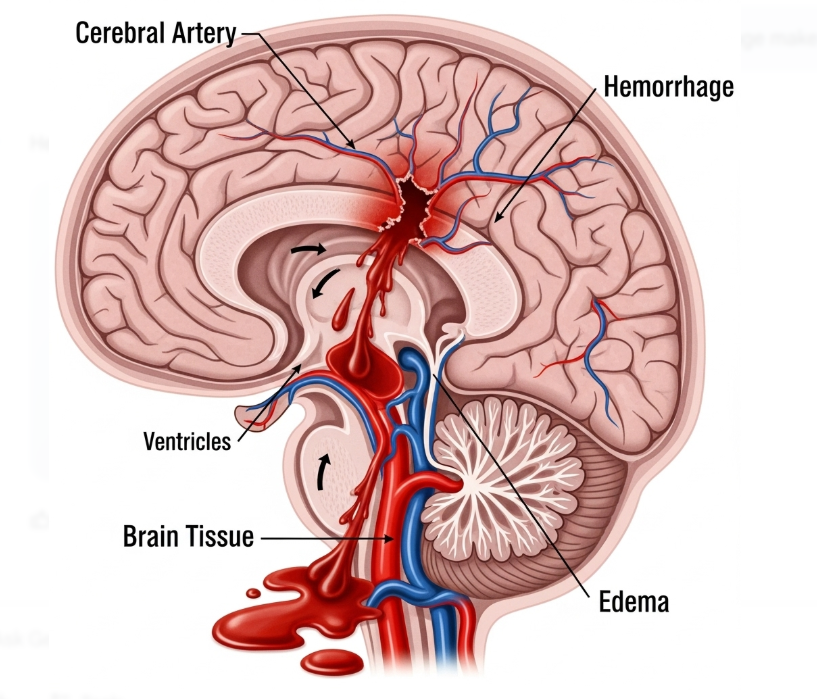
Overview Cerebral hemorrhage, also known as intracerebral hemorrhage, is a type of stroke caused by bleeding within the brain tissue. It can result in brain damage, neurological deficits, and life-threatening complications. In Korea, modern neurology and neurosurgery centers offer rapid diagnosis, advanced imaging, and comprehensive treatment to manage cerebral hemorrhage effectively. Symptoms Causes Risk Factors […]
Cataracts in Korea

Overview Cataracts are one of the most common eye conditions, especially in older adults. A cataract occurs when the normally clear lens of the eye becomes cloudy, leading to blurry or dim vision. It is a leading cause of vision impairment and blindness worldwide, but it is treatable with surgery. In Korea, cataract diagnosis and […]
Cavernous Hemangioma in Korea

Overview Cavernous hemangioma, also called cavernous malformation or cavernoma, is a cluster of abnormal, dilated blood vessels that can occur in the brain, spinal cord, or other organs such as the liver and eyes. These lesions may remain asymptomatic for years, but they can also cause neurological symptoms, seizures, or hemorrhage if located in the […]
Cavernous Sinus Thrombosis in Korea
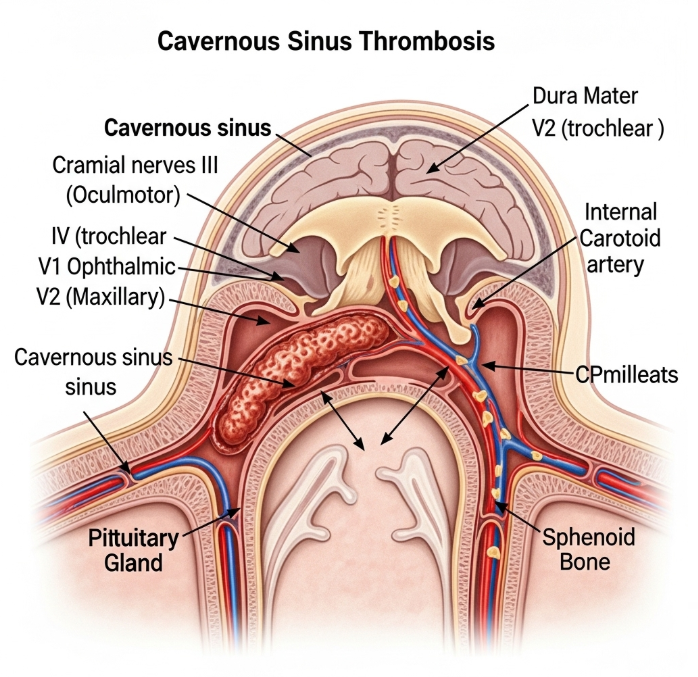
Overview Cavernous sinus thrombosis (CST) is a rare but life-threatening condition caused by the formation of a blood clot in the cavernous sinus, a large vein located at the base of the brain behind the eyes. It is usually a complication of infections in the face, nose, or sinuses that spread to the venous system. […]