
Chemical Pneumonitis in Korea
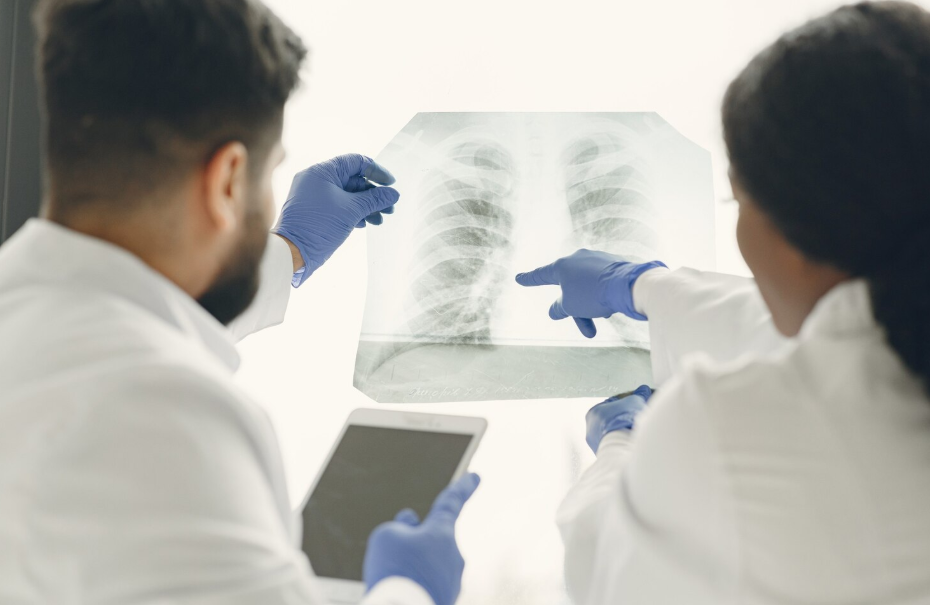
Overview Chemical pneumonitis is a serious lung condition caused by inhalation or aspiration of chemical substances, such as industrial fumes, toxic gases, pesticides, cleaning agents, or gastric acid. It can lead to lung inflammation, breathing difficulties, and long-term respiratory problems if not treated promptly. In Korea, where industrial exposure and urban pollution are concerns, timely […]
Chemical Burn in Korea

Overview A chemical burn occurs when skin, eyes, or internal tissues are damaged by contact with corrosive or irritant substances such as acids, alkalis, solvents, or oxidizers. Severity ranges from mild irritation to deep tissue injury and systemic toxicity. In Korea, emergency departments and dedicated burn centers provide rapid decontamination, wound care, pain control, and […]
Cervical Cancer in Korea
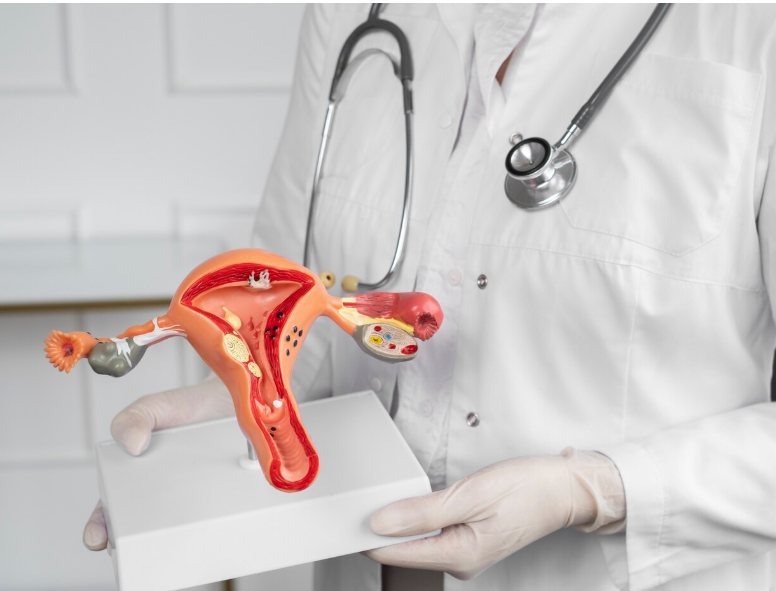
Overview Cervical cancer is a malignant tumor originating from the cells of the cervix, often associated with persistent infection by high-risk human papillomavirus (HPV). Early detection significantly improves prognosis. In Korea, specialized gynecologic oncology centers provide screening, vaccination, surgical, and advanced treatment options for cervical cancer patients. Symptoms Causes Risk Factors Diagnosis In Korea, cervical […]
Cerebrovascular Disease in Korea
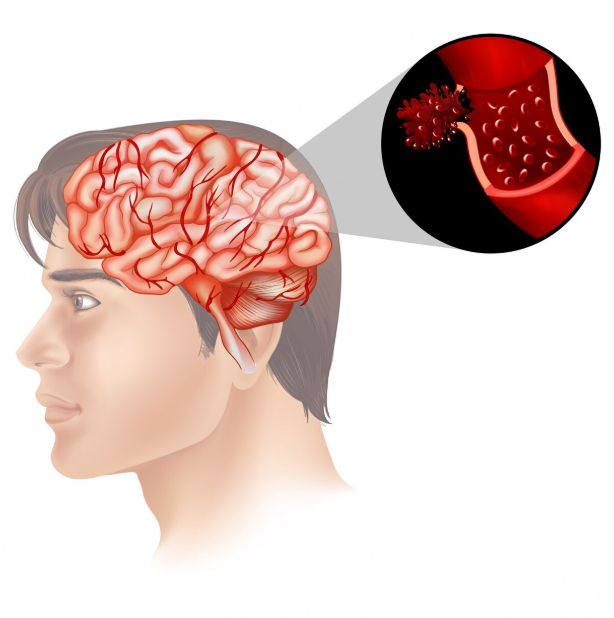
Overview Cerebrovascular disease refers to a group of conditions that affect the blood vessels and blood flow in the brain, leading to events such as stroke, transient ischemic attacks (TIAs), and aneurysms. In Korea, advanced neurology and stroke centers provide rapid diagnosis, specialized treatment, and rehabilitation services, significantly improving patient outcomes. Symptoms Causes Risk Factors […]
Gilbert’s syndrome in Korea
Overview Gilbert’s syndrome is a common, mild liver condition in which the liver does not properly process bilirubin, leading to intermittent jaundice (yellowing of the skin and eyes). It is generally harmless and does not require treatment. In Korea, hepatology specialists provide diagnosis, reassurance, and monitoring when necessary. Symptoms Causes Risk Factors Diagnosis In Korea, […]
Charles Bonnet syndrome in Korea

Overview Charles Bonnet Syndrome (CBS) is a neurological condition characterized by visual hallucinations in people with significant vision loss, usually due to eye diseases such as macular degeneration. Individuals with CBS are typically aware that the hallucinations are not real. In Korea, ophthalmology and neurology centers provide diagnosis, management, and counseling to help patients cope […]
Cheilitis in Korea

Overview Cheilitis is the inflammation of the lips, which can cause redness, cracking, swelling, and discomfort. It may result from environmental factors, infections, allergies, or underlying medical conditions. In Korea, dermatology and oral medicine specialists provide accurate diagnosis and a range of treatment options to relieve symptoms and prevent recurrence. Symptoms Causes Risk Factors Diagnosis […]
Charcot-Marie-Tooth Disease in Korea
Overview Charcot-Marie-Tooth (CMT) disease is a hereditary neurological disorder that affects peripheral nerves, leading to muscle weakness, atrophy, and sensory loss, primarily in the feet, legs, hands, and arms. In Korea, specialized neurology and rehabilitation centers provide genetic testing, diagnostic evaluation, and multidisciplinary care for patients with CMT. Symptoms Causes Risk Factors Diagnosis In Korea, […]
Chancre in Korea

Overview A chancre is a painless ulcer that typically appears as the first sign of primary syphilis, a sexually transmitted infection caused by Treponema pallidum. Early recognition and treatment are essential to prevent disease progression. In Korea, sexual health clinics and hospitals provide prompt diagnosis, antibiotic therapy, and counseling for syphilis and its complications. Symptoms […]
Chalazion in Korea
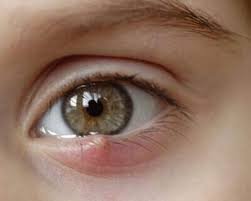
Overview A chalazion is a small, painless lump or swelling on the eyelid caused by a blocked meibomian (oil) gland. While it is usually benign, it can cause discomfort, cosmetic concerns, or visual disturbance if large. In Korea, ophthalmology clinics provide effective diagnosis and treatment, including non-surgical and surgical options. Symptoms Causes Risk Factors Diagnosis […]