
Celiac Disease in Korea

Overview Celiac disease is a chronic autoimmune disorder where the ingestion of gluten (a protein found in wheat, barley, and rye) triggers an immune response that damages the small intestine. This condition can lead to malabsorption of nutrients, digestive problems, and long-term complications if untreated. In Korea, although less common compared to Western countries, awareness […]
Cellulitis in Korea

Overview Cellulitis is a common bacterial skin infection that affects the deeper layers of the skin and subcutaneous tissue. It usually presents with redness, swelling, warmth, and pain in the affected area. If left untreated, cellulitis can spread rapidly and cause serious complications. In Korea, patients benefit from early diagnosis, advanced antibiotic therapies, and specialized […]
Central Cord Syndrome in Korea

Overview Central Cord Syndrome (CCS) is the most common type of incomplete spinal cord injury, typically caused by trauma that compresses or damages the spinal cord in the cervical (neck) region. It often leads to more severe weakness in the arms than in the legs, along with varying degrees of sensory loss and bladder dysfunction. […]
Central Pain Syndrome in Korea

Overview Central Pain Syndrome (CPS) is a chronic neurological condition caused by damage to the central nervous system (CNS), including the brain, brainstem, or spinal cord. It results in persistent, severe pain that may affect a specific area or the entire body. In Korea, specialized neurology and pain management centers provide advanced diagnostic and therapeutic […]
Central Serous Retinopathy in Korea
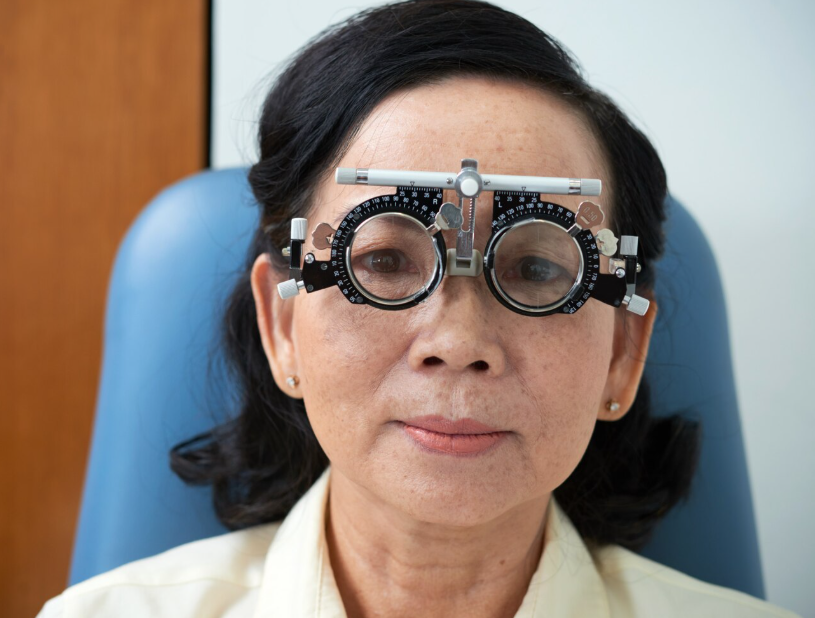
Overview Central Serous Retinopathy (CSR), also known as Central Serous Chorioretinopathy (CSC), is an eye condition in which fluid builds up under the retina, causing visual disturbances. It often affects the macula (the central part of the retina), leading to blurred or distorted vision. In Korea, advanced ophthalmology centers provide state-of-the-art diagnostics and effective treatments, […]
Cerebral Aneurysm in Korea
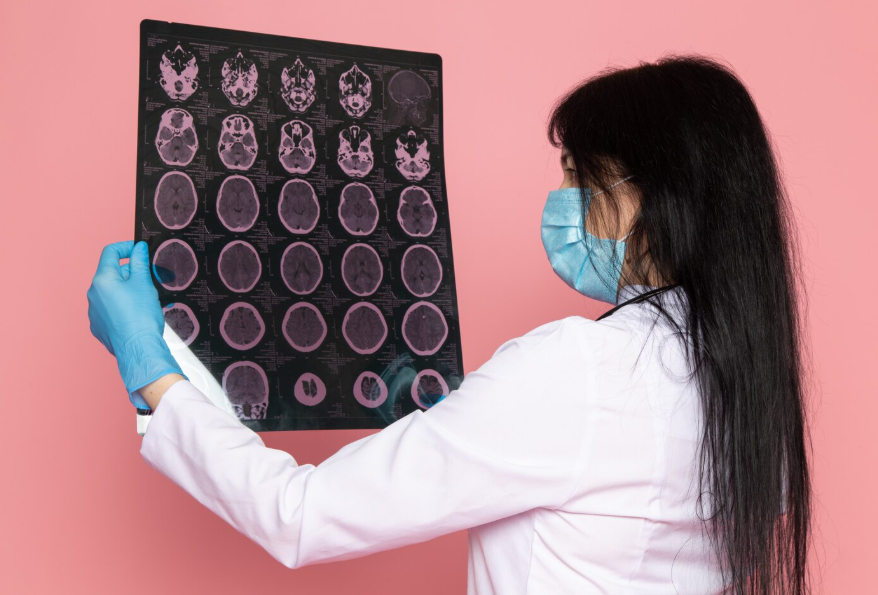
Overview A cerebral aneurysm, also called a brain aneurysm, is a weakened or bulging area in the wall of a brain artery. It can remain asymptomatic, but if it ruptures, it may cause a life-threatening type of stroke called a subarachnoid hemorrhage. In Korea, advanced diagnostic imaging and minimally invasive neurosurgical techniques make early detection […]
Cerebral Palsy in Korea

Overview Cerebral palsy (CP) is a group of neurological disorders that affect movement, muscle tone, and posture. It is caused by abnormal brain development or damage to the developing brain, usually before birth or during early childhood. In Korea, treatment for cerebral palsy focuses on improving quality of life through rehabilitation, therapy, and advanced medical […]
Carotid Artery Disease in Korea

Overview Carotid Artery Disease occurs when the carotid arteries, the major blood vessels supplying the brain, become narrowed or blocked due to atherosclerosis. This increases the risk of stroke or transient ischemic attacks (TIAs). In Korea, advanced cardiology and vascular surgery centers provide early detection, imaging, and both medical and surgical treatments to prevent complications. […]
Carpal tunnel syndrome in Korea

Overview Carpal Tunnel Syndrome (CTS) is a condition caused by compression of the median nerve as it passes through the carpal tunnel in the wrist. It leads to pain, numbness, and weakness in the hand and fingers. In Korea, advanced orthopedic and neurology centers provide diagnostic testing, conservative management, and surgical treatment to relieve symptoms […]
Carrion’s Disease in Korea

Overview Carrion’s Disease, also known as Oroya fever and Verruga Peruana, is a bacterial infection caused by Bartonella bacilliformis. It typically affects red blood cells and the skin, leading to severe febrile illness or chronic skin lesions. While extremely rare in Korea, medical centers are equipped to diagnose and manage imported or travel-related cases with […]