
Chilblains in Korea
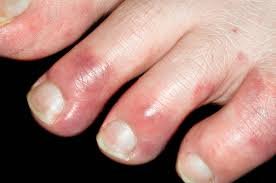
Overview Chilblains, also known as pernio, are painful, itchy inflammations of small blood vessels in the skin caused by repeated exposure to cold but non-freezing temperatures. While generally mild, they can be uncomfortable and may occasionally lead to skin ulceration or infection. In Korea, especially during cold winter months, awareness, preventive measures, and modern dermatological […]
Chikungunya Virus Infection in Korea

Overview Chikungunya virus infection is a mosquito-borne viral disease that causes fever, joint pain, and rash. While it is more common in tropical and subtropical regions, imported cases can occur in Korea due to international travel. Korea has advanced diagnostic and infectious disease care facilities to promptly manage and prevent complications from chikungunya infection. What […]
Chickenpox in Korea

Overview Chickenpox, also known as varicella, is a highly contagious viral infection caused by the varicella-zoster virus. It primarily affects children but can also occur in adults, sometimes causing more severe complications. In Korea, widespread vaccination programs have significantly reduced the incidence, and modern pediatric care ensures effective treatment and prevention of complications. What is […]
Chiari Malformation in Korea
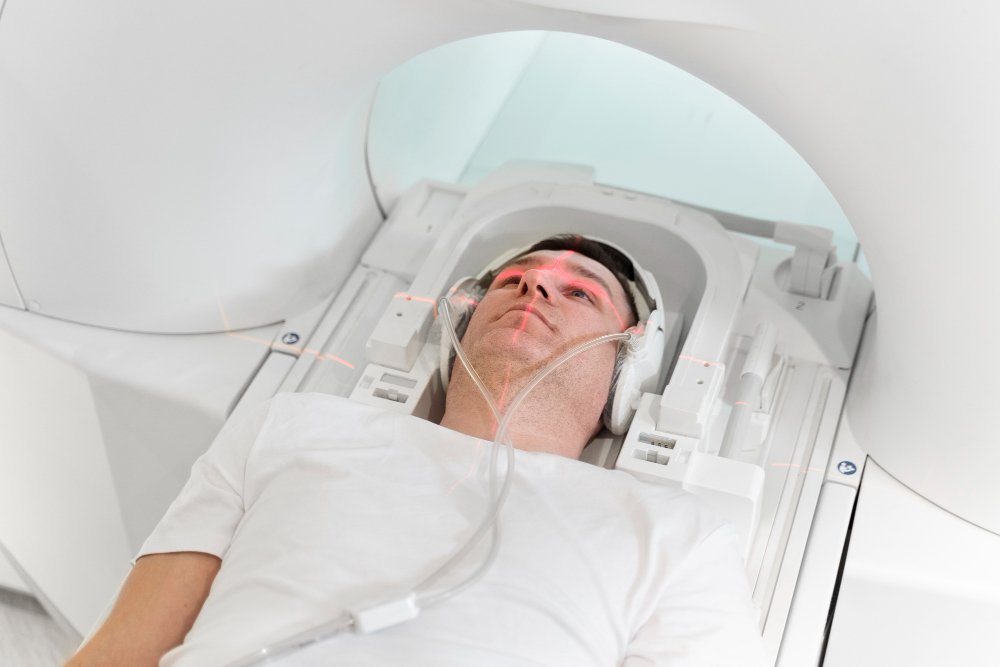
Overview Chiari Malformation is a rare structural defect in which brain tissue extends into the spinal canal, often due to abnormalities in the skull. It can lead to headaches, balance issues, numbness, and neurological complications. In Korea, advanced neurosurgical techniques, high-resolution imaging, and multidisciplinary care provide excellent treatment outcomes for patients with Chiari Malformation. What […]
Chest injuries in Korea

Overview Chest injuries refer to trauma affecting the chest wall, lungs, heart, or major blood vessels. These injuries can range from minor bruises and rib fractures to life-threatening conditions like pneumothorax (collapsed lung) or cardiac tamponade. In Korea, chest injuries are managed with state-of-the-art trauma care units, advanced imaging, and minimally invasive surgical interventions, ensuring […]
Chest infection in Korea

Overview A chest infection refers to an infection of the lungs or large airways, ranging from mild (like bronchitis) to severe (such as pneumonia). It can be caused by viruses, bacteria, or fungi, and symptoms vary depending on the severity of the infection. In Korea, chest infections are commonly treated with modern diagnostic methods, appropriate […]
Chest Wall Tumor in Korea
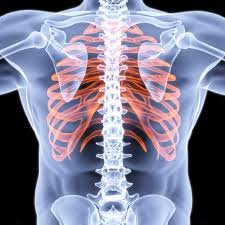
Overview Chest wall tumors are abnormal growths that develop in the bones, cartilage, muscles, or soft tissues of the chest wall. They can be benign (non-cancerous) or malignant (cancerous), and sometimes represent metastases from cancers in other organs such as the lungs or breasts. In Korea, chest wall tumors are diagnosed and treated using advanced […]
Chest Pain in Korea

Overview Chest pain is a common but potentially serious symptom that can result from a wide variety of conditions, ranging from minor muscle strain to life-threatening heart or lung diseases. In Korea, where advanced cardiology and emergency care systems are available, chest pain is treated as a critical warning sign that requires prompt medical evaluation […]
Chemicals (Inhaled) in Korea

Overview Inhaling chemicals can cause a range of health problems, from mild respiratory irritation to life-threatening lung injury. Depending on the type, concentration, and duration of exposure, inhaled chemicals can damage the airways, lungs, and other organs. In Korea, where industrial work, laboratory research, and urban pollution are common, medical facilities are well-prepared to handle […]
Childhood Absence Epilepsy in Korea

Overview Childhood Absence Epilepsy (CAE) is a type of epilepsy that typically begins in children between the ages of 4 and 10 years. It is characterized by frequent, brief episodes of staring or “absence seizures,” during which the child becomes unresponsive for a few seconds. In Korea, CAE is well-recognized, and advanced pediatric neurology services […]