
Choanal Atresia in Korea

Overview Choanal atresia is a rare congenital condition in which the back of the nasal passage (choana) is blocked, usually by bone or soft tissue. This obstruction prevents proper airflow through the nose and can cause breathing difficulties, especially in newborns who primarily breathe through their noses. In Korea, early detection and advanced surgical interventions […]
Chloasma in Korea

Overview Chloasma, also known as melasma, is a common skin condition characterized by dark, irregular patches on the face, especially on the cheeks, forehead, nose, and upper lip. It is more common in women and is often associated with hormonal changes, sun exposure, and genetics. In Korea, where skincare and dermatology are highly advanced, effective […]
Chloracne in Korea

Overview Chloracne is a rare but serious skin condition caused by exposure to halogenated aromatic hydrocarbons, particularly dioxins and polychlorinated biphenyls (PCBs). It resembles severe acne, presenting with blackheads, cysts, and pustules, most commonly on the face, behind the ears, and upper body. In Korea, where industrial safety and environmental health are closely monitored, chloracne […]
Chlamydia in Korea
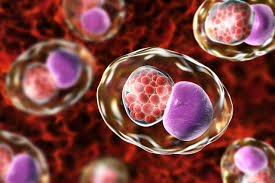
Overview Chlamydia is one of the most common sexually transmitted infections (STIs) worldwide, including in Korea. It is caused by the bacterium Chlamydia trachomatis and often spreads through unprotected sexual contact. Many people with chlamydia may not experience symptoms, which makes regular screening very important. If untreated, the infection can lead to serious complications such […]
Children and depression in Korea

Overview Children and depression is a growing mental health concern worldwide, including in Korea. Childhood depression goes beyond occasional sadness and affects a child’s daily functioning, relationships, and development. In Korea, where academic and social pressures are high, mental health awareness among children and adolescents is increasing, and specialized treatment programs are becoming more available. […]
Childhood Asthma in Korea
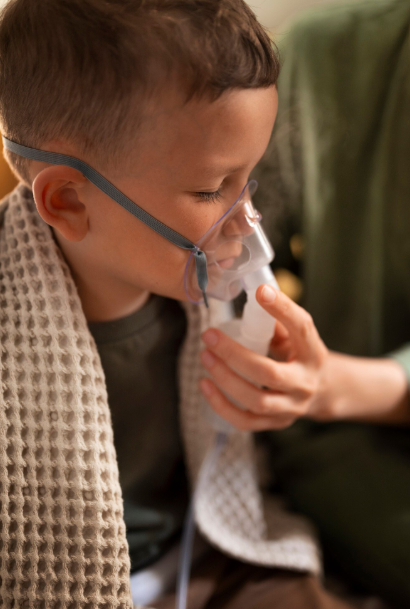
Overview Childhood asthma is a chronic respiratory condition characterized by airway inflammation, bronchial hyperreactivity, and reversible airflow obstruction. In Korea, it is one of the most common chronic diseases in children, with prevalence influenced by genetics, environmental factors, and urban living. Korean healthcare emphasizes early diagnosis, asthma management plans, and specialized pediatric care to minimize […]
Childhood Cancers in Korea

Overview Childhood cancers are a group of malignant diseases that occur in children and adolescents, affecting various tissues and organs. In Korea, advances in pediatric oncology, early diagnosis, and targeted therapies have significantly improved survival rates. National healthcare programs also provide specialized support for families of children with cancer. What are Childhood Cancers? Childhood cancers […]
Childhood Disintegrative Disorder in Korea

Overview Childhood Disintegrative Disorder (CDD), also known as Heller’s syndrome, is a rare neurodevelopmental disorder characterized by late-onset developmental regression after at least two years of normal growth. Children with CDD lose previously acquired skills in language, social interaction, and motor abilities. In Korea, specialized pediatric neurology and developmental disorder centers provide early diagnosis, therapeutic […]
Childhood illnesses in Korea

Overview Childhood illnesses encompass a wide range of infectious and non-infectious diseases that affect children, from infancy through adolescence. In Korea, most childhood illnesses are preventable or treatable thanks to advanced healthcare systems, routine vaccination programs, and early detection measures. Awareness and timely care play a critical role in reducing complications and promoting healthy growth […]
Childhood obesity in Korea

Overview Childhood obesity is a medical condition where a child carries excess body fat that can negatively affect health. In Korea, rising rates of childhood obesity are a public health concern, associated with changes in diet, reduced physical activity, and sedentary lifestyles. Korean healthcare emphasizes early detection, lifestyle modification, and multidisciplinary management to prevent long-term […]