
Cryptorchidism in Korea

Overview Cryptorchidism, commonly known as undescended testicles, is a condition in which one or both testicles fail to move into the scrotum before birth. It is one of the most common congenital abnormalities in newborn boys. Early diagnosis and treatment are important to prevent complications such as infertility and increased risk of testicular cancer. South […]
Cryptosporidiosis in Korea

Overview Cryptosporidiosis is a parasitic infection caused by the protozoan Cryptosporidium. It primarily affects the intestines, leading to diarrhea and digestive issues. The infection can be particularly severe in immunocompromised individuals, such as those with HIV/AIDS or undergoing chemotherapy. South Korea offers advanced diagnostic testing and treatment options for effective management. What is Cryptosporidiosis? Cryptosporidiosis […]
Cubital Tunnel Syndrome in Korea
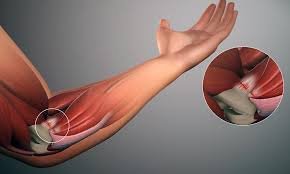
Overview Cubital Tunnel Syndrome is a neurological condition caused by compression or irritation of the ulnar nerve at the elbow. This nerve controls sensation and movement in parts of the hand and forearm. Left untreated, the condition can lead to weakness, numbness, and muscle wasting. South Korea provides advanced diagnostic tools and surgical options for […]
Cushing’s Disease in Korea

Overview Cushing’s Disease is a rare endocrine disorder caused by excess production of cortisol, usually due to a pituitary adenoma that secretes adrenocorticotropic hormone (ACTH). Elevated cortisol levels affect metabolism, immune function, and cardiovascular health. If untreated, it can lead to severe complications, including diabetes, hypertension, and osteoporosis. South Korea offers advanced endocrine care, imaging, […]
Cutaneous Leishmaniasis in Korea
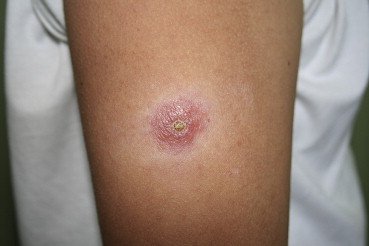
Overview Cutaneous Leishmaniasis is a skin infection caused by protozoan parasites of the genus Leishmania, transmitted through the bite of infected sandflies. It primarily affects the skin, causing sores, ulcers, or lesions, and while rarely life-threatening, it can result in scarring and social stigma. In Korea, cases are mostly imported from endemic regions such as […]
Cutaneous Lymphoma in Korea
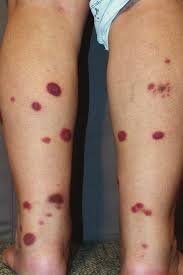
Overview Cutaneous Lymphoma is a rare type of cancer that originates in the lymphocytes of the skin. Unlike other lymphomas that start in lymph nodes, this cancer primarily affects the skin, presenting with patches, plaques, or tumors. Early detection and treatment are critical to prevent systemic spread. South Korea offers advanced dermatology and oncology services […]
Cutis Laxa in Korea
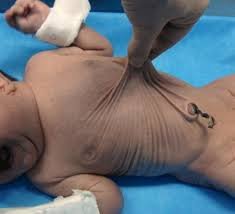
Overview Cutis Laxa is a rare connective tissue disorder characterized by loose, sagging, and inelastic skin. The condition can be congenital (present at birth) or acquired later in life. Beyond cosmetic concerns, Cutis Laxa may involve internal organs, including the lungs, heart, and blood vessels, leading to serious health complications. In South Korea, specialized dermatology […]
Cyanosis in Korea

Overview Cyanosis is a medical condition characterized by a bluish or purplish discoloration of the skin, lips, or nails due to low oxygen levels in the blood. It can indicate an underlying respiratory, cardiovascular, or hematological problem and requires prompt evaluation. In South Korea, advanced diagnostic facilities and emergency care ensure timely management of cyanosis […]
Cyclothymia in Korea

Overview Cyclothymia, also known as cyclothymic disorder, is a mild but chronic mood disorder characterized by fluctuating periods of hypomanic and depressive symptoms. Unlike bipolar disorder, these mood swings are less severe but can persist for years, affecting daily life, relationships, and productivity. Early recognition and treatment improve long-term outcomes. In South Korea, mental health […]
Crabs in Korea

Overview Crabs, medically known as pubic lice infestation (Pthiriasis pubis), are tiny parasitic insects that infest the coarse hair of the human genital area, although they can also appear on other hairy regions like the chest, armpits, and eyelashes. While not typically dangerous, crabs cause intense itching, discomfort, and embarrassment. In South Korea, healthcare services […]