
Cradle Cap in Korea
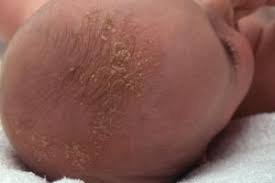
Overview Cradle cap, also known as infantile seborrheic dermatitis, is a common, harmless skin condition in babies that causes scaly, greasy patches on the scalp. It usually appears in the first few months of life and often clears up on its own within weeks to months. In Korea, pediatric dermatology clinics provide gentle treatment options […]
Craniofacial Abnormalities in Korea
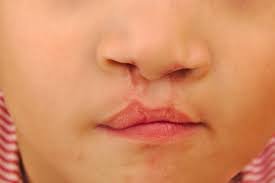
Overview Craniofacial abnormalities are a group of congenital conditions that affect the structure and appearance of the skull and face. These conditions can range from mild cosmetic differences to severe malformations impacting breathing, eating, speech, and brain development. In Korea, specialized craniofacial surgery teams and multidisciplinary clinics offer advanced diagnosis, surgical correction, and rehabilitation for […]
Craniopharyngioma in Korea
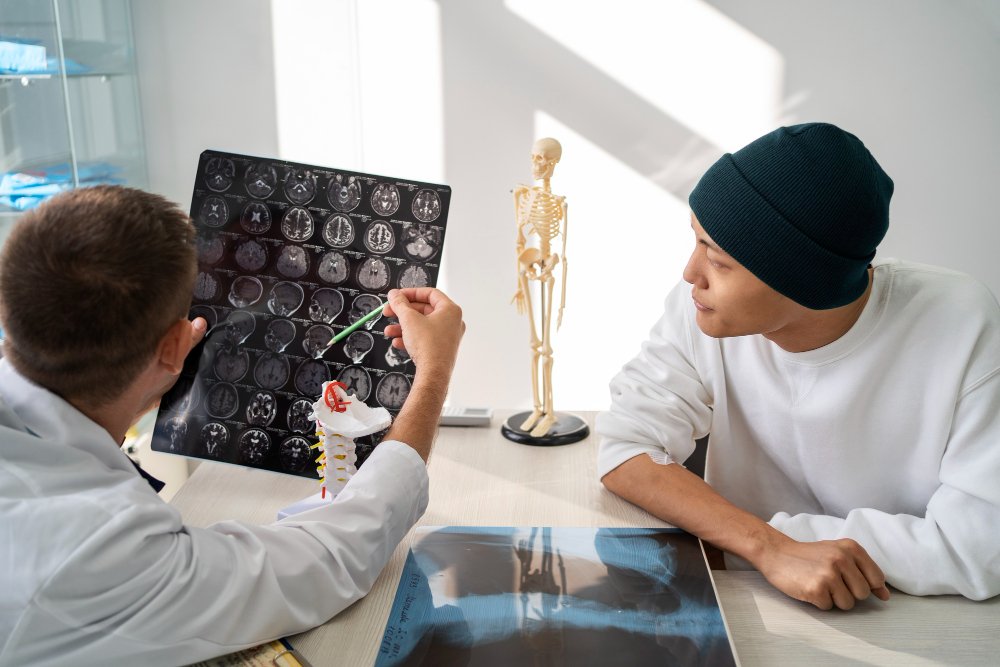
Overview Craniopharyngioma is a rare, benign (noncancerous) brain tumor that develops near the pituitary gland and hypothalamus. Although it is noncancerous, its location can cause significant hormonal, vision, and neurological problems. In Korea, advanced neurosurgical and endocrinology teams provide excellent diagnosis and treatment using modern techniques like endoscopic surgery and targeted radiation. What is Craniopharyngioma? […]
Craniosynostosis in Korea
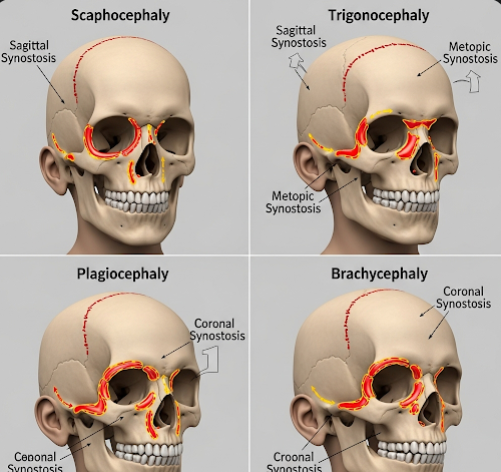
Overview Craniosynostosis is a congenital condition where one or more of the sutures in a baby’s skull close too early, leading to abnormal head shapes and sometimes increased intracranial pressure. In Korea, early diagnosis and treatment are emphasized, with advanced pediatric neurosurgery and craniofacial surgery available at specialized hospitals. What is Craniosynostosis? It is a […]
Creutzfeldt-Jakob Disease in Korea
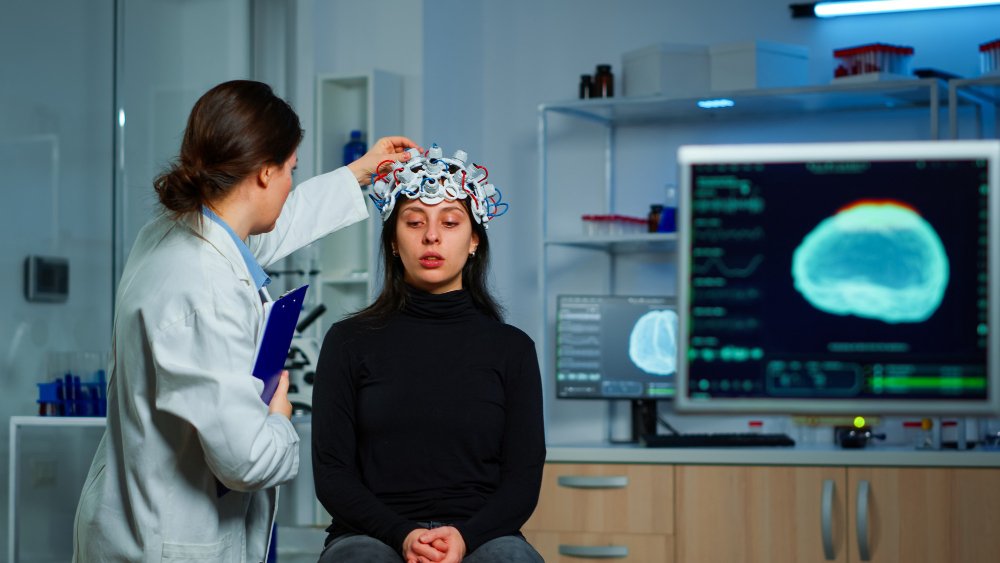
Overview Creutzfeldt-Jakob Disease (CJD) is a rare and fatal brain disorder caused by abnormal proteins called prions. It leads to rapidly progressive dementia and neurological decline. In Korea, the disease is extremely rare, but it is closely monitored by the Korea Disease Control and Prevention Agency (KDCA) due to its public health importance. Specialized neurology […]
Cri du chat syndrome in Korea

Overview Cri du chat syndrome, also known as 5p- syndrome, is a rare genetic condition caused by the deletion of a portion of chromosome 5. The name comes from the distinctive, high-pitched, cat-like cry that infants with the condition often produce. In Korea, while the condition is uncommon, medical genetics departments in advanced hospitals provide […]
Crohn’s disease in Korea

Overview Crohn’s disease is a chronic inflammatory bowel disease (IBD) that affects the digestive tract, causing inflammation and damage to the lining of the gastrointestinal system. It can involve any part of the digestive tract, from the mouth to the anus, but most commonly affects the small intestine and colon. In Korea, awareness and treatment […]
Croup in Korea
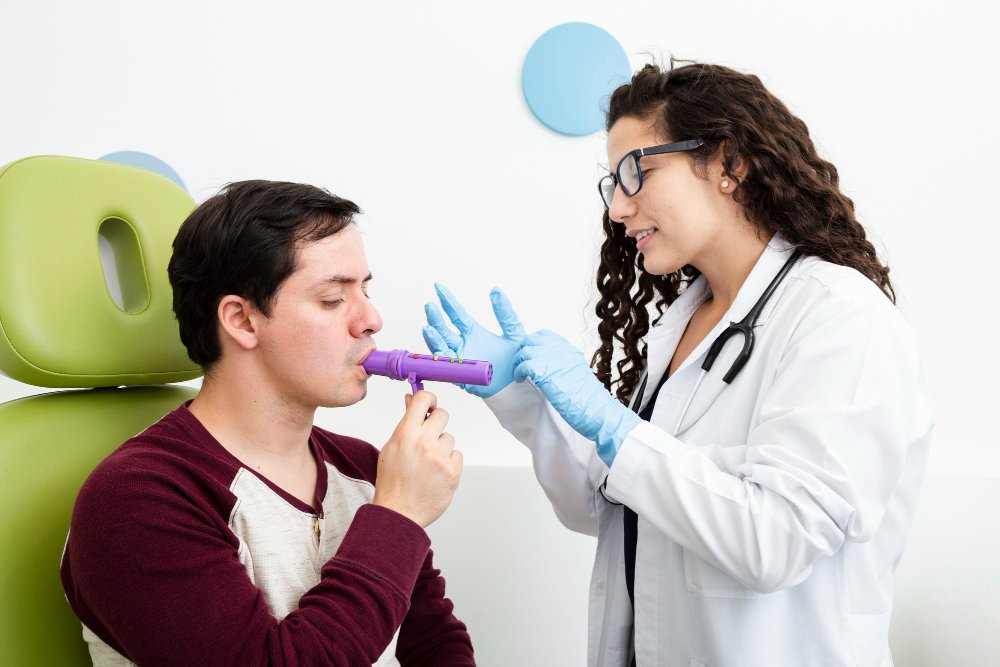
Overview Croup is a common childhood respiratory illness characterized by swelling of the upper airways, leading to a distinctive barking cough and hoarseness. It is usually caused by viral infections and primarily affects children under 5 years of age. In Korea, pediatric care and hospital facilities are well-equipped to manage croup, with early diagnosis and […]
Coughs and colds (in children) in Korea

Overview Coughs and colds are among the most common illnesses in children, usually caused by viral infections of the upper respiratory tract. While most cases are mild and self-limiting, frequent colds can affect a child’s comfort, sleep, and school attendance. In South Korea, pediatric care for coughs and colds is advanced, with access to clinical […]
Cow’s milk allergy in Korea

Overview Cow’s milk allergy (CMA) is one of the most common food allergies in infants and young children. It occurs when the immune system reacts abnormally to proteins in cow’s milk. Symptoms can range from mild skin rashes to severe gastrointestinal or respiratory reactions. South Korea provides advanced diagnostic tools, dietary guidance, and allergy management […]