
Cystic Fibrosis in Korea

Overview Cystic Fibrosis (CF) is a genetic disorder that primarily affects the lungs, pancreas, liver, and intestines. It causes thick, sticky mucus production, leading to recurrent respiratory infections, digestive problems, and reduced nutrient absorption. While CF is rare in East Asia, including Korea, specialized care is available for diagnosis and management, improving quality of life […]
Cystinuria in Korea

Overview Cystinuria is a rare inherited disorder that causes high levels of cystine in the urine, leading to the formation of cystine kidney stones. The condition affects the transport of certain amino acids in the kidneys. While it does not usually affect overall kidney function directly, recurrent stones can cause pain, urinary tract infections, and […]
Cystitis in Korea

Overview Cystitis is inflammation of the bladder, most commonly caused by a bacterial infection. It is a type of urinary tract infection (UTI) and can affect people of all ages. While usually not life-threatening, untreated cystitis can lead to more serious kidney infections. South Korea offers advanced diagnostic tools and effective treatment options for cystitis, […]
Cysts in Korea
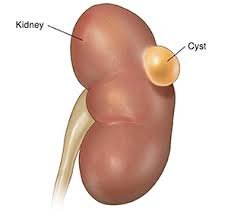
Overview A cyst is a closed sac-like structure filled with liquid, semi-solid, or gaseous material that can develop in any part of the body. Most cysts are benign, but depending on their size, location, and type, they may cause pain, discomfort, or complications. South Korea provides advanced diagnostic imaging and minimally invasive treatments for a […]
Cytokine Release Syndrome in Korea
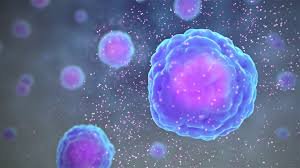
Overview Cytokine Release Syndrome (CRS) is a potentially serious systemic inflammatory response that occurs when the immune system is highly activated, releasing large amounts of cytokines into the bloodstream. CRS is most commonly associated with certain immunotherapies, including CAR-T cell therapy, monoclonal antibodies, and severe infections. South Korea offers advanced hospital care, immunotherapy monitoring, and […]
Cytomegalovirus (CMV) in Korea
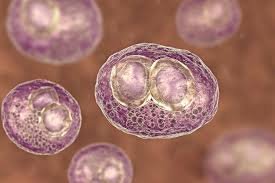
Overview Cytomegalovirus (CMV) is a common virus belonging to the herpesvirus family. While most healthy individuals experience mild or no symptoms, CMV can cause serious illness in newborns, pregnant women, and immunocompromised patients. South Korea provides advanced diagnostic testing, antiviral treatment, and preventive care for CMV infections. What is Cytomegalovirus (CMV)? CMV infection occurs when […]
Cytomegalovirus Infection in Korea

Overview Cytomegalovirus (CMV) infection is caused by the CMV virus, a member of the herpesvirus family. It is common worldwide and often remains asymptomatic in healthy individuals, but can cause serious illness in newborns, pregnant women, and immunocompromised patients. South Korea provides advanced diagnostic, antiviral treatment, and preventive care for CMV infections. What is Cytomegalovirus […]
Crush Injury in Korea

Overview A crush injury occurs when a part of the body is subjected to extreme force or pressure, often trapped between heavy objects. This type of trauma can damage muscles, bones, blood vessels, and nerves. Severe crush injuries may lead to life-threatening complications like rhabdomyolysis, kidney failure, or shock. South Korea offers advanced trauma care […]
Cryoglobulinemia in Korea

Overview Cryptococcosis is a rare but serious fungal infection caused by the Cryptococcus species, typically Cryptococcus neoformans or Cryptococcus gattii. The infection primarily affects the lungs and central nervous system (CNS), including the brain and spinal cord. It most often occurs in people with weakened immune systems, such as those with HIV/AIDS, organ transplant recipients, […]
Cryptococcosis in Korea

Overview Cryptococcosis is a rare but serious fungal infection caused by the Cryptococcus species, typically Cryptococcus neoformans or Cryptococcus gattii. The infection primarily affects the lungs and central nervous system (CNS), including the brain and spinal cord. It usually occurs in people with weakened immune systems, such as those with HIV/AIDS, organ transplant recipients, or […]