
Degenerative arthritis in Korea

Overview Degenerative arthritis, commonly known as osteoarthritis (OA), is a chronic joint disease characterized by the breakdown of cartilage and changes in the bone structure. It leads to pain, stiffness, and reduced mobility, primarily affecting the knees, hips, hands, and spine. In Korea, degenerative arthritis is increasingly common due to an aging population. Hospitals like […]
Deficiency (vitamin A) in Korea

Overview Vitamin A deficiency is a nutritional disorder resulting from inadequate intake or absorption of vitamin A, which is essential for vision, immune function, and skin health. While severe deficiency is rare in Korea due to a generally balanced diet, mild deficiencies can still occur, particularly among children, pregnant women, and individuals with malabsorption disorders. […]
Deep Vein Thrombosis (DVT) in Korea
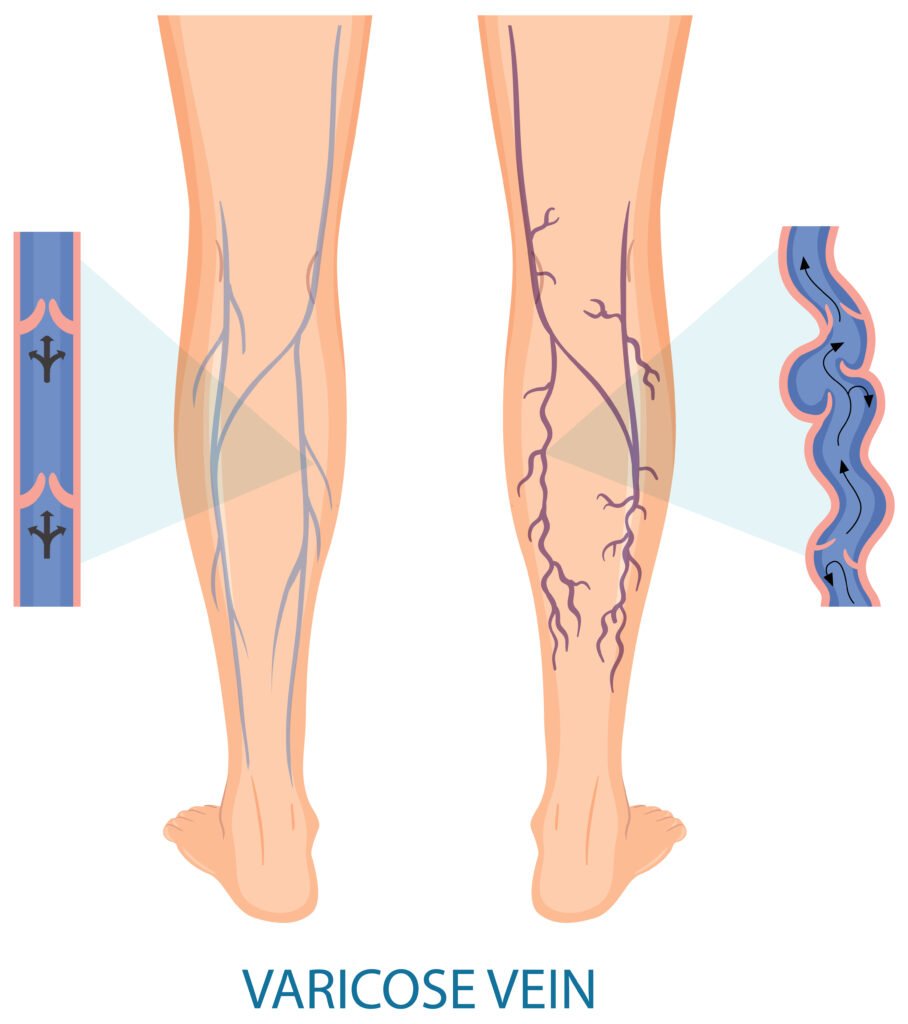
Overview Deep Vein Thrombosis (DVT) is a blood clot formation in the deep veins, usually in the legs. It can be a serious condition because clots may travel to the lungs, causing a pulmonary embolism (PE). In Korea, DVT is managed through early detection, anticoagulation therapy, and advanced interventions in hospitals like Seoul National University […]
Decompression Sickness in Korea

Overview Decompression Sickness (DCS), also known as “the bends”, is a condition that occurs when dissolved gases, mainly nitrogen, form bubbles in the bloodstream and tissues due to rapid pressure changes. It is commonly associated with scuba diving, high-altitude activities, or rapid decompression in aviation. In Korea, hyperbaric medicine centers, such as those at Seoul […]
Deafness in Korea

Overview Deafness, or significant hearing loss, is a condition that affects a person’s ability to perceive sounds and communicate effectively. In Korea, deafness can result from genetic factors, infections, age-related hearing loss, or environmental exposure to loud noises. Specialized audiology and ENT centers, such as Seoul National University Hospital, Asan Medical Center, and Samsung Medical […]
De Quervain’s disease in Korea

Overview De Quervain’s Disease, also called De Quervain’s tenosynovitis, is a painful condition affecting the tendons on the thumb side of the wrist. It is caused by inflammation of the extensor pollicis brevis and abductor pollicis longus tendons, leading to pain, swelling, and difficulty gripping objects. In Korea, patients benefit from early diagnosis, physical therapy, […]
Day Blindness in Korea
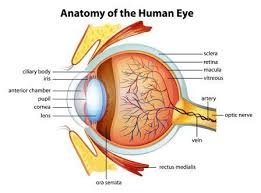
Overview Day blindness, also known as hemeralopia, is a visual condition where individuals experience difficulty seeing in bright light or during daytime. While night vision remains relatively normal, patients may struggle with glare, light sensitivity, or blurred vision under daylight. In Korea, ophthalmology centers including Seoul National University Hospital, Asan Medical Center, and Samsung Medical […]
Dandy-Walker Syndrome in Korea

Overview Dandy-Walker Syndrome (DWS) is a rare congenital brain malformation that affects the cerebellum and the fluid-filled spaces around it. It can lead to developmental delays, motor difficulties, and neurological complications. In Korea, specialized pediatric neurology and neurosurgery centers, including Seoul National University Hospital, Asan Medical Center, and Samsung Medical Center, provide diagnosis, surgical intervention, […]
Dandruff in Korea

Overview Dandruff is a common scalp condition characterized by flaking and sometimes mild itching. While not usually serious, it can affect self-confidence and quality of life. In Korea, dandruff is widely treated through over-the-counter medicated shampoos, dermatologist-prescribed treatments, and lifestyle adjustments. Leading dermatology clinics in Seoul, Busan, and other major cities, including Seoul National University […]
Myositis in Korea

Overview Myositis is a rare group of inflammatory muscle diseases that cause progressive muscle weakness and fatigue. In Korea, patients with myositis benefit from early diagnosis and multidisciplinary care, including rheumatology, neurology, and rehabilitation services. Major hospitals such as Seoul National University Hospital, Asan Medical Center, and Samsung Medical Center offer comprehensive treatment, including immunosuppressive […]