
Demyelinating Diseases in Korea
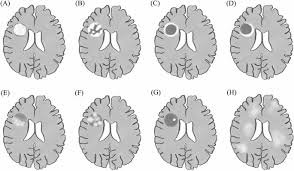
Overview Demyelinating diseases are a group of disorders that damage the myelin sheath—the protective covering of nerve fibers—leading to impaired nerve signal transmission. These conditions can result in neurological deficits, disability, and reduced quality of life. In Korea, hospitals like Seoul National University Hospital, Asan Medical Center, and Samsung Medical Center provide specialized neurology services, […]
Dementia with Lewy Bodies in Korea
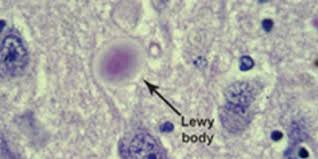
Overview Dementia with Lewy Bodies (DLB) is a progressive neurodegenerative disorder characterized by cognitive decline, fluctuating alertness, and Parkinsonian features. It is the second most common type of degenerative dementia after Alzheimer’s disease. In Korea, specialized care for DLB is available at Seoul National University Hospital, Asan Medical Center, and Samsung Medical Center, where neurologists […]
Dementia (early onset) in Korea

Overview Early-onset dementia refers to dementia that occurs before the age of 65, affecting individuals in the prime of their lives. Though less common than late-onset dementia, it poses significant challenges in employment, family responsibilities, and social life. In Korea, specialized centers at hospitals like Seoul National University Hospital, Asan Medical Center, and Samsung Medical […]
Dementia in Korea
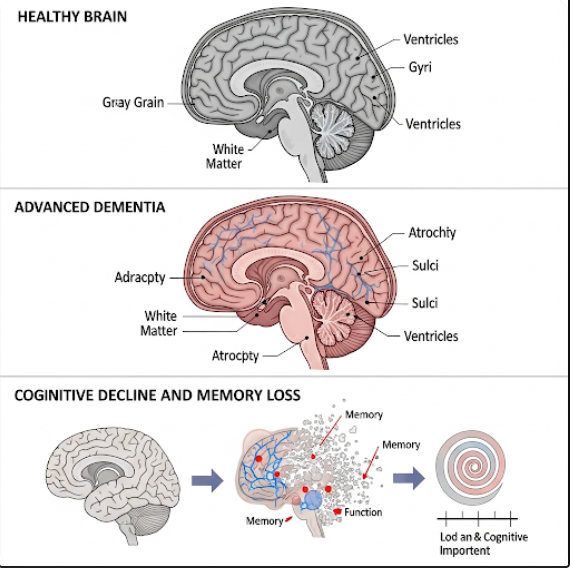
Overview Dementia is a progressive cognitive disorder that impairs memory, thinking, and daily functioning. It is a major health concern in Korea, particularly with the rapidly aging population. Early diagnosis and management are emphasized in hospitals like Seoul National University Hospital, Asan Medical Center, and Samsung Medical Center, along with community programs to support patients […]
Delusional Disorder in Korea

Overview Delusional disorder is a psychiatric condition characterized by persistent false beliefs that are not in line with reality. Unlike other psychotic disorders, individuals with delusional disorder generally maintain normal daily functioning outside the scope of their delusions. In Korea, psychiatric hospitals and clinics, including Seoul National University Hospital, Asan Medical Center, and Samsung Medical […]
Delirium and dementia in Korea

Overview Delirium and dementia are distinct but related cognitive disorders that often affect older adults. Delirium is an acute and reversible change in mental status, while dementia is a chronic and progressive decline in cognitive function. In Korea, early diagnosis and management at hospitals like Seoul National University Hospital, Asan Medical Center, and Samsung Medical […]
Delirium Tremens in Korea

Overview Delirium Tremens (DTs) is a severe and potentially life-threatening form of alcohol withdrawal, typically occurring in individuals with chronic alcohol dependence. It is characterized by acute confusion, hallucinations, and autonomic instability. In Korea, patients experiencing DTs receive emergency care and specialized treatment in hospitals such as Seoul National University Hospital, Asan Medical Center, and […]
Delirium in Korea
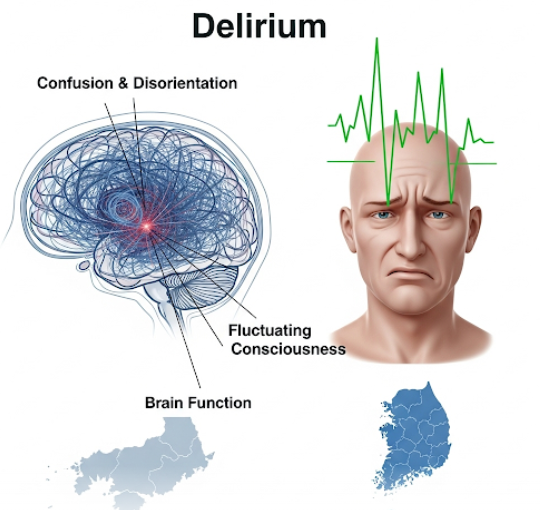
Overview Delirium is a sudden and severe change in mental status, characterized by confusion, disorientation, and altered consciousness. It is a common complication among hospitalized patients, particularly the elderly, and can result from medical illness, surgery, or medications. In Korea, hospitals like Seoul National University Hospital, Asan Medical Center, and Samsung Medical Center provide rapid […]
Delayed Puberty in Korea

Overview Delayed puberty is a condition where physical signs of sexual development appear later than usual. It can affect both boys and girls and may be due to hormonal, genetic, or chronic health factors. In Korea, pediatric endocrinologists at hospitals like Seoul National University Hospital, Asan Medical Center, and Samsung Medical Center specialize in diagnosing […]
Dehydration in Korea

Overview Dehydration occurs when the body loses more fluids than it takes in, disrupting normal bodily functions. It can range from mild to severe and can affect anyone, especially the elderly, infants, and individuals engaging in strenuous activity. In Korea, dehydration is commonly treated in emergency departments and internal medicine clinics at hospitals such as […]