
Myopia in Korea
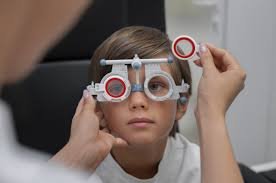
Overview Myopia, commonly known as nearsightedness, is a widespread vision condition in which distant objects appear blurred while near objects are seen clearly. In Korea, myopia is highly prevalent, particularly among children and young adults, due to genetic factors and lifestyle patterns such as extensive screen time and indoor studying. Advances in ophthalmology, including laser […]
Myocarditis in Korea

Overview Myocarditis is an inflammation of the heart muscle (myocardium), which can affect the heart’s ability to pump blood efficiently. In Korea, myocarditis is diagnosed and treated in specialized cardiology centers, with most cases caused by viral infections, autoimmune conditions, or adverse reactions to medications. Hospitals such as Seoul National University Hospital, Asan Medical Center, […]
Myocardial Infarction in Korea

Overview Myocardial Infarction (MI), commonly known as a heart attack, occurs when blood flow to the heart muscle is blocked, causing tissue damage. In Korea, heart disease remains a leading cause of morbidity and mortality. Advances in early diagnosis, interventional cardiology, and emergency care have significantly improved survival rates. Major hospitals such as Seoul National […]
Myeloma in Korea

Overview Myeloma, also known as Multiple Myeloma (MM), is a type of blood cancer that affects plasma cells in the bone marrow. It leads to abnormal antibody production, weakened immunity, bone damage, anemia, and kidney problems. In Korea, the availability of advanced diagnostic tools, targeted therapies, and stem cell transplantation has improved survival and quality […]
Myelofibrosis in Korea

Overview Myelofibrosis is a rare bone marrow disorder in which the marrow is replaced with fibrous scar tissue, leading to impaired blood cell production. In Korea, the condition is managed through advanced diagnostic methods, targeted therapies, and hematology care at major hospitals such as Seoul National University Hospital, Asan Medical Center, and Samsung Medical Center. […]
Myelodysplastic Syndromes in Korea

Overview Myelodysplastic Syndromes (MDS) are a group of disorders caused by poorly formed or dysfunctional blood cells in the bone marrow, leading to anemia, infections, and bleeding tendencies. In Korea, MDS is increasingly recognized thanks to improved diagnostic techniques, including genetic testing and bone marrow analysis. Leading hospitals such as Seoul National University Hospital, Asan […]
Myelitis in Korea

Overview Myelitis is an inflammation of the spinal cord that can disrupt nerve signals, causing weakness, sensory changes, and sometimes paralysis. In Korea, cases of myelitis are managed through advanced diagnostic techniques and multidisciplinary care. Leading hospitals such as Seoul National University Hospital, Asan Medical Center, and Samsung Medical Center offer specialized neurology services, immunotherapy, […]
Myasthenia Gravis in Korea

Overview Myasthenia Gravis (MG) is a chronic autoimmune neuromuscular disorder that causes weakness in voluntary muscles. In Korea, advances in neurology, immunology, and rehabilitation have improved diagnosis and treatment, helping patients manage symptoms effectively. Major hospitals such as Seoul National University Hospital, Asan Medical Center, and Samsung Medical Center provide specialized care, including immunotherapy, surgical […]
Muscular Dystrophy in Korea

Overview Muscular Dystrophy (MD) is a group of inherited disorders characterized by progressive muscle weakness and degeneration. In Korea, advancements in genetic testing, rehabilitation programs, and multidisciplinary care have improved the diagnosis and management of MD. Leading hospitals, including Seoul National University Hospital, Asan Medical Center, and Samsung Medical Center, provide specialized treatment plans to […]
Mumps in Korea

Overview Mumps is a contagious viral infection caused by the mumps virus, primarily affecting the salivary glands, especially the parotid glands near the jaw. In Korea, routine vaccination programs, including the MMR (measles, mumps, rubella) vaccine, have significantly reduced the incidence of mumps, but outbreaks still occur, particularly in schools and crowded settings. Early detection […]