
Dupuytren’s contracture in Korea
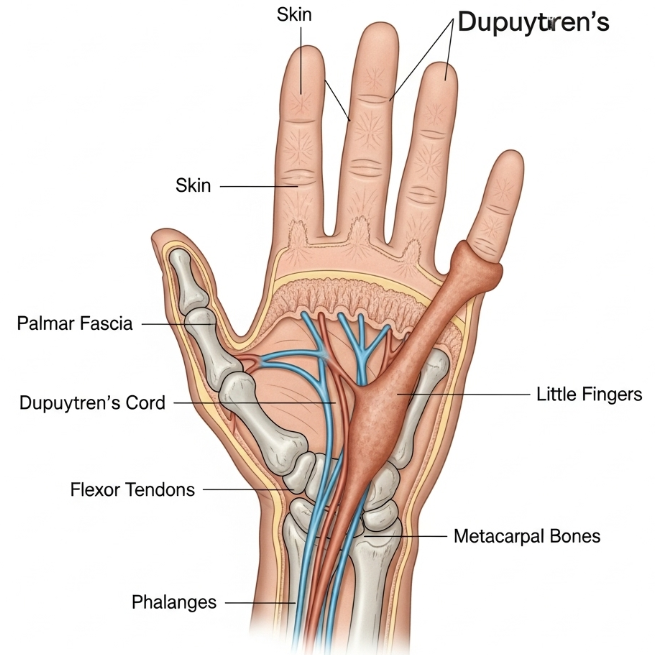
Overview Dupuytren’s Contracture is a hand condition characterized by the progressive thickening and tightening of the connective tissue in the palm, leading to bent fingers. In South Korea, the condition is less common than in Western countries but is increasingly recognized among older adults. Early intervention is important to maintain hand function and prevent permanent […]
Duodenal ulcer in Korea
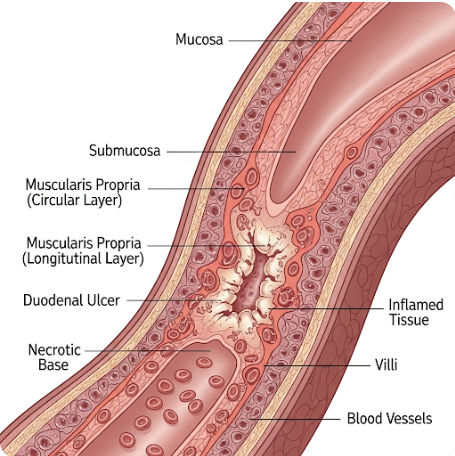
Overview Duodenal ulcers are sores that develop in the lining of the duodenum, the first part of the small intestine. In South Korea, duodenal ulcers remain a common gastrointestinal condition, often associated with Helicobacter pylori infection, long-term use of nonsteroidal anti-inflammatory drugs (NSAIDs), or lifestyle factors such as stress and diet. Early diagnosis and treatment […]
Duchenne muscular dystrophy in Korea
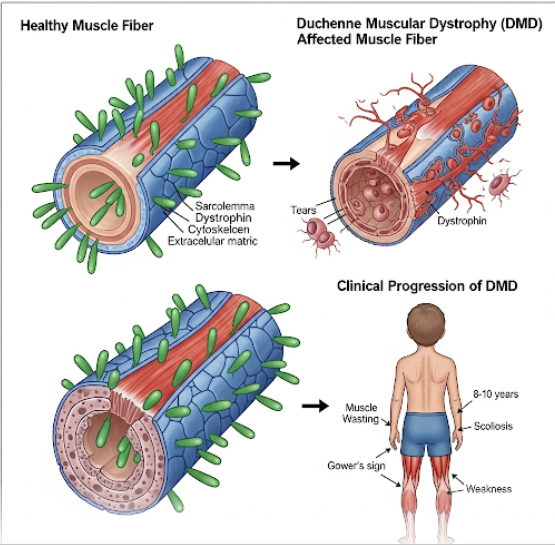
Overview Duchenne Muscular Dystrophy (DMD) is a severe genetic disorder characterized by progressive muscle weakness and degeneration. In South Korea, DMD is one of the most common inherited neuromuscular diseases affecting boys. Advances in early diagnosis, multidisciplinary care, and emerging therapies have improved life expectancy and quality of life for patients. What is Duchenne Muscular […]
Dumping Syndrome in Korea
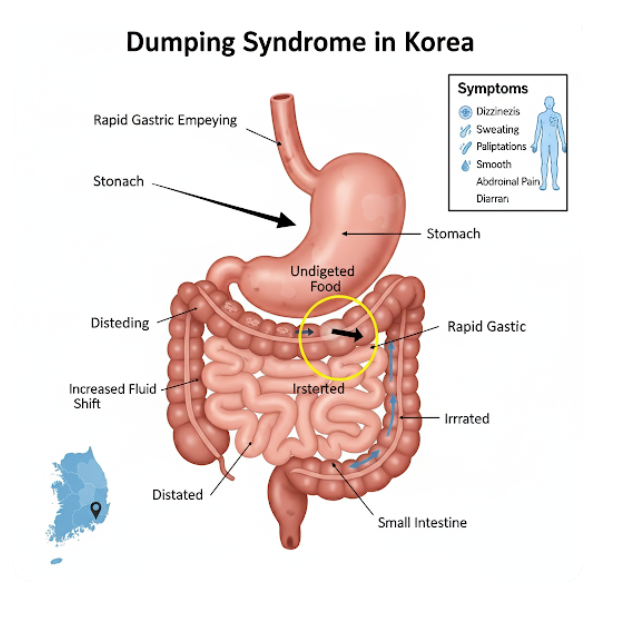
Overview Dumping Syndrome is a digestive disorder that occurs when food, especially sugar, moves too quickly from the stomach into the small intestine. In South Korea, it is commonly observed in patients who have undergone gastric surgery, including bariatric procedures or partial gastrectomy for ulcers or cancer. Early recognition and dietary management are key to […]
Dubin-Johnson Syndrome in Korea
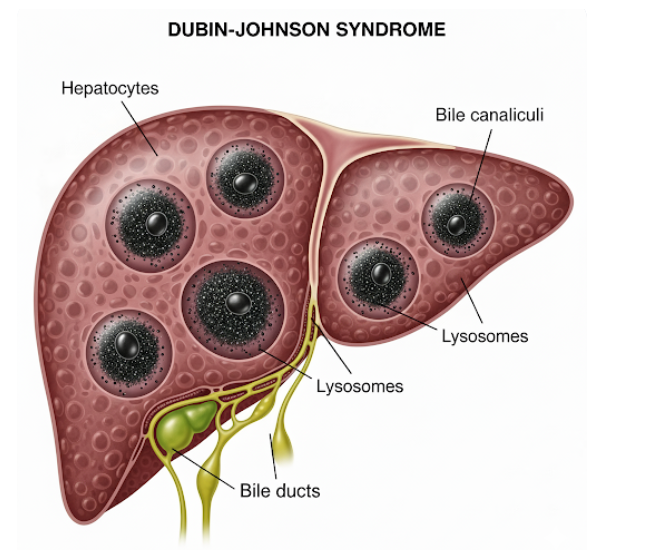
Overview Dubin-Johnson Syndrome (DJS) is a rare genetic liver disorder characterized by chronic conjugated hyperbilirubinemia. In South Korea, although uncommon, awareness of DJS is important for differential diagnosis in patients presenting with jaundice. The condition is generally benign, but correct diagnosis prevents unnecessary treatment and anxiety. What is Dubin-Johnson Syndrome? Dubin-Johnson Syndrome is an inherited […]
Dry socket in Korea
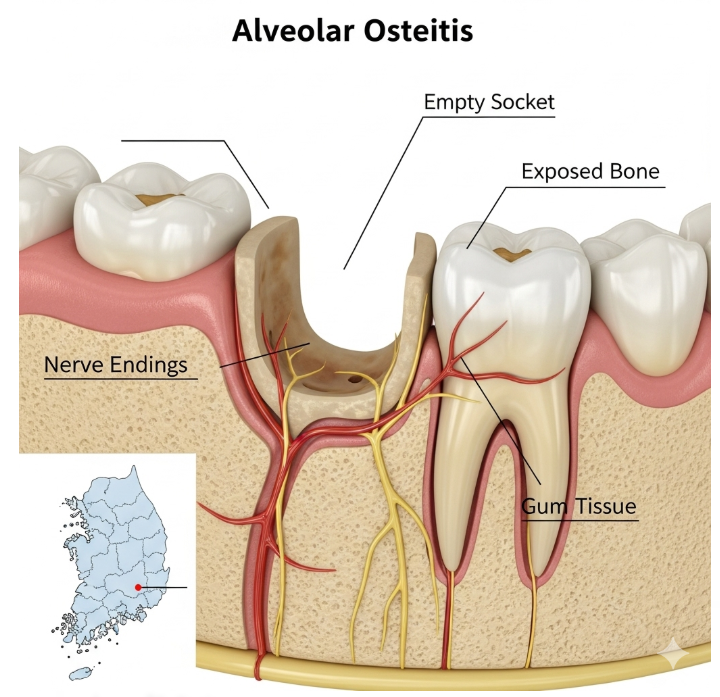
Overview Dry socket, medically known as alveolar osteitis, is a painful dental condition that can occur after tooth extraction, particularly wisdom teeth removal. In South Korea, with a high prevalence of dental procedures and oral surgeries, dry socket remains a common post-operative complication. Prompt recognition and treatment are essential to relieve pain and prevent infection. […]
Dry Mouth in Korea
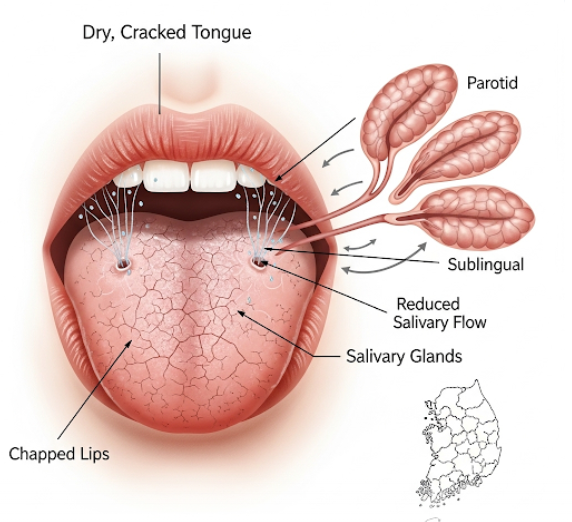
Prevention Preventive measures include: Treatment Options in Korea In South Korea, treatment focuses on relieving symptoms, improving saliva production, and addressing underlying causes: Medical Management: Dental Care: Lifestyle and Supportive Measures: Specialized dental and medical clinics in Korea provide comprehensive management for dry mouth, ensuring early intervention to prevent complications and improve patients’ oral health […]
Drusen in Korea
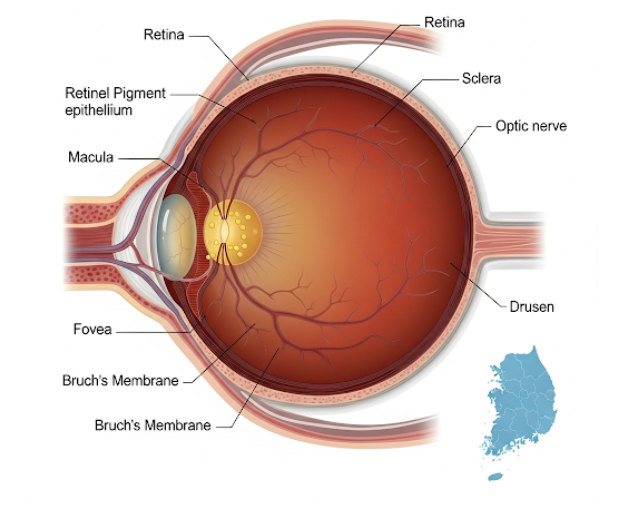
Overview Drusen are small yellow or white deposits that form under the retina, often associated with aging and retinal diseases such as age-related macular degeneration (AMD). In South Korea, with an aging population and increased screen usage, the prevalence of drusen-related retinal conditions is significant. Early detection is essential to prevent vision loss and manage […]
Drug-Induced Lupus in Korea

Overview Drug-induced lupus (DIL) is an autoimmune condition triggered by certain medications, leading to symptoms similar to systemic lupus erythematosus (SLE). In South Korea, awareness of DIL is increasing as more patients use long-term medications for hypertension, heart disease, or infections. Although generally reversible upon discontinuing the causative drug, prompt recognition is important to prevent […]
Drug-Induced Hepatitis in Korea
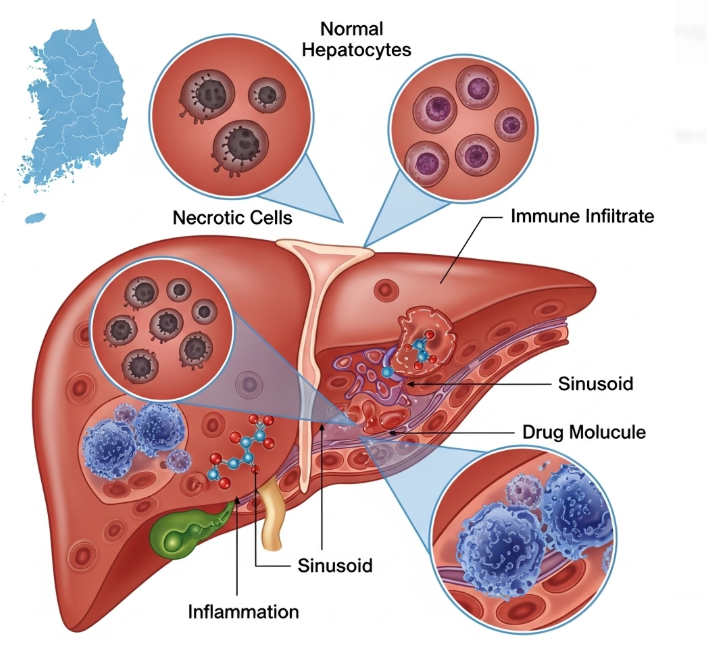
Overview Drug-induced hepatitis (DIH) is liver inflammation caused by medications, herbal supplements, or chemical agents. In South Korea, awareness of DIH is growing due to widespread use of prescription medications, over-the-counter drugs, and traditional herbal remedies. Timely diagnosis and proper management are critical to prevent severe liver damage, liver failure, or chronic hepatitis. What is […]