
Dyshidrotic Eczema in Korea

Overview Dyshidrotic eczema, also known as pompholyx, is a skin condition characterized by small, itchy blisters on the hands and feet. In South Korea, it is a common dermatological issue that can significantly affect daily activities and quality of life, especially for individuals frequently exposed to water, chemicals, or irritants. Effective management involves identifying triggers, […]
Dysgeusia in Korea
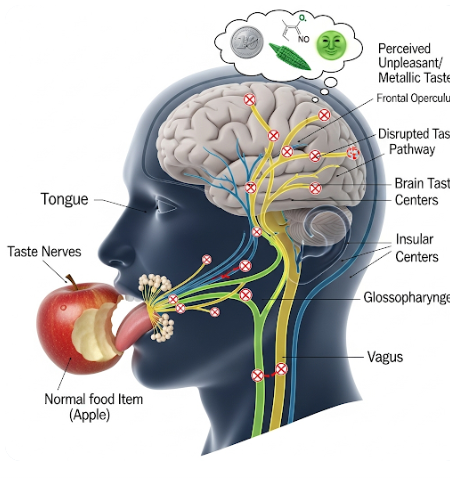
Overview Dysgeusia is a disorder characterized by a distortion or alteration in the sense of taste. In South Korea, this condition is increasingly recognized due to its impact on nutrition, appetite, and quality of life. Dysgeusia can result from various underlying health issues, medications, or lifestyle factors. Early identification and management can help restore taste […]
Dysentery in Korea
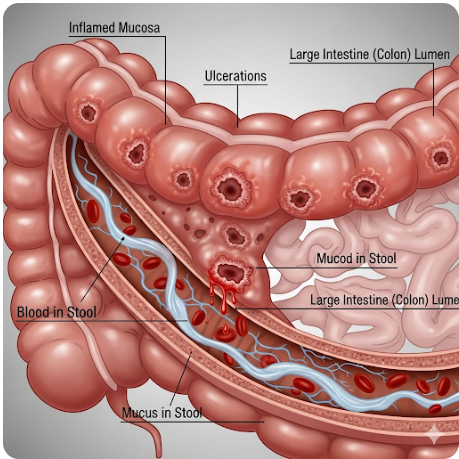
Overview Dysentery is an infectious disease that causes severe diarrhea with blood and mucus, typically resulting from bacterial or amoebic infections. In South Korea, improved sanitation has reduced its prevalence, but cases still occur, particularly among travelers and in outbreak situations. Prompt diagnosis and treatment are crucial to prevent complications such as dehydration. What is […]
Dyscalculia in Korea
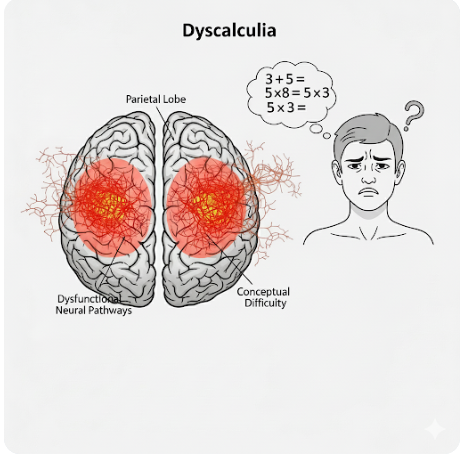
Overview Dyscalculia is a specific learning disorder that affects a person’s ability to understand numbers, perform calculations, and develop mathematical skills. In South Korea, with the emphasis on academic achievement, early identification and support for children with dyscalculia are crucial to prevent educational challenges and boost confidence in learning mathematics. What is Dyscalculia? Dyscalculia, often […]
Dysbiosis in Korea
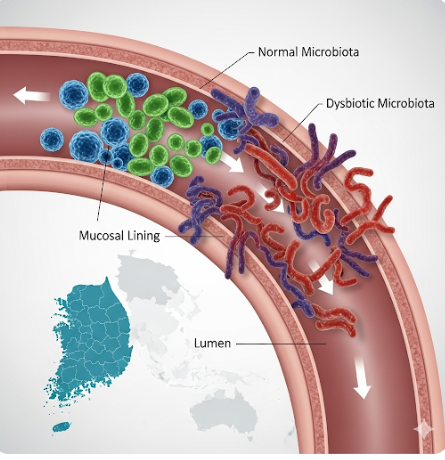
Overview Dysbiosis refers to an imbalance in the gut microbiota, where harmful bacteria outnumber beneficial ones, disrupting normal digestive and immune functions. In South Korea, increasing awareness of gut health has highlighted dysbiosis as a contributing factor to gastrointestinal disorders, metabolic issues, and immune dysfunction. Proper diagnosis and treatment are essential for restoring a healthy […]
Dysautonomia in Korea
Overview Dysautonomia refers to a group of disorders that affect the autonomic nervous system (ANS), which controls involuntary body functions such as heart rate, blood pressure, digestion, and temperature regulation. In South Korea, dysautonomia is increasingly recognized due to heightened awareness and improved diagnostic tools. Early diagnosis and management are vital to prevent complications and […]
Dysarthria in Korea
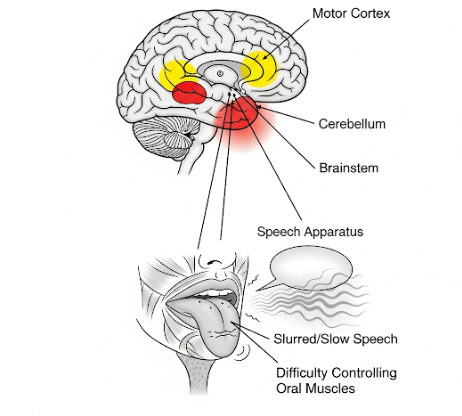
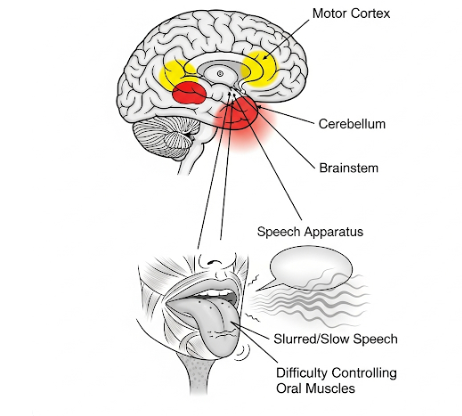
Overview Dysarthria is a motor speech disorder resulting from impaired movement of the muscles used in speech, including the lips, tongue, vocal cords, and diaphragm. In South Korea, dysarthria is commonly seen in patients recovering from stroke, neurological diseases, or head injuries. Early assessment and speech therapy are crucial for improving communication and quality of […]
Dwarfism in Korea
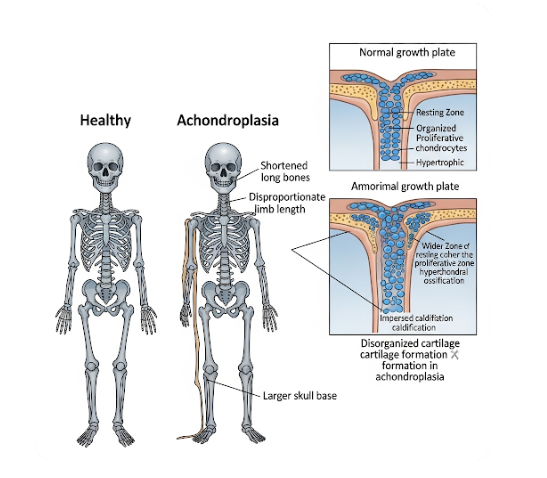
Dwarfism in Korea Overview Dwarfism refers to a medical condition characterized by short stature resulting from genetic or medical causes. In South Korea, dwarfism is recognized in both children and adults, with various genetic syndromes and growth disorders contributing to its occurrence. Early diagnosis and intervention help optimize growth potential and improve quality of life. […]
Dural Ectasia in Korea
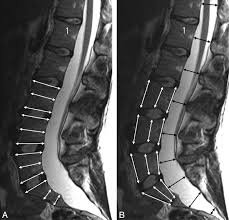
Overview Dural ectasia is a condition characterized by the widening or ballooning of the dural sac surrounding the spinal cord. In South Korea, it is most commonly associated with connective tissue disorders, such as Marfan syndrome or Ehlers-Danlos syndrome. While often asymptomatic, dural ectasia can lead to back pain, neurological issues, and postural problems if […]
Dural Arteriovenous Fistula in Korea
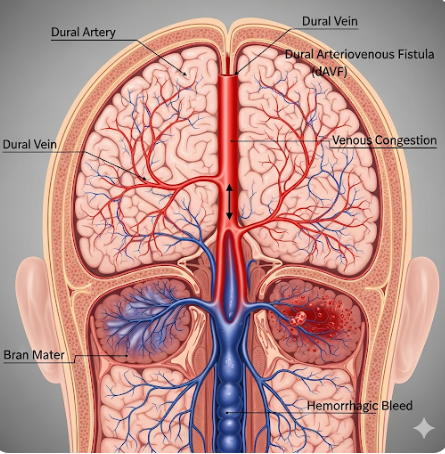
Overview A dural arteriovenous fistula (DAVF) is an abnormal connection between an artery and a vein in the dura mater of the brain or spinal cord. In South Korea, this condition is rare but clinically significant, as it can lead to neurological symptoms and, in severe cases, hemorrhage. Early diagnosis and treatment are crucial to […]