
Drug Withdrawal in Korea

Overview Drug withdrawal refers to the range of symptoms that occur when a person reduces or stops taking a substance they have become dependent on. This can include prescription medications, over-the-counter drugs, or recreational substances. In South Korea, awareness and treatment of drug withdrawal are gaining importance due to increasing concerns about substance misuse, including […]
Dry Eye Syndrome in Korea
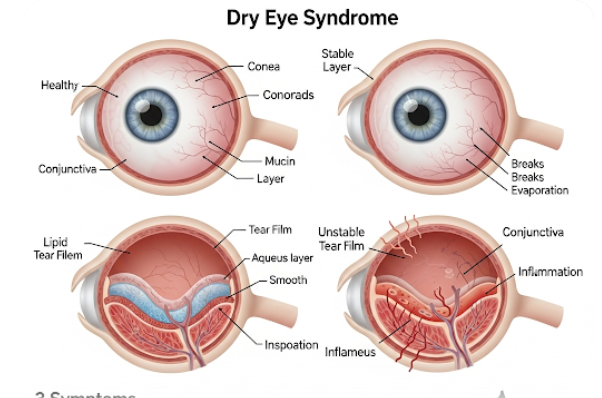
Overview Dry Eye Syndrome (DES) is a common condition where the eyes do not produce enough tears or when the tears evaporate too quickly, leading to irritation, discomfort, and vision problems. It is particularly prevalent in countries like Korea due to factors such as high screen time, pollution, use of contact lenses, and aging populations. […]
Drug Overdose in Korea
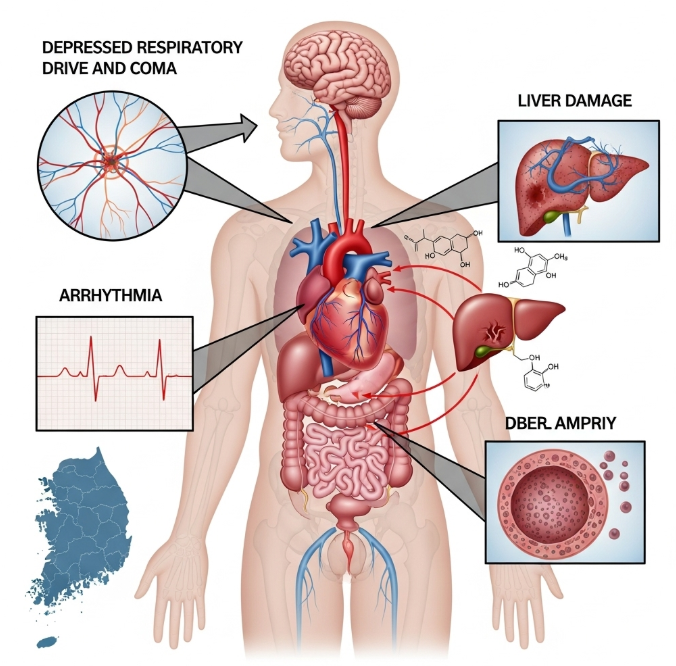
Overview A drug overdose occurs when a person takes a higher dose of medication, prescription drugs, over-the-counter medicine, or illicit substances than the body can safely handle. Overdose can be accidental (due to medication misuse, confusion, or interactions) or intentional (linked to self-harm or substance abuse). In Korea, drug overdose is a growing public health […]
Drug Allergy in Korea

Overview Drug allergy is a type of adverse drug reaction that involves the immune system mistakenly identifying a medication as a harmful substance. Unlike common side effects or intolerance (which may cause nausea, stomach upset, or fatigue), drug allergies trigger an immune response, often involving antibodies such as IgE or T-cells. In Korea, the increasing […]
Dracunculiasis (Guinea Worm Disease) in Korea

Overview Dracunculiasis, also known as Guinea Worm Disease, is a parasitic infection caused by Dracunculus medinensis. It is extremely rare in Korea due to improved sanitation and water treatment. Korean healthcare focuses on prevention, awareness, and management of imported cases. What is Dracunculiasis? Dracunculiasis occurs when larvae of the Guinea worm are ingested through contaminated […]
Doxycycline Side Effects in Korea

Overview Doxycycline is a commonly prescribed antibiotic used to treat infections such as respiratory, urinary, and skin infections. In Korea, healthcare providers educate patients about potential side effects, proper usage, and monitoring to ensure safe treatment outcomes. What are Doxycycline Side Effects? Doxycycline side effects are adverse reactions that may occur during or after taking […]
Down Syndrome in Korea

Overview Down Syndrome is a genetic disorder caused by the presence of an extra chromosome 21, leading to developmental delays and characteristic physical features. In Korea, specialized hospitals and pediatric clinics provide diagnosis, early intervention, therapy, and ongoing support to improve quality of life for individuals with Down Syndrome. What is Down Syndrome? Down Syndrome […]
Dog bites in Korea

Overview Dog bites are a common type of animal injury that can cause physical trauma and risk of infection, including rabies. In Korea, hospitals and clinics provide wound care, vaccination, and follow-up treatment to prevent complications. What are Dog Bites? A dog bite occurs when a dog bites or scratches a person, potentially breaking the […]
Dizziness in Korea

Overview Dizziness is a common symptom rather than a disease itself, indicating a problem with balance, the inner ear, circulation, or neurological function. In Korea, hospitals and clinics provide comprehensive evaluations and treatment to identify causes and manage symptoms effectively. What is Dizziness? Dizziness refers to a sensation of unsteadiness, lightheadedness, or spinning (vertigo). It […]
Diverticulosis in Korea
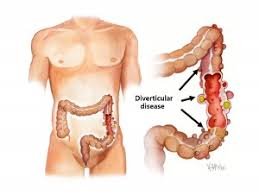
Overview Diverticulosis is a common digestive condition where small pouches called diverticula form in the wall of the colon, usually without causing inflammation. In Korea, gastroenterologists focus on early detection, dietary management, and monitoring to prevent progression to diverticulitis or other complications. What is Diverticulosis? Diverticulosis refers to the presence of diverticula in the colon. […]