
Dysthymia in Korea

Overview Dysthymia, also called Persistent Depressive Disorder (PDD), is a chronic form of depression characterized by long-lasting low mood, sadness, and lack of motivation lasting for two years or more. Unlike major depressive disorder, dysthymia may not completely disable a person, but it significantly affects quality of life, relationships, work performance, and overall well-being. In […]
Dyspraxia in Korea

Overview Dyspraxia, also known as Developmental Coordination Disorder (DCD), is a neurological condition that affects motor skill development, coordination, and movement planning. It is not related to intelligence but can impact learning, daily activities, and social participation. In Korea, dyspraxia awareness has been increasing, particularly in pediatric neurology, developmental rehabilitation, and occupational therapy clinics. With […]
Dyspnea in Korea

Dyspnea in Korea Overview Dyspnea, commonly known as shortness of breath, is a distressing sensation of not being able to breathe comfortably. It can occur suddenly (acute dyspnea) or develop gradually (chronic dyspnea), and it is often associated with underlying heart, lung, or systemic conditions. In Korea, dyspnea is one of the most common symptoms […]
Dysphasia in Korea
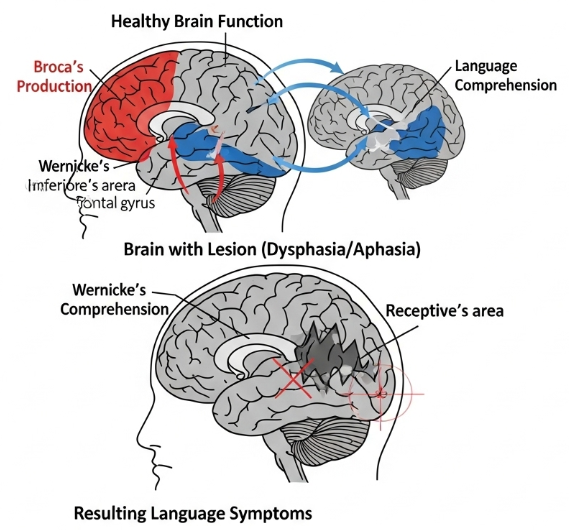
Overview Dysphasia is a language disorder caused by damage to the brain areas responsible for communication, most commonly after a stroke, head injury, or brain disease. Unlike dysarthria (a speech motor disorder), dysphasia specifically affects language comprehension and expression. In Korea, dysphasia is often seen in patients recovering from stroke, which is a leading cause […]
Dysphagia in Korea
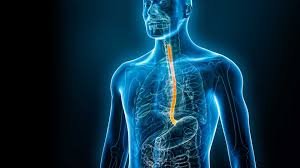
Overview Dysphagia refers to difficulty in swallowing and can occur at any stage of the swallowing process — from the mouth to the esophagus. It can range from mild discomfort to severe swallowing difficulties that impact nutrition, hydration, and overall health. In Korea, dysphagia is a common concern among the elderly, patients with neurological disorders […]
Dyspepsia in Korea

Overview Dyspepsia, commonly referred to as indigestion, is a group of symptoms that affect the upper digestive tract, including discomfort or pain in the upper abdomen, bloating, and nausea. It can be acute or chronic and is often linked to lifestyle habits, dietary choices, or underlying gastrointestinal disorders. In Korea, where the diet is rich […]
Dyspareunia in Korea

Overview Dyspareunia refers to persistent or recurrent pain during or after sexual intercourse. It is a relatively common condition among women, though men can also experience it in certain cases. In Korea, sexual health awareness has been increasing, and specialized gynecology, urology, and mental health clinics provide advanced diagnostic and treatment options for individuals suffering […]
Dysmenorrhea in Korea

Overview Dysmenorrhea refers to painful menstrual cramps that occur before or during menstruation. It is one of the most common gynecological conditions among women of reproductive age. In South Korea, where women’s health awareness and access to advanced medical care are well established, dysmenorrhea is widely recognized and treated through both conventional medicine and complementary […]
Dyslexia in Korea

Overview Dyslexia is a specific learning disorder that primarily affects reading, writing, and spelling abilities despite normal intelligence and adequate educational opportunities. It is a lifelong condition that usually becomes evident in childhood when a child struggles with language-related academic tasks. In South Korea, awareness of dyslexia has been increasing, and specialized educational programs, psychological […]
Dyskinesia in Korea

Overview Dyskinesia refers to involuntary, erratic, or uncontrolled movements of the body, often associated with neurological conditions or as a side effect of long-term medication use. In South Korea, dyskinesia is most commonly linked to Parkinson’s disease and the prolonged use of levodopa, but it may also occur in other neurological disorders or as a […]