
Fainting (Syncope) in Korea

Overview Fainting, also known as syncope, is a sudden, temporary loss of consciousness caused by a drop in blood flow to the brain. While often benign, recurrent or severe episodes may indicate an underlying medical condition. In Korea, syncope is evaluated and treated in cardiology, neurology, and emergency medicine departments, with a focus on identifying […]
Factor XI deficiency in Korea

Overview Factor XI deficiency, also known as hemophilia C, is a rare inherited bleeding disorder caused by a deficiency or dysfunction of Factor XI, a protein essential for blood clotting. Unlike hemophilia A or B, Factor XI deficiency often leads to mild to moderate bleeding, primarily after surgery or trauma rather than spontaneous bleeding. In […]
Factor V Leiden thrombophilia in Korea
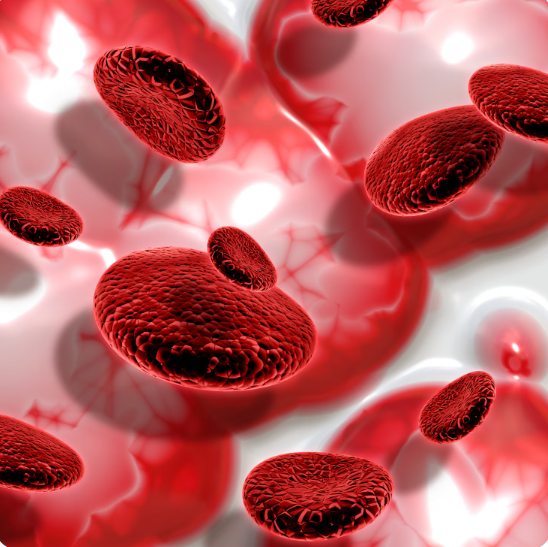
Overview Factor V Leiden thrombophilia is a genetic blood clotting disorder that increases the risk of forming abnormal blood clots in veins (venous thromboembolism). It is caused by a mutation in the Factor V gene, which makes the clotting protein resistant to inactivation. In Korea, this condition is considered rare, but awareness has grown among […]
Facial palsy in Korea

Overview Facial palsy is a condition characterized by weakness or paralysis of the facial muscles, often on one side of the face. It can result from nerve damage, infections, trauma, or underlying medical conditions. In Korea, facial palsy is commonly managed in neurology, otolaryngology, and plastic surgery departments, combining medical therapy, rehabilitation, and surgical options […]
Facial nerve disorders in Korea

Overview Facial nerve disorders involve dysfunction or damage to the facial nerve (cranial nerve VII), which controls the muscles of facial expression, tear and saliva production, and taste sensation in the front two-thirds of the tongue. In Korea, these conditions are treated with advanced neurology, otolaryngology, and plastic surgery care, with a focus on restoring […]
Facial injury in Korea
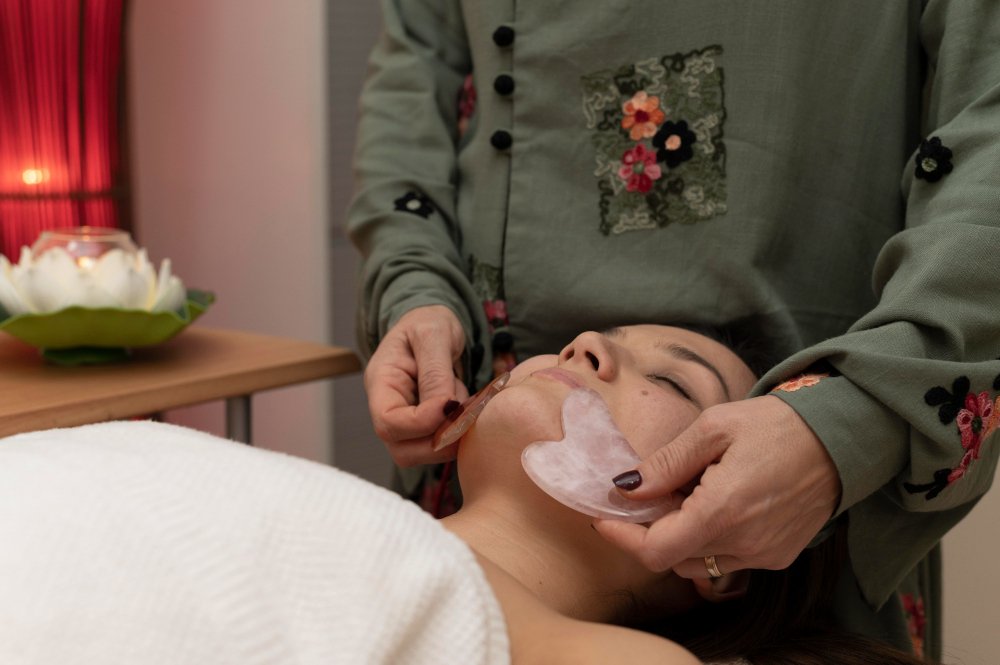
Overview Facial injuries include trauma to the bones, skin, muscles, or soft tissues of the face. These injuries may result from accidents, sports, falls, assaults, or workplace hazards. They can range from minor cuts and bruises to severe fractures involving the jaw, nose, or orbital bones. In Korea, facial injuries are treated with advanced plastic […]
Fabry disease in Korea

Overview Fabry disease is a rare inherited lysosomal storage disorder caused by a deficiency of the enzyme alpha-galactosidase A, leading to the accumulation of a fatty substance called globotriaosylceramide (Gb3) in the body’s cells. This buildup damages blood vessels and organs, especially the kidneys, heart, and nervous system. In Korea, Fabry disease is considered an […]
FASD in Korea

Overview Fetal Alcohol Spectrum Disorder (FASD) refers to a group of conditions that can occur in an individual whose mother consumed alcohol during pregnancy. These conditions may include physical abnormalities, learning difficulties, behavioral issues, and developmental delays. In Korea, increasing awareness of maternal and child health has brought FASD into focus, with hospitals and clinics […]
Dystrophic Epidermolysis Bullosa in Korea

Overview Dystrophic Epidermolysis Bullosa (DEB) is a rare inherited skin disorder that causes fragile skin to blister and tear easily, even with minor trauma. It belongs to the Epidermolysis Bullosa (EB) group of diseases, which are often called “butterfly skin conditions” due to the extreme delicacy of the skin. In Korea, DEB is recognized as […]
Dystonia in Korea

Overview Dystonia is a neurological movement disorder characterized by involuntary, sustained muscle contractions that cause twisting, repetitive movements, or abnormal postures. It can affect one part of the body (focal dystonia), multiple regions (segmental dystonia), or the entire body (generalized dystonia). In Korea, the diagnosis and treatment of dystonia are advancing rapidly, thanks to specialized […]