
Febrile seizures in Korea

Overview Febrile seizures are seizure episodes triggered by fever in infants and young children, typically between the ages of 6 months and 5 years. They are the most common type of seizure in children and, while alarming for parents, they are usually benign and self-limiting. In Korea, pediatric neurology and emergency departments are well equipped […]
Felty’s syndrome in Korea

Overview Felty’s syndrome is a rare autoimmune disorder characterized by the triad of rheumatoid arthritis (RA), an enlarged spleen (splenomegaly), and low white blood cell count (neutropenia). This condition is uncommon worldwide but is recognized in Korea, particularly in patients with long-standing rheumatoid arthritis. Early detection and management are crucial to reduce infection risk and […]
Favism in Korea

Overview Favism is a genetic disorder characterized by hemolytic anemia triggered by the ingestion of fava beans or exposure to certain oxidant drugs. While rare, it is an important consideration in Korea for individuals with glucose-6-phosphate dehydrogenase (G6PD) deficiency, which can lead to sudden hemolysis if exposed to triggers. Early recognition and dietary management are […]
Fatty liver disease in Korea
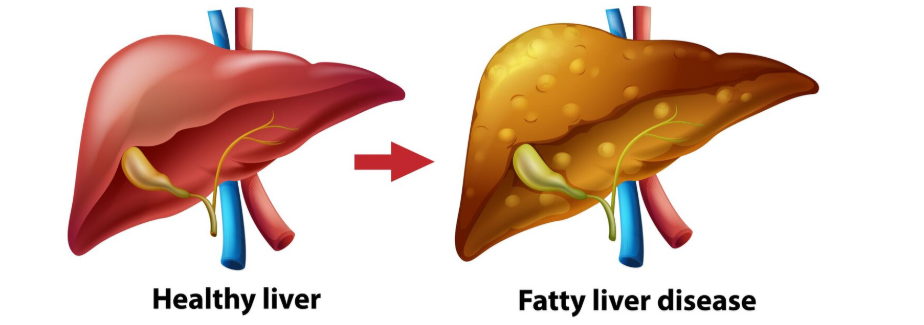
Overview Fatty liver disease (FLD) is a condition characterized by the accumulation of fat in liver cells, which can be either alcohol-related (AFLD) or non-alcoholic (NAFLD). In Korea, FLD is increasingly prevalent due to dietary habits, sedentary lifestyles, and rising rates of obesity and diabetes. Timely diagnosis and management are crucial to prevent progression to […]
Fatty liver in Korea
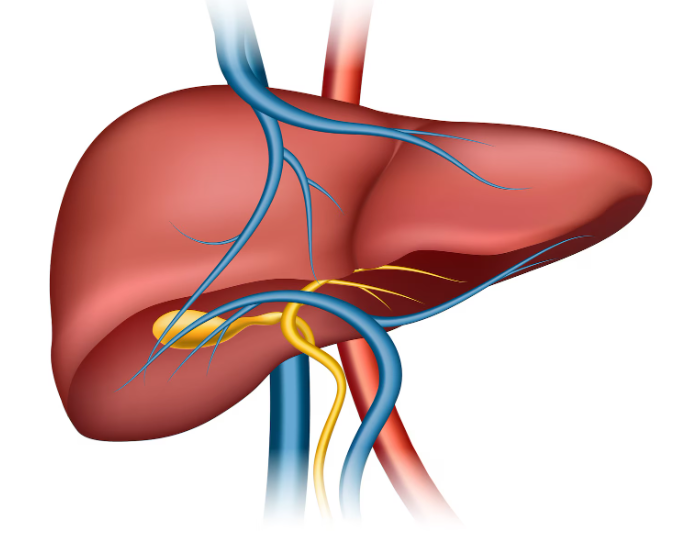
Overview Fatty liver disease, also known as hepatic steatosis, is a condition where excess fat accumulates in liver cells. It is increasingly common in Korea due to dietary habits, obesity, and metabolic syndrome. Early detection and lifestyle modifications are key to preventing progression to non-alcoholic steatohepatitis (NASH), cirrhosis, or liver cancer. What is Fatty Liver? […]
Farsightedness (Hyperopia) in Korea
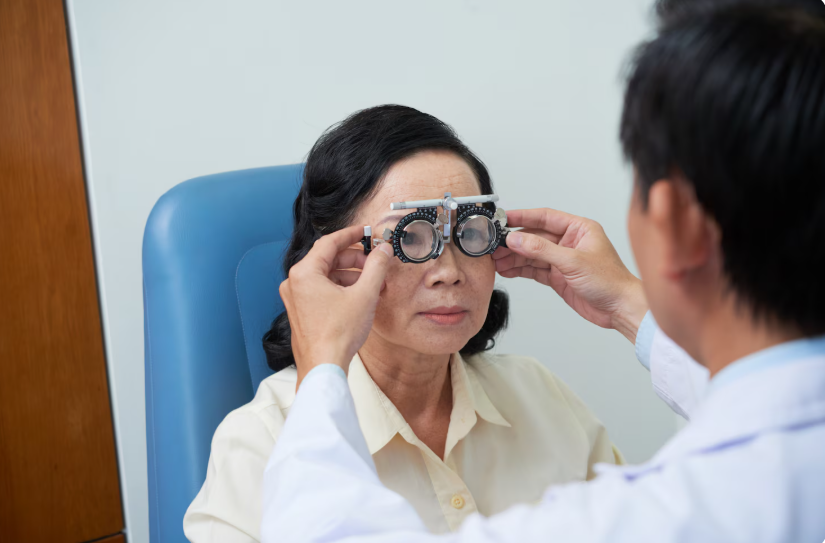
Causes Risk Factors Complications Prevention Treatment Options in Korea Diagnosis Medical Treatments Surgical or Advanced Therapies Rehabilitation and Support
Fanconi anemia in Korea
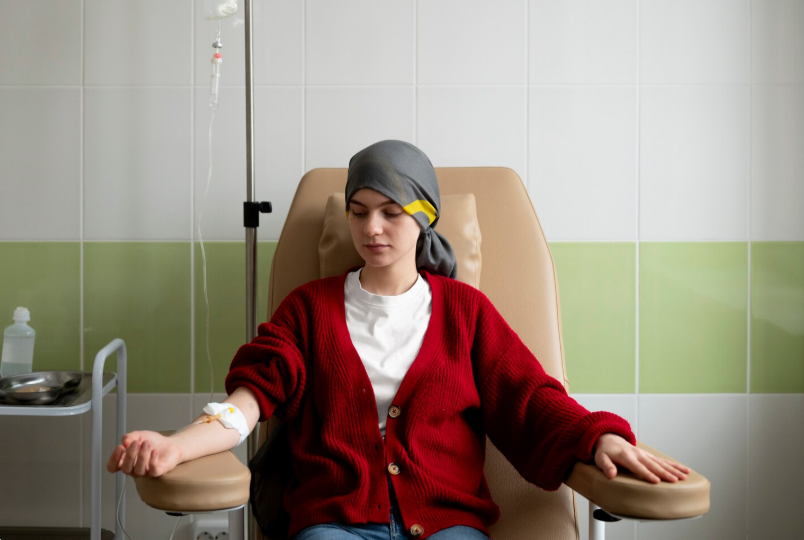
Overview Fanconi anemia (FA) is a rare inherited blood disorder characterized by bone marrow failure, congenital abnormalities, and increased cancer risk. In Korea, specialized hematology and genetic centers provide diagnostic testing, bone marrow transplantation, and supportive care, improving survival and quality of life for patients. What is Fanconi Anemia? Fanconi anemia is a genetic disorder […]
Familial hypercholesterolemia in Korea

Overview Familial hypercholesterolemia (FH) is a genetic disorder characterized by very high levels of low-density lipoprotein (LDL) cholesterol, which increases the risk of early-onset cardiovascular diseases. In Korea, awareness and early diagnosis of FH are growing, with specialized cardiology and lipid clinics offering treatment, genetic testing, and preventive strategies to reduce cardiovascular risk. What is […]
Familial adenomatous polyposis in Korea
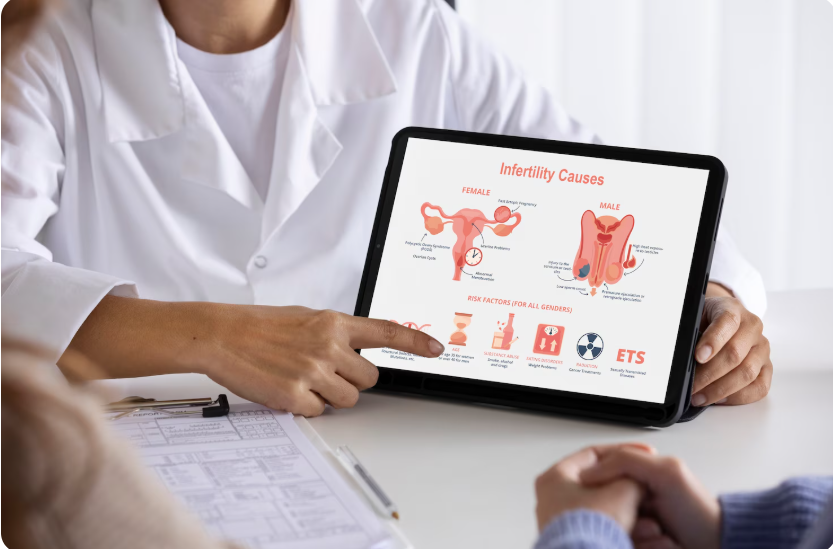
Overview Familial adenomatous polyposis (FAP) is a rare inherited disorder characterized by the development of hundreds to thousands of polyps in the colon and rectum, often during adolescence. Without treatment, FAP almost invariably leads to colorectal cancer. In Korea, early diagnosis through genetic testing and regular colonoscopic surveillance allows for timely interventions, including surgery and […]
Fallopian tube cancer in Korea
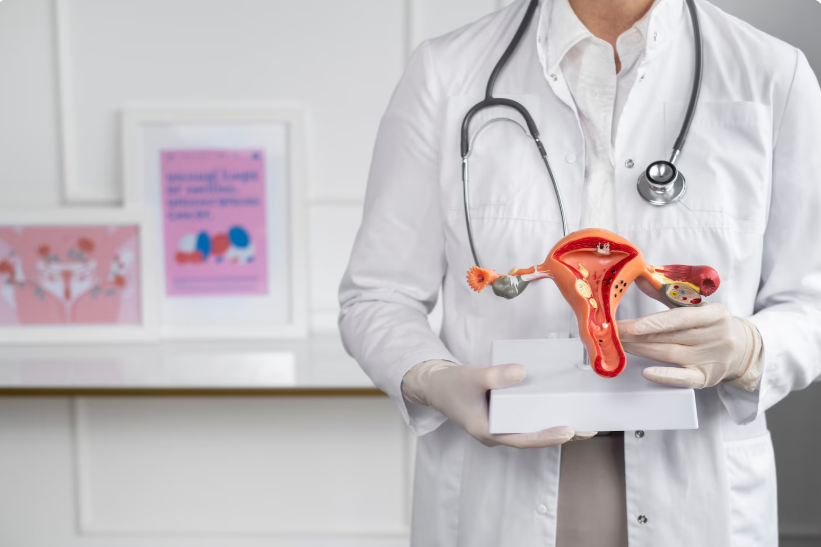
Overview Fallopian tube cancer is a rare gynecological malignancy that originates in the fallopian tubes, which connect the ovaries to the uterus. Though uncommon, early detection is crucial for effective treatment. In Korea, advanced oncology centers, minimally invasive surgery, and targeted therapies provide comprehensive care for patients diagnosed with fallopian tube cancer. What is Fallopian […]