
Food poisoning in Korea

Overview Food poisoning, also known as foodborne illness, occurs when contaminated food or beverages containing harmful bacteria, viruses, parasites, or toxins are consumed. It leads to a variety of gastrointestinal and systemic symptoms. In Korea, food poisoning cases often spike during summer months due to high humidity and temperature, which allow bacteria to multiply rapidly. […]
Food allergies (in children) in Korea

Overview Food allergies in children are a growing concern worldwide, including in Korea. A food allergy is an abnormal immune system response to proteins in specific foods, leading to a range of symptoms that may affect the skin, digestive system, or respiratory system. In Korea, the prevalence of food allergies in children has been rising, […]
Food allergies in Korea

Overview Food allergies are immune system reactions to certain foods that the body mistakenly identifies as harmful. Symptoms can range from mild itching or hives to severe anaphylaxis, which can be life-threatening. In Korea, awareness of food allergies has increased, and medical facilities provide diagnosis, treatment, and management plans for patients, including children and adults. […]
Folliculitis in Korea
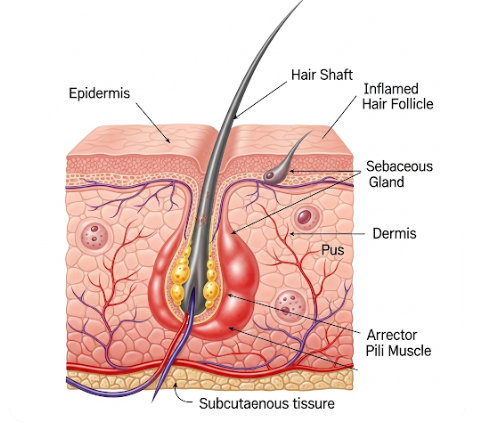
Overview Folliculitis is a common skin condition in which hair follicles become inflamed, often due to bacterial, fungal, or viral infections. While generally mild, folliculitis can cause discomfort, itching, and sometimes scarring if untreated. In Korea, dermatology clinics provide modern diagnostic and treatment approaches, including topical therapies, antibiotics, laser treatment, and preventive skincare guidance. What […]
Focal segmental glomerulosclerosis in Korea
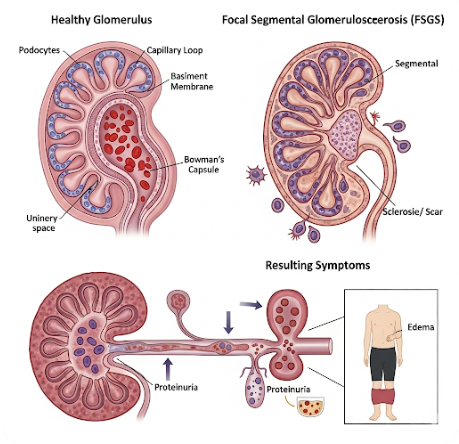
Overview Focal Segmental Glomerulosclerosis (FSGS) is a serious kidney disorder characterized by scarring in certain segments of the glomeruli, the tiny filtering units of the kidney. This condition can lead to proteinuria, nephrotic syndrome, and progressive kidney failure if untreated. In Korea, FSGS is managed by nephrology specialists, and treatment often involves medication, lifestyle modifications, […]
Fluid retention in Korea

Overview Fluid retention, also known as edema, is a condition where excess fluid builds up in the body’s tissues, causing swelling in areas like the legs, ankles, feet, or hands. In Korea, fluid retention is evaluated and treated in cardiology, nephrology, and internal medicine clinics, as it can be a symptom of underlying health issues […]
Flu (Influenza) in Korea
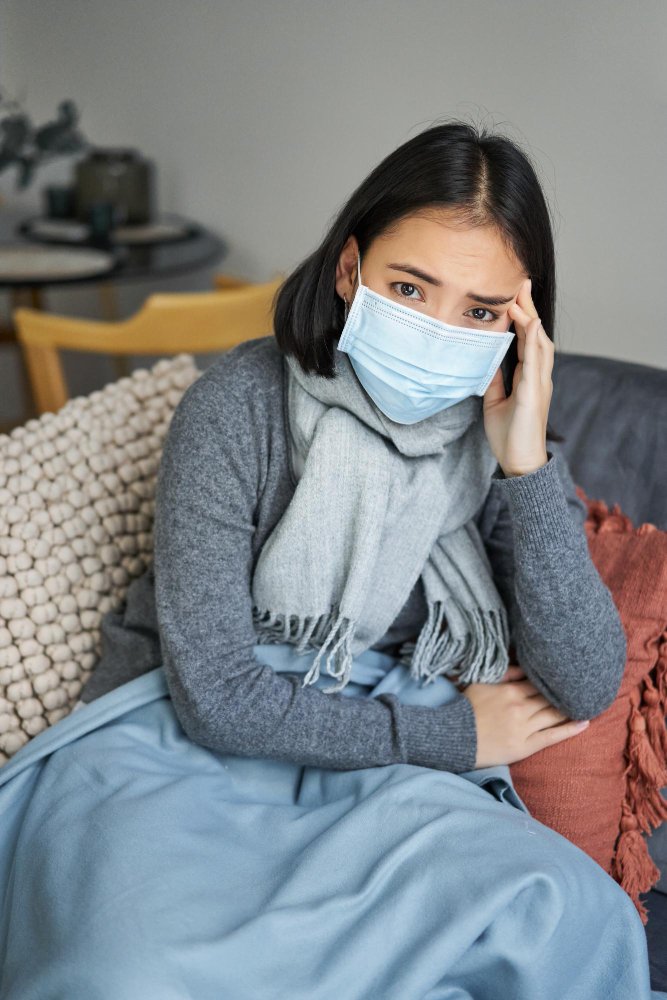
Overview Influenza, commonly known as the flu, is an acute viral infection that affects the respiratory system, including the nose, throat, and lungs. It is highly contagious and can cause seasonal outbreaks, particularly in winter. In Korea, influenza is closely monitored by the Korea Disease Control and Prevention Agency (KDCA), and vaccination campaigns are widely […]
Floaters in Korea

Overview Floaters are small shapes or spots that appear to drift through the field of vision, commonly noticed when looking at a bright background, such as the sky or a white wall. They are usually caused by age-related changes in the vitreous gel inside the eye. In Korea, ophthalmology clinics provide advanced eye examinations and […]
Floppy baby syndrome in Korea

Overview Floppy Baby Syndrome, also called hypotonia, is a condition in which infants exhibit reduced muscle tone, making their bodies appear unusually floppy or weak. In Korea, early recognition is crucial as hypotonia can be a sign of underlying neuromuscular, metabolic, or genetic disorders. Pediatric specialists focus on diagnosis, supportive care, and rehabilitation to promote […]
Flatulence in Korea
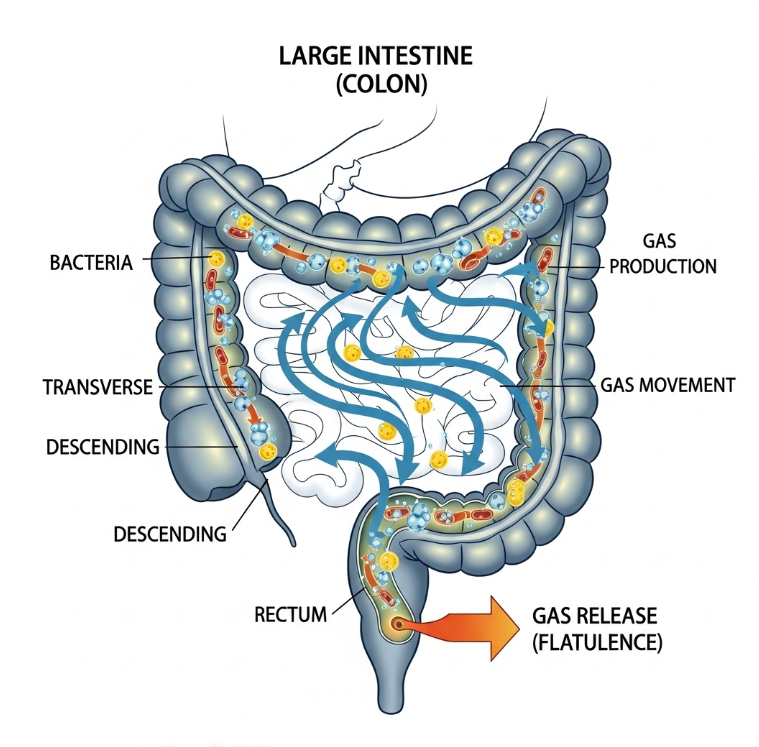
Overview Flatulence, commonly known as excessive gas or bloating, is a digestive condition where gas accumulates in the stomach or intestines and is released through the rectum. While usually harmless, chronic flatulence can cause discomfort, social embarrassment, and indicate underlying digestive disorders. In Korea, gastroenterology clinics offer modern diagnostic and treatment options for flatulence, including […]