
Fits in Korea

Overview “Fits” is a colloquial term commonly used to describe seizures—sudden, uncontrolled electrical disturbances in the brain that can cause changes in behavior, movements, sensations, or consciousness. In Korea, seizures are treated under neurology and pediatric departments, depending on the patient’s age, type of seizure, and underlying cause. Modern hospitals in Korea provide advanced EEG […]
Flat feet (fallen arches) in Korea

Overview Flat feet, also known as fallen arches, is a condition where the arches of the feet collapse, causing the entire sole to touch the ground. This condition can affect children and adults, sometimes causing pain, altered gait, and postural issues. In Korea, flat feet are commonly evaluated in orthopedic and rehabilitation clinics, and treatment […]
Flat feet in Korea

Overview Flat feet, also known as fallen arches, is a condition where the arch of the foot collapses, causing the entire sole to touch the ground when standing. While many people experience no symptoms, pain, discomfort, or gait issues can occur in some cases. In Korea, flat feet are commonly seen in children and adults, […]
Fissured tongue in Korea
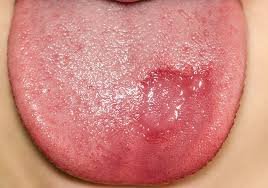
Overview Fissured tongue is a benign condition characterized by deep grooves or fissures on the surface of the tongue. While usually asymptomatic, it can sometimes cause discomfort, especially if food debris or bacteria accumulate in the grooves, leading to bad breath or mild irritation. In Korea, fissured tongue is commonly diagnosed during routine dental or […]
Finger infections in Korea
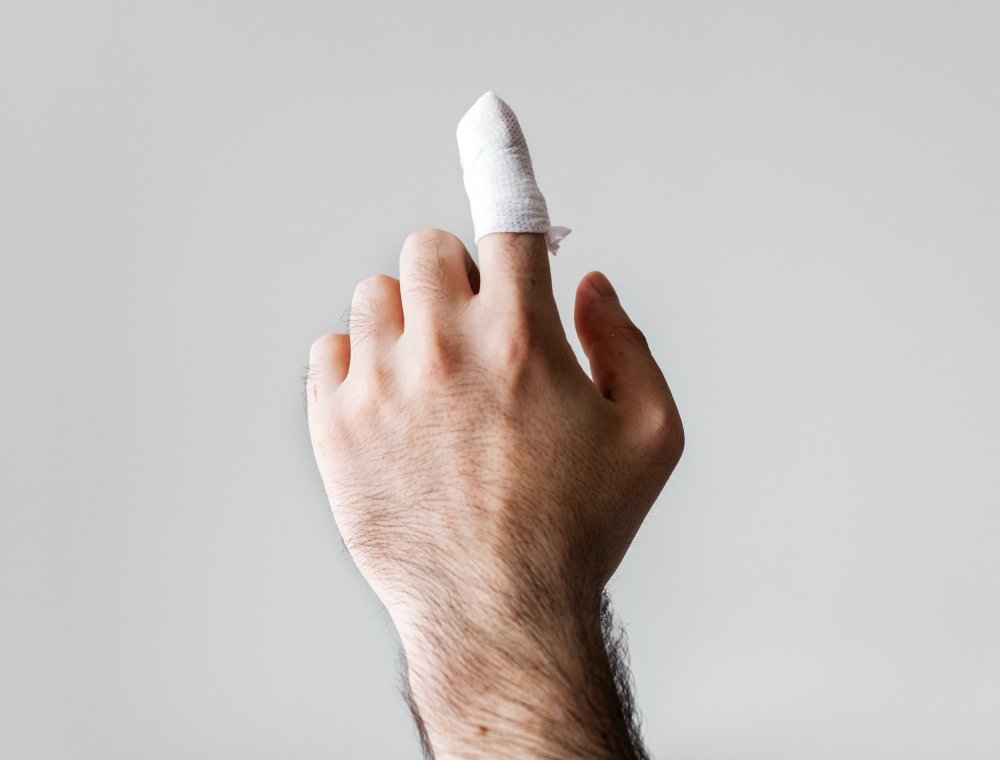
Overview Finger infections are common conditions affecting the skin, soft tissues, and sometimes bones of the fingers. These infections can range from mild bacterial infections to more severe conditions like paronychia, felon, or osteomyelitis. In Korea, finger infections are promptly treated in both primary care clinics and specialized hand surgery departments. Early treatment is essential […]
Filariasis in Korea
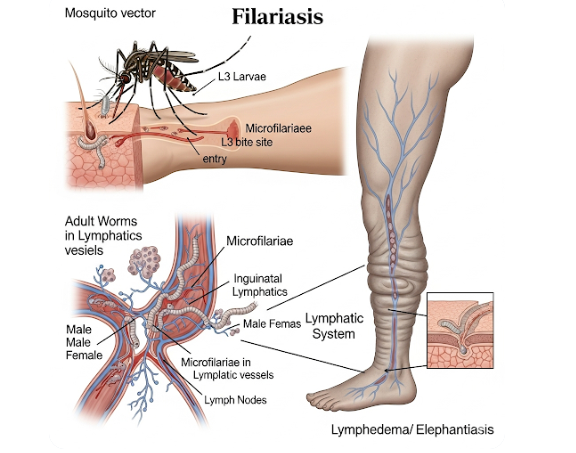
Overview Filariasis is a parasitic disease caused by thread-like filarial worms that infect the lymphatic system. It is transmitted through mosquito bites carrying the larvae. While filariasis is rare in Korea, cases may occur in travelers returning from endemic regions in Southeast Asia, Africa, or the Pacific Islands. The disease can cause chronic swelling, lymphatic […]
Fifth disease (Erythema infectiosum) in Korea
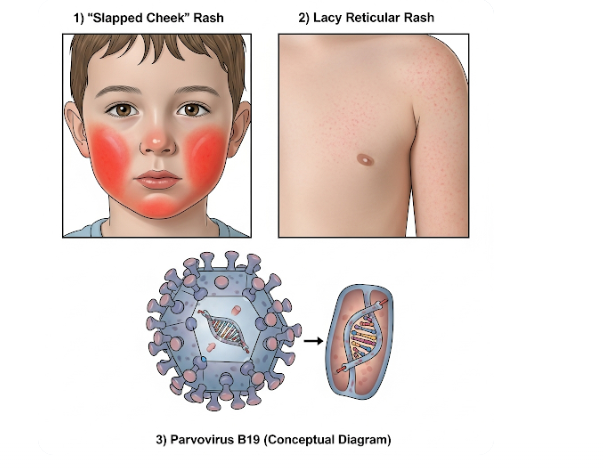
Overview Fifth disease, also called erythema infectiosum, is a viral childhood illness caused by parvovirus B19. It is commonly known as the “slapped cheek disease” because of the distinctive red rash on the face. While most cases occur in children, adults can also be infected and often experience joint pain rather than rash. In Korea, […]
Fifth disease in Korea
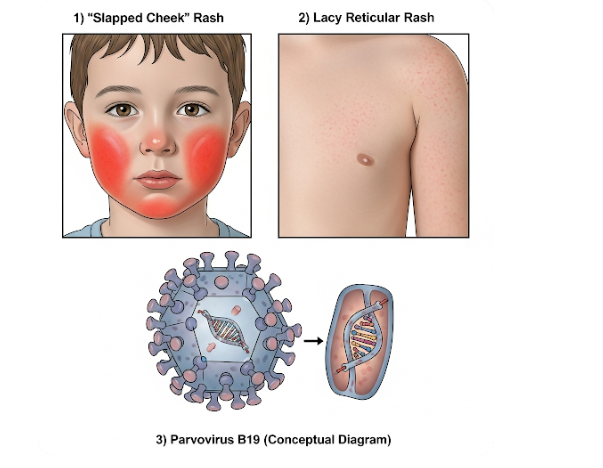
Overview Fifth disease, also known as erythema infectiosum, is a common viral infection in children caused by parvovirus B19. It is sometimes called the “slapped cheek disease” because of the bright red rash that appears on the face. While it mainly affects children aged 5–15, adults can also be infected and may experience more severe […]
Fibromatosis in Korea
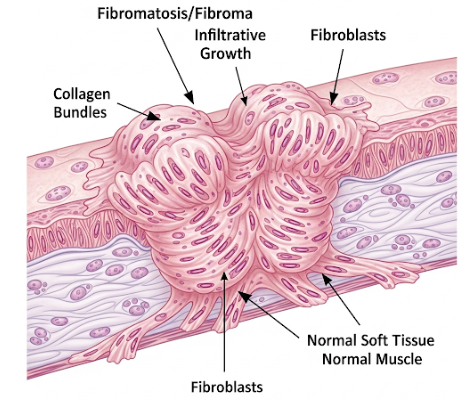
Overview Fibromatosis refers to a group of rare, benign (non-cancerous) but locally aggressive soft tissue tumors that arise from fibroblasts (cells responsible for connective tissue formation). Unlike typical tumors, fibromatosis does not metastasize (spread to distant organs), but it can invade surrounding tissues and cause significant complications. In Korea, fibromatosis is treated with a multidisciplinary […]
Fibroids (Uterine) in Korea

Overview Uterine fibroids, also known as leiomyomas or myomas, are non-cancerous growths that develop in the muscular wall of the uterus. They are one of the most common gynecological conditions affecting women of reproductive age, particularly between 30 and 50 years old. Although they are benign, fibroids can cause significant health issues such as heavy […]