
Frostbite in Korea
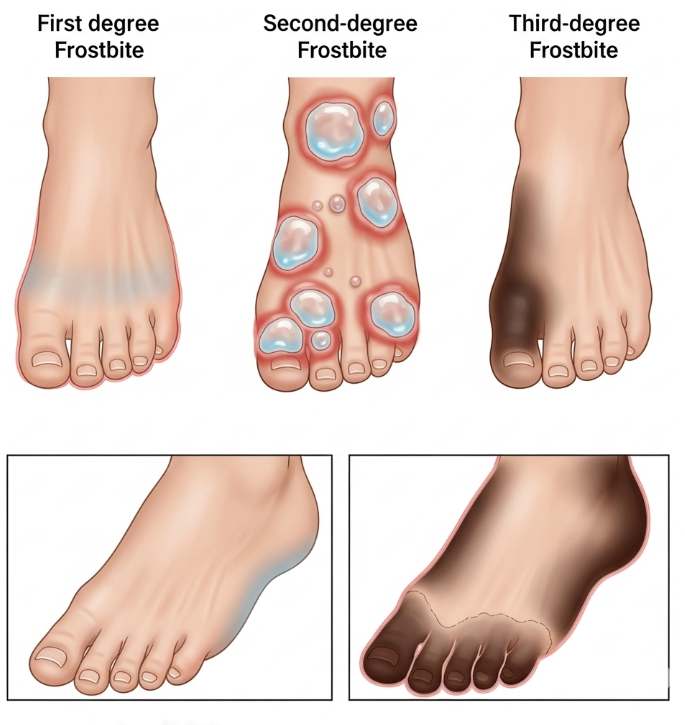
Overview Frostbite is a condition where skin and underlying tissues freeze due to prolonged exposure to extreme cold. It can result in permanent tissue damage if not treated promptly. In Korea, frostbite is most commonly seen during harsh winter months, particularly among people who work outdoors, hikers, and mountaineers in mountainous regions. Awareness and preventive […]
Frontal lobe epilepsy in Korea

Overview Frontal Lobe Epilepsy (FLE) is a neurological disorder in which seizures originate in the frontal lobes of the brain, the regions responsible for movement, speech, behavior, and executive functions. It is one of the less common types of epilepsy, but seizures can be frequent and brief, sometimes occurring multiple times a day. In Korea, […]
Friction burns in Korea

Risk Factors Complications If not treated properly, friction burns may lead to: Prevention Treatment Options in Korea Diagnosis Medical Treatments Surgical or Advanced Therapies In Korea, advanced burn care centers provide cutting-edge options: Rehabilitation and Support
Freckle disorders in Korea
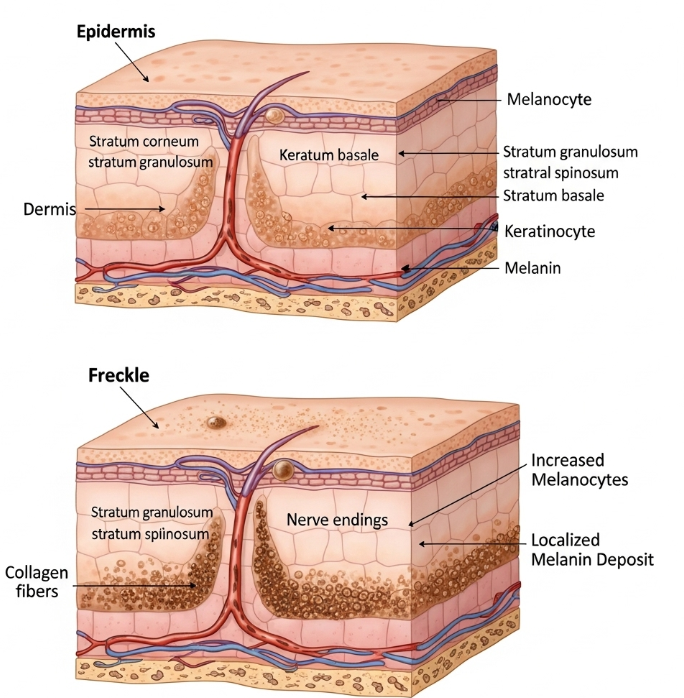
Overview Freckle disorders are a group of skin pigmentation conditions characterized by the appearance of small, flat, brownish spots, usually on sun-exposed areas of the body, such as the face, arms, and shoulders. While freckles are generally harmless and not considered a medical disease, they can be a cosmetic concern for many people. In dermatology, […]
Fragile X syndrome in Korea
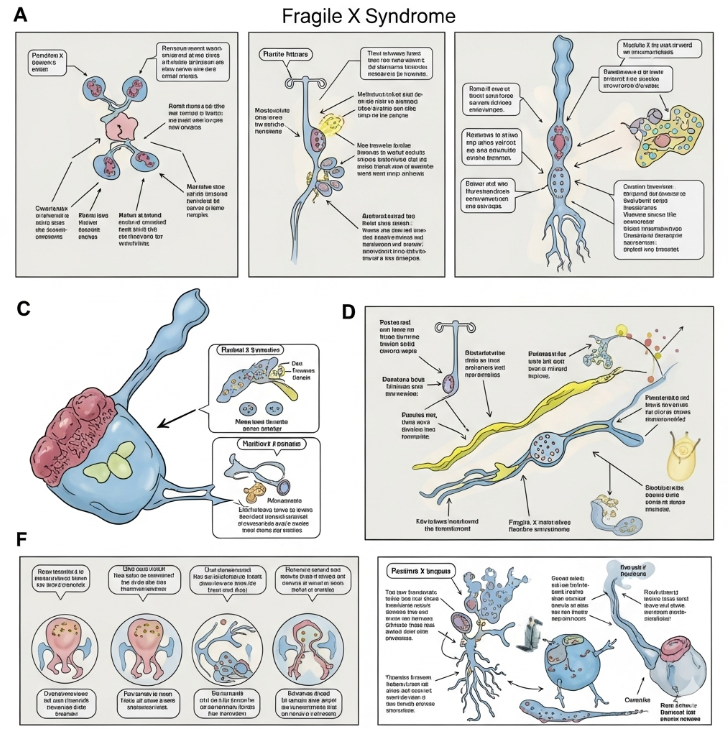
Overview Fragile X Syndrome (FXS) is a rare genetic disorder and the most common inherited cause of intellectual disability. It results from a mutation in the FMR1 gene on the X chromosome, leading to the absence or deficiency of the FMRP protein, which is essential for normal brain development and function. The condition affects both […]
Fractures in Korea
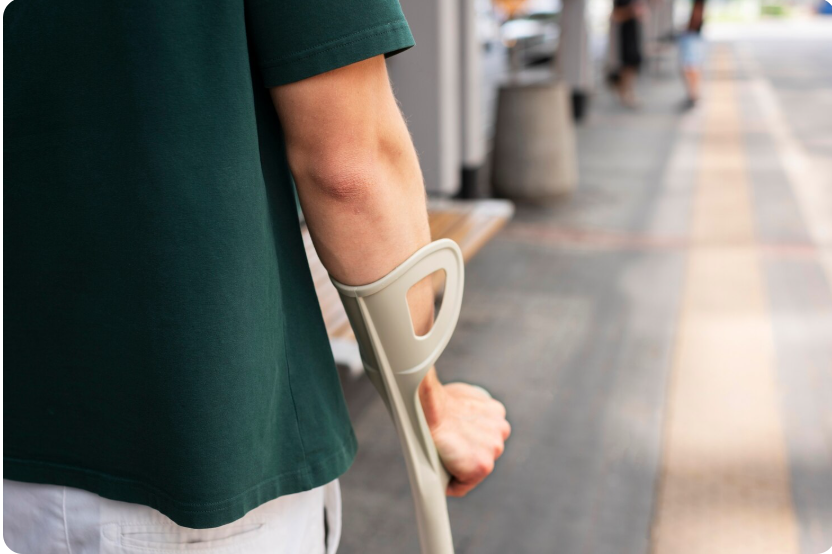
Overview A fracture refers to a break or crack in a bone, often caused by trauma, accidents, falls, or underlying medical conditions such as osteoporosis. Fractures range from minor cracks to severe breaks that penetrate through the skin. They are one of the most common orthopedic emergencies worldwide. In Korea, orthopedic medicine is highly advanced, […]
Foreign object inhalation in Korea

Overview Foreign object inhalation (also known as foreign body aspiration) occurs when a solid or liquid object enters the airway or lungs instead of the digestive tract. It is a life-threatening emergency that requires immediate medical attention. This condition is most common in children under 5 years, but it can also occur in adults with […]
Foreign object ingestion in Korea
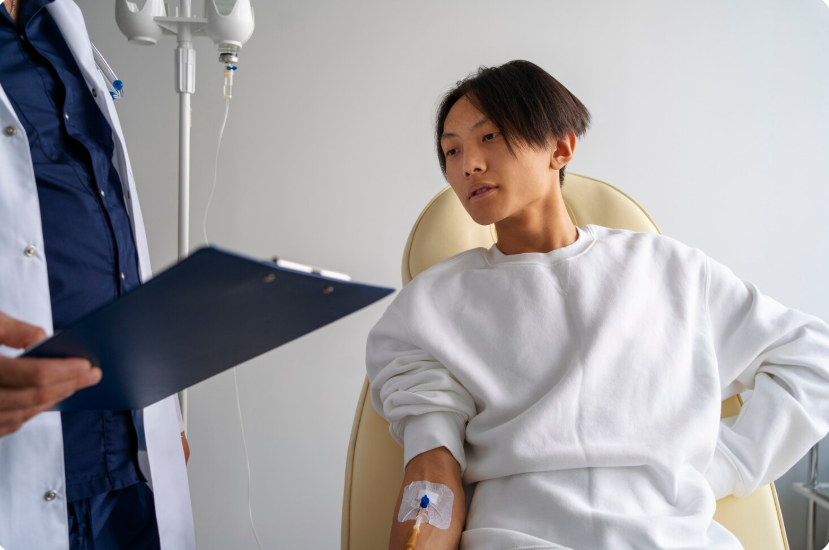
Overview Foreign object ingestion occurs when a person swallows non-food items such as coins, buttons, batteries, fish bones, magnets, or sharp objects. It is a frequent medical emergency, especially in children, psychiatric patients, and individuals with cognitive impairments. In Korea, where fish and bone-containing dishes are commonly consumed, accidental ingestion of bones is one of […]
Foot fracture in Korea

Overview A foot fracture refers to a break in one or more of the bones in the foot. Since the foot is composed of 26 bones, fractures can occur in the toes (phalanges), midfoot (metatarsals), or hindfoot (tarsal bones such as the calcaneus and talus). In Korea, foot fractures are fairly common due to sports […]
Foot drop in Korea
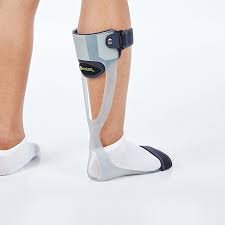
Overview Foot drop, also known as drop foot, is a condition characterized by difficulty lifting the front part of the foot, leading to dragging of the toes when walking. It is not a disease itself but a symptom of an underlying neurological, muscular, or anatomical disorder. In Korea, foot drop is commonly associated with conditions […]