
Systolic hypertension in Korea

Overview Systolic hypertension is a condition where the systolic blood pressure (the top number in a reading) is elevated, usually above 140 mmHg, while the diastolic pressure may remain normal. It is more common in older adults but can also occur in younger individuals. Persistent systolic hypertension increases the risk of heart disease, stroke, and […]
Synovial giant cell tumor in Korea
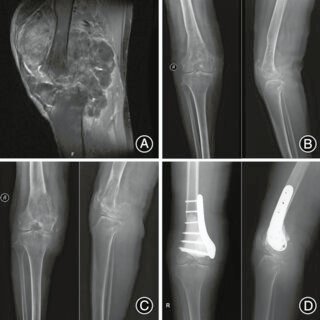
Overview A synovial giant cell tumor (SGCT), also known as tenosynovial giant cell tumor (TGCT), is a rare, typically benign tumor that arises from the lining of joints, bursae, or tendon sheaths. Although non-cancerous, these tumors can be locally aggressive, causing joint damage, pain, and swelling. Early diagnosis and surgical management are essential for preserving […]
Systemic yeast infection in Korea

Overview A systemic yeast infection, also known as invasive candidiasis, is a serious fungal infection that spreads beyond the skin and mucous membranes into the bloodstream or internal organs such as the brain, heart, kidneys, and eyes. It is most commonly caused by Candida species, particularly Candida albicans, and can become life-threatening, especially in immunocompromised […]
Systolic dysfunction in Korea

Overview Systolic dysfunction refers to the impaired ability of the heart’s left ventricle to contract and pump blood effectively. It is a major cause of heart failure and is often identified by a reduced ejection fraction (HFrEF). Early diagnosis and treatment are crucial to manage symptoms and prevent complications. What is Systolic Dysfunction? Systolic dysfunction […]
Systemic tuberculosis in Korea
Overview Systemic Tuberculosis (TB) is a severe form of tuberculosis infection that affects multiple organs or systems beyond the lungs. Unlike pulmonary TB, systemic TB can involve lymph nodes, bones, kidneys, the central nervous system, and other tissues. It requires prompt diagnosis and comprehensive treatment to prevent serious complications and mortality. What is Systemic Tuberculosis? […]
Systemic lipid storage disease in Korea

Overview Systemic Lipid Storage Diseases are a group of rare inherited metabolic disorders characterized by abnormal accumulation of lipids (fats) in various tissues and organs throughout the body. This accumulation leads to progressive damage affecting the liver, muscles, nervous system, and other organs. Early diagnosis and management are essential to slow disease progression and improve […]
Synovial plica syndrome in Korea

Overview Synovial Plica Syndrome is a condition characterized by irritation or inflammation of the synovial plica—folds of the synovial membrane inside the knee joint. These plica can become thickened or irritated due to injury or overuse, causing knee pain and limited movement. Though often overlooked, proper diagnosis and treatment are important to restore knee function […]
Syndrome of resistance to thyroid hormone in Korea

Overview Syndrome of Resistance to Thyroid Hormone (RTH) is a rare genetic disorder characterized by the body’s reduced responsiveness to thyroid hormones. Despite normal or elevated levels of thyroid hormones in the blood, tissues fail to respond properly, leading to a mix of symptoms that can mimic both hypothyroidism and hyperthyroidism. What is Syndrome of […]
Synechiae in the eye in Korea

Overview Synechiae refers to abnormal adhesions between the iris and other structures in the eye, such as the cornea or lens. These adhesions can disrupt normal eye function and lead to complications including increased eye pressure and vision problems. Early diagnosis and treatment are vital to prevent long-term damage. What is Synechiae in the Eye? […]
Symptomatic anemia in Korea

Overview Symptomatic anemia is a condition where the decreased number of red blood cells or hemoglobin leads to noticeable symptoms affecting the body’s ability to carry oxygen efficiently. It is often a sign of underlying disease or deficiency and can impact overall health and daily functioning. What is Symptomatic Anemia? Anemia occurs when the blood […]