
Synovial fluid leak in Korea

Overview A synovial fluid leak occurs when the lubricating fluid produced by a joint’s synovial membrane escapes the joint capsule into surrounding tissues or out through a wound or sinus tract. Leaks can result from trauma, joint surgery, degenerative tears, or inflammatory disease and may cause swelling, pain, or a persistent drainage tract. In Korea, […]
Systemic lupus pneumonitis in Korea

Overview Systemic lupus pneumonitis is an uncommon but serious lung complication of systemic lupus erythematosus (SLE), an autoimmune disease where the immune system attacks healthy tissues. Pneumonitis refers to inflammation of lung tissue, which can cause breathing difficulties and other respiratory symptoms. This condition may occur during lupus flares and requires timely diagnosis and treatment […]
Systemic enterovirus in Korea

Overview Systemic enterovirus infection is a condition where enteroviruses spread throughout the body, potentially affecting multiple organs beyond the gastrointestinal tract. While many enterovirus infections are mild, systemic involvement can lead to severe complications such as myocarditis, encephalitis, or sepsis-like illness. In Korea, public health systems closely monitor enterovirus outbreaks, especially in children, due to […]
Synovial inflammation in Korea
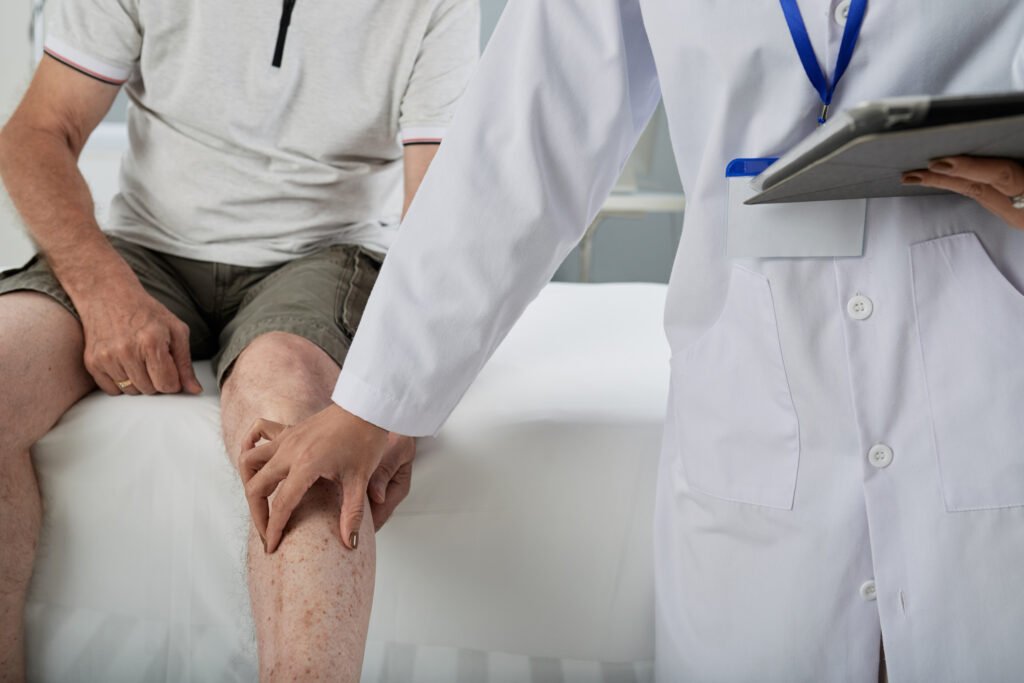
Overview Synovial inflammation refers to the swelling and irritation of the synovial membrane, which lines the joints. This membrane produces synovial fluid that lubricates and nourishes cartilage. Inflammation can result from injury, overuse, autoimmune disorders, or infection, leading to pain, stiffness, and restricted movement. Early detection and treatment are essential to prevent chronic joint damage. […]
Surgical site infection in Korea
Overview Surgical site infection (SSI) is an infection that occurs at or near a surgical incision within 30 days of an operation or within 90 days if a prosthetic implant is placed. It is one of the most common postoperative complications, potentially leading to prolonged hospital stays, increased healthcare costs, and, in severe cases, life-threatening […]
Synovial osteochondromatosis in Korea
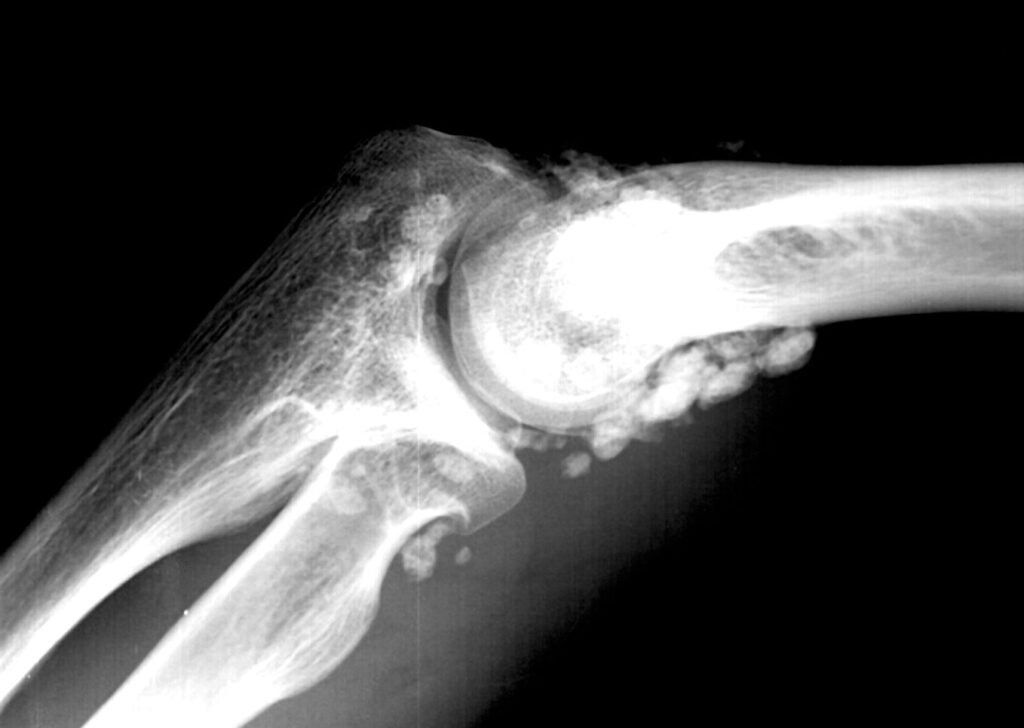
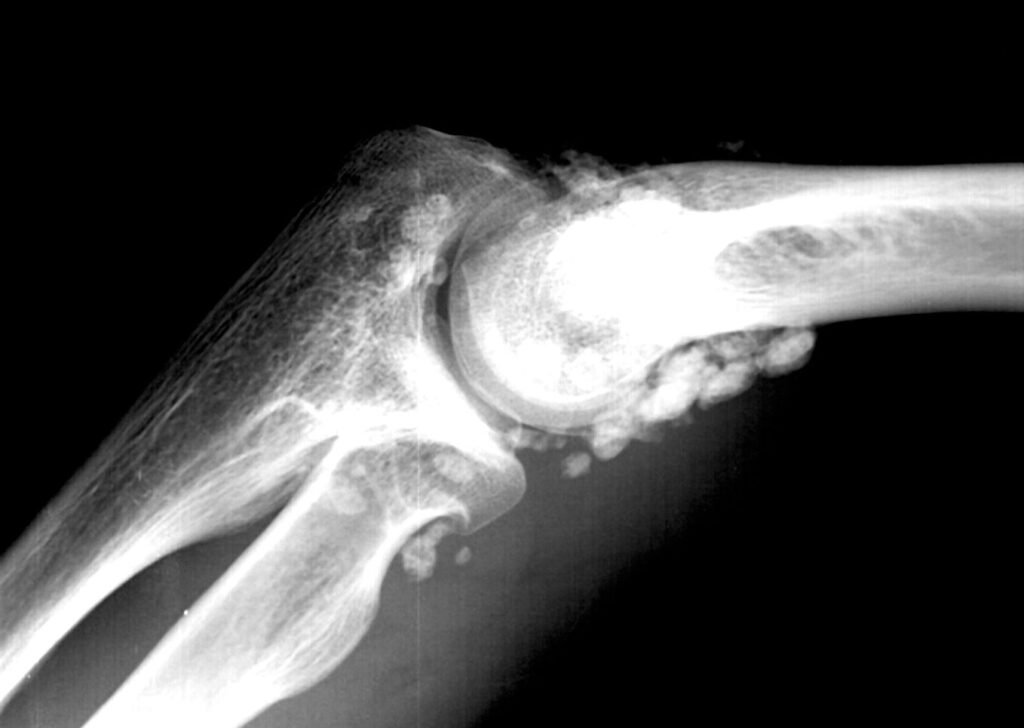
Overview Synovial osteochondromatosis is a rare, benign joint disorder in which the synovial membrane of a joint produces multiple small nodules of cartilage. These nodules can detach, become loose bodies, and sometimes calcify within the joint space, leading to pain, swelling, and limited range of motion. The condition can be primary (without an underlying cause) […]
Surgical emphysema in Korea

Overview Surgical emphysema, also known as subcutaneous emphysema, is a medical condition where air becomes trapped under the skin, typically in the subcutaneous tissues. It often occurs after surgery or trauma and is characterized by swelling and a crackling sensation upon touch. While it is usually harmless and resolves on its own, it can be […]
Systemic infection in Korea
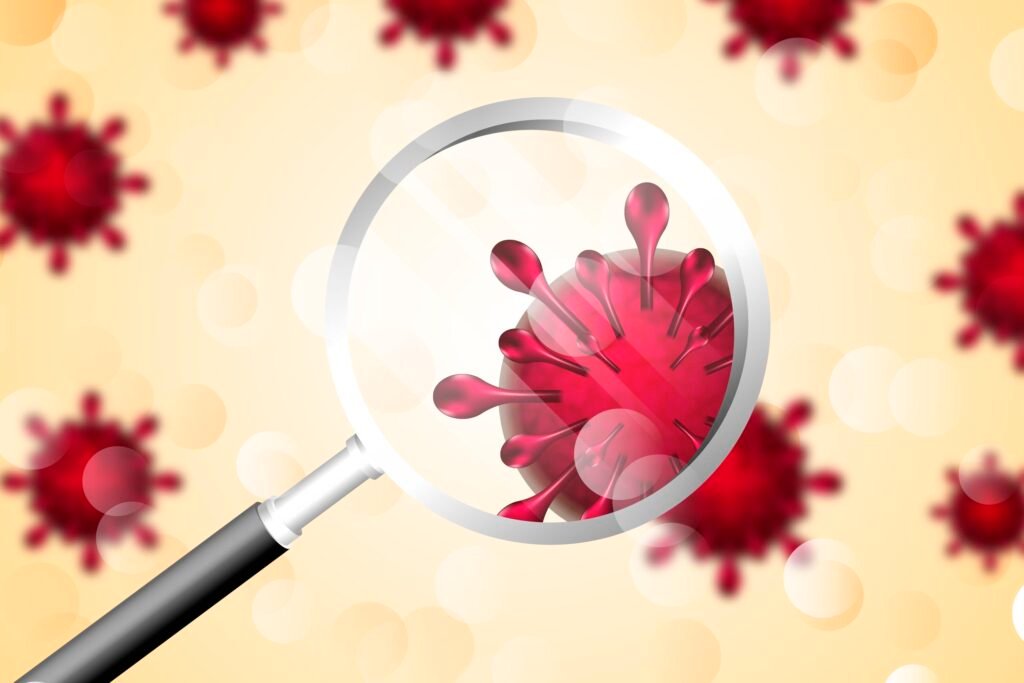
Causes Systemic infections can be caused by: Risk Factors Complications If untreated or poorly managed, systemic infections can lead to: Prevention Treatment Options in Korea South Korea offers advanced medical care for systemic infections, combining rapid diagnostics and specialized treatments:
Symmetric polyarthritis in Korea
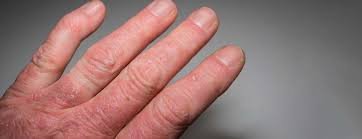
Overview Symmetric polyarthritis is a condition characterized by inflammation affecting the same joints on both sides of the body, such as both wrists, knees, or hands. This pattern of joint involvement is commonly seen in autoimmune diseases like rheumatoid arthritis and lupus. The condition often leads to joint pain, swelling, stiffness, and functional limitations, potentially […]
Systemic fungal infection in Korea
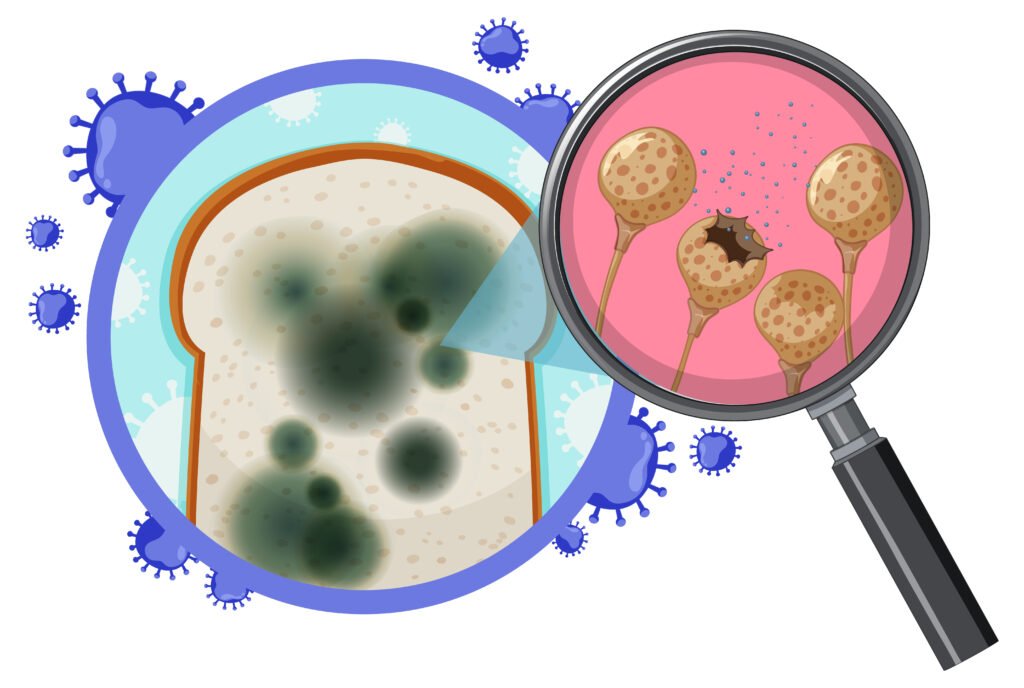
Overview Systemic fungal infection, also called invasive fungal infection, is a severe condition where fungal pathogens spread beyond the skin or mucous membranes into the bloodstream or internal organs. It can be life-threatening, particularly in individuals with weakened immune systems. In Korea, rapid diagnosis and specialized antifungal treatment are crucial due to the high mortality […]