
Synovial pseudotumor in Korea

Overview Synovial pseudotumor is a noncancerous mass that arises from the synovial membrane lining joints, tendons, or bursae. It is often related to chronic inflammation, trauma, or repetitive joint use. Although benign, these growths can cause pain, swelling, and limited joint movement if left untreated. What is Synovial Pseudotumor? Synovial pseudotumor, sometimes called a synovial […]
Symmetric tonic neck reflex abnormality in Korea

Overview Symmetric Tonic Neck Reflex (STNR) abnormality is a neurological developmental reflex disorder typically seen in infants and young children. Normally, STNR helps coordinate movement between the head and limbs during early development. However, when the reflex persists abnormally beyond infancy, it can interfere with motor skills, posture, and coordination, often impacting learning and physical […]
Systolic heart failure in Korea

Overview Systolic heart failure, also known as heart failure with reduced ejection fraction (HFrEF), occurs when the heart’s left ventricle loses its ability to contract effectively. This condition results in insufficient blood being pumped to meet the body’s needs. In Korea, the incidence of systolic heart failure is rising due to an aging population and […]
Systemic vasculitis in Korea

Overview Systemic vasculitis refers to a group of disorders characterized by inflammation of blood vessels throughout the body. This inflammation can cause vessel wall thickening, weakening, narrowing, or scarring, leading to restricted blood flow and potential damage to organs and tissues. In Korea, systemic vasculitis is recognized as a rare but significant autoimmune condition that […]
Syntelin exposure in Korea

Overview Syntelin is a synthetic chemical compound classified as a mitotic kinesin Eg5 inhibitor, primarily used in experimental cancer research to block cell division. While not approved for clinical use, exposure to syntelin in laboratory or industrial settings poses potential health risks. In Korea, chemical safety regulations strictly monitor such compounds, but accidental or occupational […]
Synucleinopathy in Korea

Overview Synucleinopathies are a group of neurodegenerative diseases characterized by the abnormal accumulation of alpha-synuclein protein in the brain. These conditions progressively affect movement, cognition, and autonomic functions. In Korea, awareness and diagnosis of synucleinopathies have grown due to improved neurological research and access to advanced medical imaging and treatment facilities. What is Synucleinopathy? Synucleinopathies […]
Symptomatic bradycardia in Korea
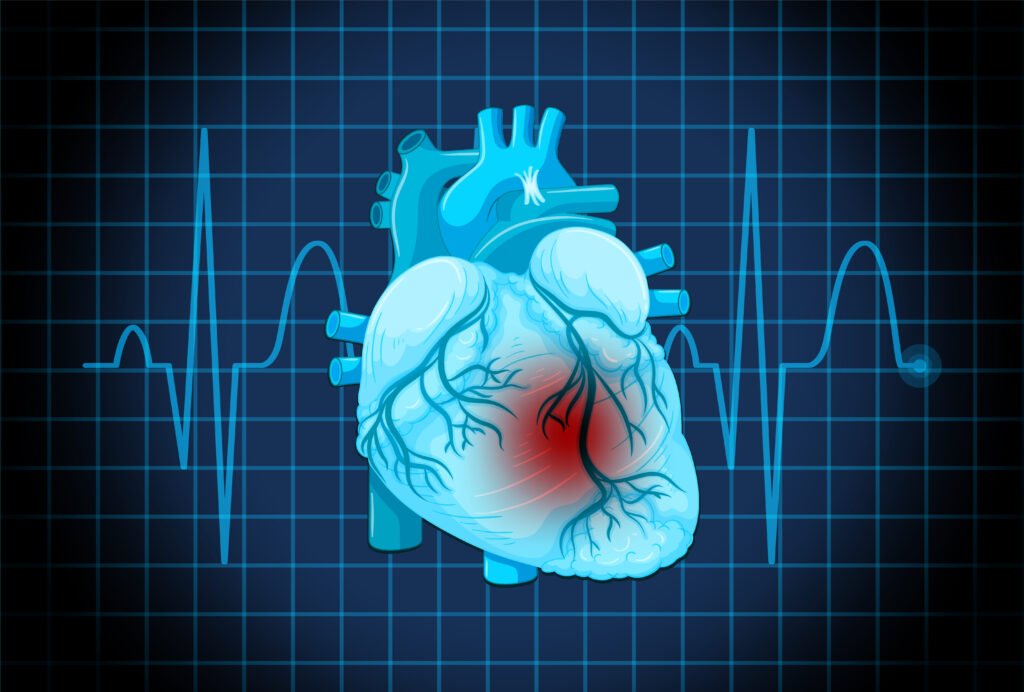
Symptomatic bradycardia is a condition characterized by a slower-than-normal heart rate accompanied by symptoms such as fatigue, dizziness, or fainting. While bradycardia itself may not always be dangerous, when it results in inadequate blood flow to the brain or other organs, it becomes a serious medical concern. In Korea, advancements in diagnostics and cardiac care […]
Symptomatic tachycardia in Korea

Overview Symptomatic tachycardia refers to an abnormally fast heart rate accompanied by noticeable symptoms such as palpitations, dizziness, or shortness of breath. It can be a sign of various underlying conditions, ranging from benign to life-threatening. In Korea, patients benefit from high-standard cardiology care, including rapid diagnosis, advanced electrophysiological studies, and effective treatment through medication, […]
Synovial sarcoma metastasis in Korea

Overview Synovial sarcoma is a rare and aggressive type of soft tissue cancer that most commonly arises near the joints in the arms or legs. It can metastasize (spread) to distant organs, particularly the lungs and lymph nodes. In Korea, early detection and advanced oncology services have significantly improved outcomes for patients with metastatic synovial […]
Syndrome of trephined in Korea

Overview The Syndrome of Trephined (also known as “sinking skin flap syndrome”) is a rare but serious complication following a decompressive craniectomy, a surgical procedure in which a portion of the skull is removed to relieve intracranial pressure. This condition can cause neurological deterioration due to changes in cerebral blood flow, brain shift, or atmospheric […]