
Plastic Bronchitis in Korea
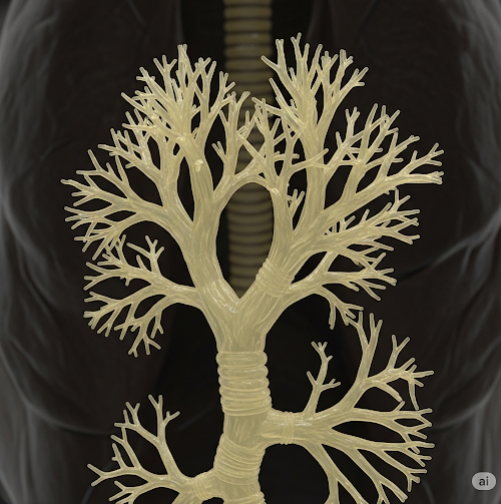
Overview Plastic bronchitis is a rare but potentially life-threatening respiratory condition characterized by the formation of large, rubbery or gelatinous bronchial casts — thick mucus plugs that mold into the shape of the airways. These casts can obstruct the bronchi (large airways in the lungs), leading to severe breathing difficulties or respiratory failure. It can […]
Plantar Warts in Korea
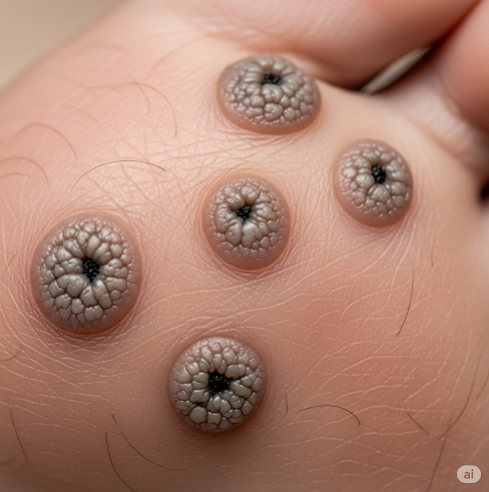
Overview Plantar warts are non-cancerous skin growths that appear on the soles (plantar surface) of the feet, caused by infection with the human papillomavirus (HPV). These warts are often hard, flat, and painful due to pressure from walking or standing. While generally harmless, they can cause discomfort and spread if left untreated. Plantar warts are […]
Plague in Korea

Overview Plague is a serious infectious disease caused by the bacterium Yersinia pestis. Historically known as the “Black Death,” plague has caused some of the most devastating pandemics in human history. Today, plague is rare but still occurs in some parts of the world. It can be life-threatening if not diagnosed and treated promptly but […]
Pituitary Tumors in Korea
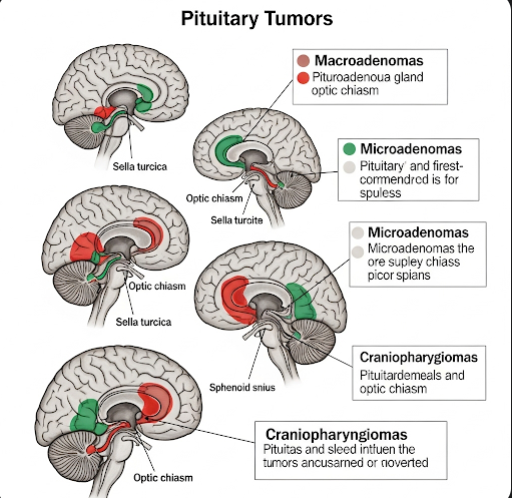
Overview Pituitary tumors are abnormal growths in the pituitary gland, a pea-sized organ located at the base of the brain that regulates many of the body’s essential hormones. Most pituitary tumors are noncancerous (benign) and slow-growing. However, even benign tumors can cause significant health problems by overproducing hormones or pressing on nearby structures, such as […]
Pituitary Dwarfism in Korea

Overview Pituitary dwarfism, also known as growth hormone deficiency (GHD) or dwarfism due to hypopituitarism, is a rare condition in which the pituitary gland fails to produce sufficient growth hormone (GH) during childhood. As a result, affected individuals experience significantly slower growth and attain shorter-than-average stature. Despite reduced height, body proportions typically remain normal. With […]
Pituitary Apoplexy in Korea
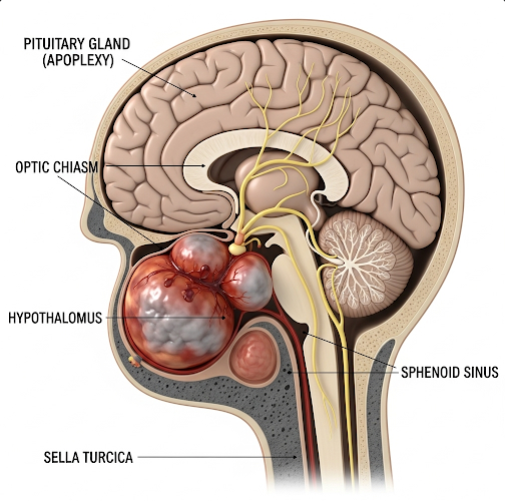
Overview Pituitary apoplexy is a rare but life-threatening medical emergency caused by sudden bleeding (hemorrhage) or impaired blood flow (infarction) in the pituitary gland, usually due to a pre-existing pituitary adenoma. This condition leads to rapid gland swelling, which can compress nearby structures in the brain and drastically reduce hormone production. Immediate medical and surgical […]
Pituitary Adenoma in Korea

Overview Pituitary adenoma is a generally benign (non-cancerous) tumor that develops in the pituitary gland, a small but vital endocrine gland located at the base of the brain. Although most pituitary adenomas are slow-growing and noncancerous, they can affect hormone production and compress nearby brain structures, leading to a wide range of hormonal, neurological, and […]
Pityriasis Rubra Pilaris in Korea

Overview Pityriasis rubra pilaris (PRP) is a rare, chronic skin disorder that causes constant inflammation, scaling, and thickening of the skin. It is characterized by reddish-orange patches, rough bumps around hair follicles, and thickened skin on the palms and soles. PRP can affect people of all ages and has several clinical subtypes. The condition can […]
Pityriasis Alba in Korea

Overview Pityriasis alba is a common, benign skin condition that primarily affects children and young adolescents. It appears as round or oval, pale, slightly scaly patches on the face, neck, and upper arms. While it is not harmful or contagious, it may cause cosmetic concerns, especially in individuals with darker skin. The exact cause is […]
Pinworm Infection in Korea

Overview Pinworm infection, also known as enterobiasis or oxyuriasis, is one of the most common types of intestinal parasitic infections, particularly among children. It is caused by a small, white, thread-like roundworm called Enterobius vermicularis. The infection is typically harmless but can cause intense itching and discomfort around the anal area. It spreads easily, especially […]