
Pink Disease (Acrodynia) in Korea

Overview Pink disease, also known as acrodynia, is a rare condition most commonly seen in infants and young children, historically caused by chronic mercury poisoning. The term “acrodynia” means “pain in the extremities,” reflecting the painful pink discoloration of the hands and feet that characterizes the condition. Although once relatively common due to the widespread […]
Pineal Tumor in Korea
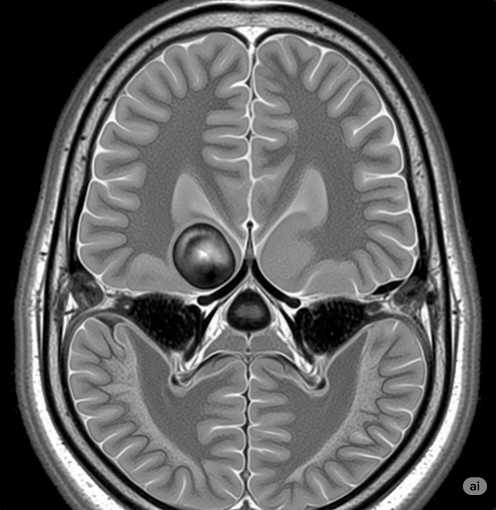
Overview A pineal tumor is a rare growth that develops in or around the pineal gland — a small, pea-shaped gland located deep in the center of the brain, between the two hemispheres. The pineal gland plays a key role in regulating circadian rhythms by producing the hormone melatonin. Although pineal tumors are uncommon, they […]
Pinched Nerve in Korea
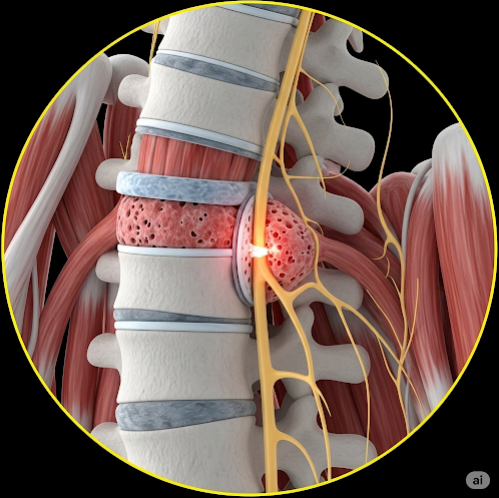
Overview A pinched nerve occurs when surrounding tissues — such as bones, cartilage, muscles, or tendons — apply too much pressure on a nerve. This compression disrupts the nerve’s function, causing pain, tingling, numbness, or weakness along the nerve’s path. Pinched nerves can occur in various parts of the body but are most commonly found […]
Pilonidal Abscess in Korea
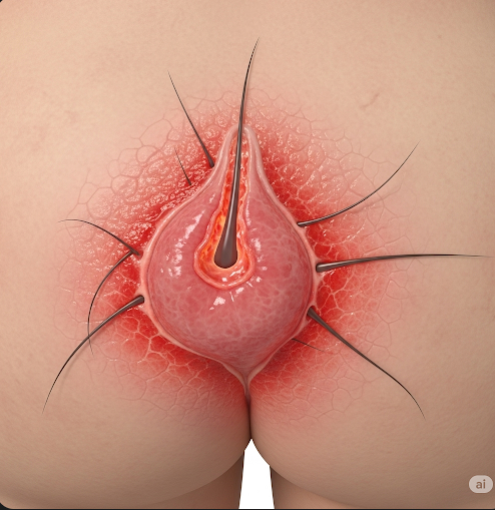
Overview A pilonidal abscess is a painful, pus-filled swelling that forms near the tailbone, typically in the cleft between the buttocks. It results from a pilonidal cyst becoming infected, leading to inflammation and the accumulation of pus. This condition most commonly affects young adults and can cause significant discomfort when sitting, walking, or performing daily […]
Pigmented Villonodular Synovitis in Korea
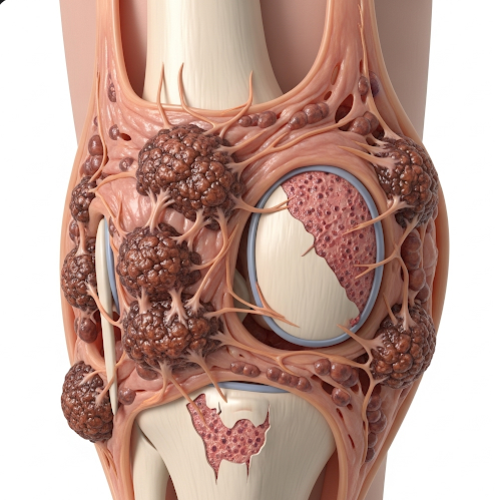
Overview Pigmented Villonodular Synovitis (PVNS) is a rare, benign but locally aggressive joint condition that causes abnormal thickening and overgrowth of the synovium — the soft tissue lining the joints and tendons. It typically affects a single joint, most commonly the knee, followed by the hip, ankle, and shoulder. Though non-cancerous, PVNS can lead to […]
Pigment Dispersion Syndrome in Korea
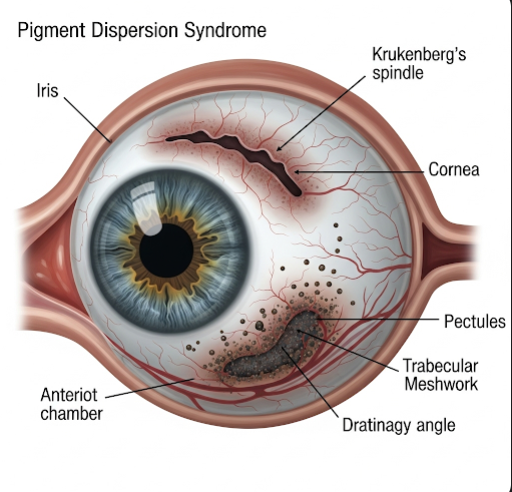
Overview Pigment Dispersion Syndrome (PDS) is an eye condition in which pigment granules, normally found on the back of the iris, are released into the clear fluid inside the eye (aqueous humor). These granules can accumulate in various parts of the eye, particularly the drainage canals, and may lead to elevated intraocular pressure (IOP), increasing […]
Pick’s Disease in Korea

Overview Pick’s disease is a rare and progressive type of dementia that primarily affects the frontal and temporal lobes of the brain. It is classified under a broader group of conditions known as frontotemporal dementia (FTD). Unlike Alzheimer’s disease, which often begins with memory loss, Pick’s disease usually presents with changes in personality, behavior, and […]
Pica Disorder in Korea

Overview Pica is a psychological disorder characterized by the persistent craving and compulsive consumption of non-nutritive, non-food substances over a period of at least one month. These substances may include items such as dirt, clay, paper, chalk, hair, or paint. Pica is most commonly observed in children, pregnant women, and individuals with developmental disabilities, but […]
Photokeratitis in Korea
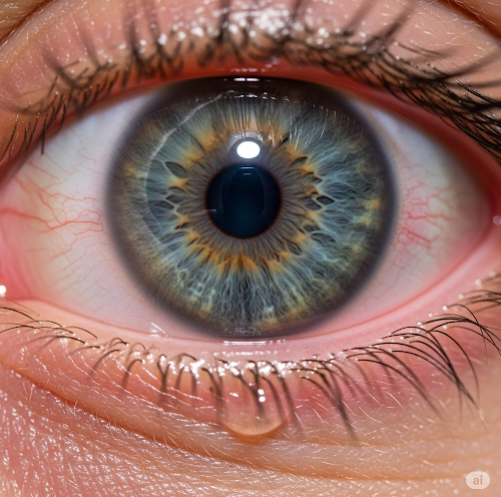
Overview Photokeratitis is a painful eye condition caused by acute overexposure to ultraviolet (UV) radiation. Often referred to as “sunburn of the eye” or “snow blindness,” it damages the corneal surface (the transparent front part of the eye), resulting in temporary vision loss, redness, and intense discomfort. It’s a preventable but potentially serious condition, especially […]
Photosensitive Epilepsy in Korea

Overview Photosensitive epilepsy is a form of epilepsy in which seizures are triggered by visual stimuli, particularly flashing or flickering lights and certain patterns. This condition typically begins in childhood or adolescence and is more common in individuals with generalized epilepsy. Though relatively rare, it can have a significant impact on daily life, especially in […]