
Poisoning (General) in Korea
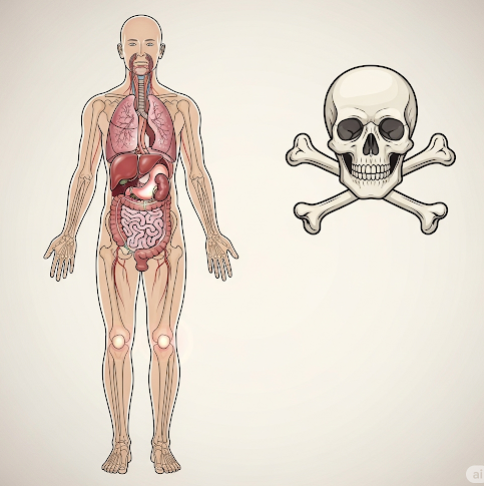
Overview Poisoning is a medical emergency that occurs when a person is exposed to a harmful substance that disrupts normal body functions. It can happen through ingestion, inhalation, injection, or skin absorption of toxic agents such as chemicals, medications, gases, plants, or contaminated food. Poisoning ranges from mild to life-threatening and can affect people of […]
Poison Sumac Rash in Korea
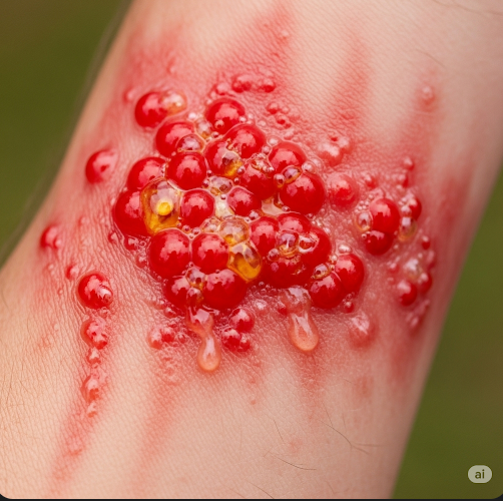
Overview Poison sumac rash is a painful, itchy skin reaction caused by contact with the urushiol oil found in poison sumac plants. While less common than poison ivy or oak, poison sumac typically causes a more severe allergic response, often with widespread blisters and intense inflammation. The rash itself is not contagious, but prompt treatment […]
Poison Oak Allergy in Korea
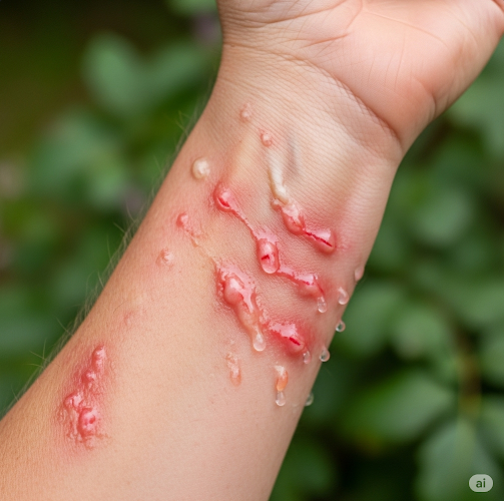
Overview Poison oak allergy is a common allergic skin reaction that occurs after contact with urushiol oil, a substance found in the leaves, stems, and roots of poison oak plants. The allergy results in itchy, red, blistering rashes that may appear in streaks or patches where the plant touched the skin. Though not life-threatening, the […]
Poison Ivy Rash in Korea
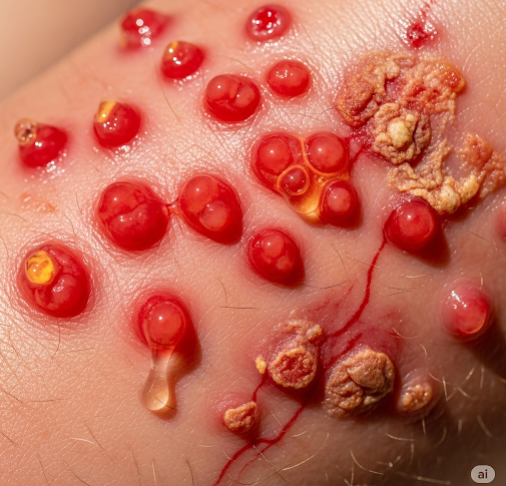
Overview Poison ivy rash is a common allergic skin reaction caused by contact with the oil urushiol, found in poison ivy, poison oak, and poison sumac plants. The rash is characterized by itchy, red, and blistered skin that usually appears within hours to a few days after exposure. Though not contagious or dangerous, the rash […]
Pneumonitis in Korea
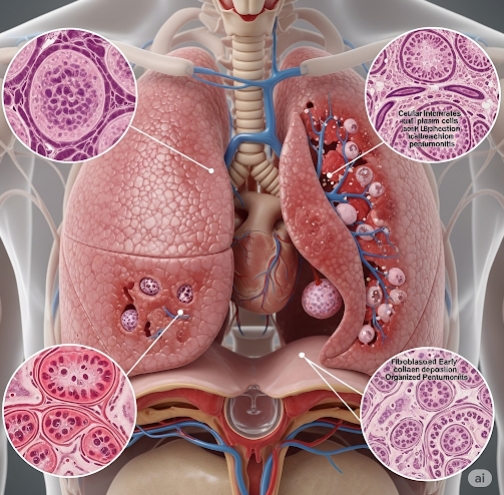
Overview Pneumonitis refers to inflammation of the lung tissue, specifically the alveoli (air sacs), often caused by an allergic reaction, infection, or exposure to irritants such as chemicals, radiation, or certain medications. Unlike pneumonia, which is typically caused by infection, pneumonitis is usually non-infectious in origin. If not properly diagnosed and treated, pneumonitis can progress […]
Pneumocystis Pneumonia (PCP) in Korea
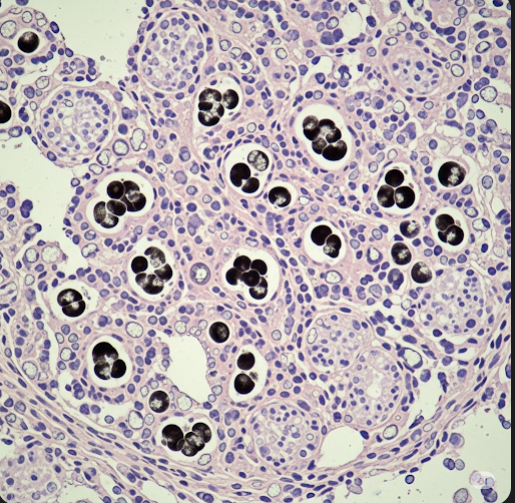
Overview Pneumocystis pneumonia (PCP) is a serious fungal infection of the lungs caused by Pneumocystis jirovecii. It primarily affects people with weakened immune systems, such as those with HIV/AIDS, organ transplants, cancer, or those on immunosuppressive therapy. PCP was once a leading cause of death among people living with AIDS, but with early diagnosis and […]
Plummer Vinson Syndrome in Korea
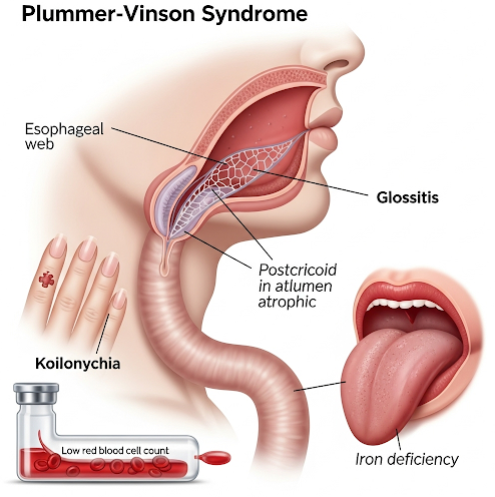
Overview Plummer-Vinson Syndrome (PVS) is a rare condition characterized by the triad of iron-deficiency anemia, difficulty swallowing (dysphagia), and esophageal webs — thin membranes that partially block the upper esophagus. It primarily affects middle-aged women, especially those of Northern European descent, but cases have been reported worldwide. While the syndrome itself is treatable, it is […]
Pleuritic Chest Pain in Korea
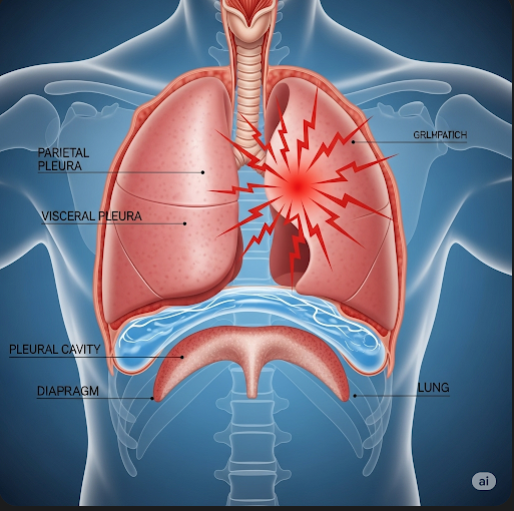
Overview Pleuritic chest pain is a sharp, stabbing pain in the chest that worsens with breathing, coughing, or sneezing. It is caused by inflammation or irritation of the pleura — the two thin layers of tissue that surround the lungs and line the chest cavity. While sometimes benign, pleuritic chest pain can also be a […]
Pleural Mesothelioma in Korea
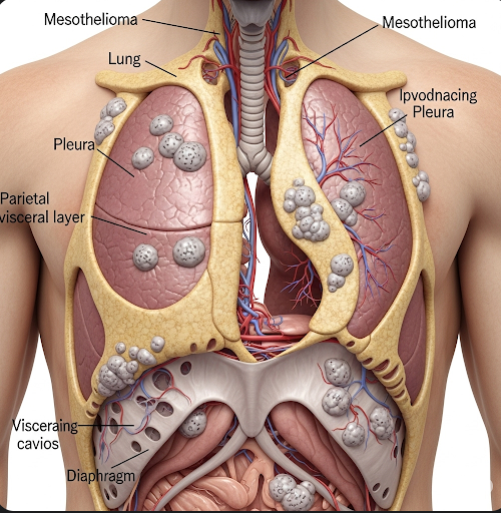
Overview Pleural mesothelioma is a rare but aggressive form of cancer that affects the pleura — the thin layer of tissue that lines the lungs and chest wall. It is caused almost exclusively by exposure to asbestos, often decades before symptoms appear. This disease is challenging to diagnose early due to its slow development and […]
Plasmodium Infection in Korea
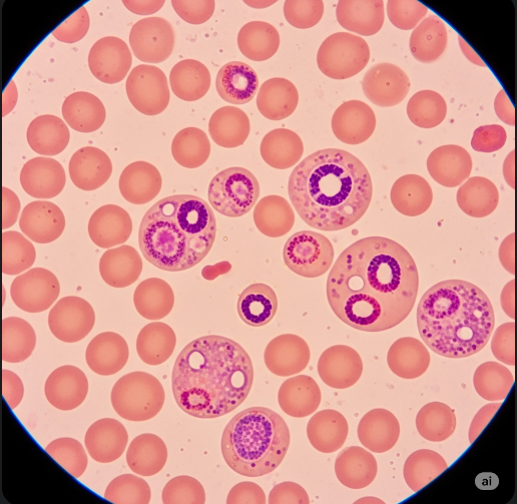
Overview Plasmodium infection refers to an infection caused by the Plasmodium parasite, which leads to malaria — a potentially life-threatening disease transmitted through the bite of an infected female Anopheles mosquito. Malaria is a global health concern, particularly in tropical and subtropical regions. It affects hundreds of millions of people annually and can cause severe […]