
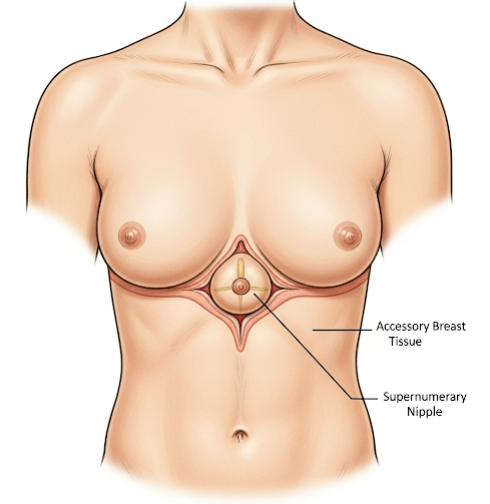
Polymastia in Korea
Overview Polyhydramnios is a pregnancy-related condition characterized by an excessive accumulation of amniotic fluid in the uterus. Amniotic fluid is vital for the baby’s growth and development, but when too much fluid builds up, it can lead to complications for both the mother and fetus. While mild cases may resolve on their own, moderate to […]
Polyhydramnios in Korea
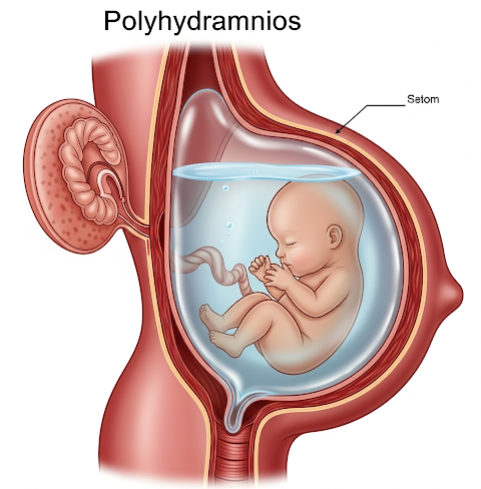
Overview Polyhydramnios is a pregnancy-related condition characterized by an excessive accumulation of amniotic fluid in the uterus. Amniotic fluid is vital for the baby’s growth and development, but when too much fluid builds up, it can lead to complications for both the mother and fetus. While mild cases may resolve on their own, moderate to […]
Polyglandular Autoimmune Syndrome in Korea
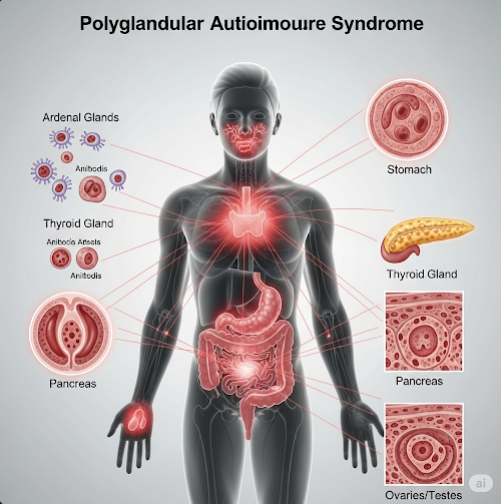
Overview Polyglandular Autoimmune Syndrome (PAS), also known as Autoimmune Polyendocrine Syndrome (APS), is a group of rare disorders in which the immune system attacks multiple endocrine glands, leading to hormonal imbalances and glandular failure. The condition can affect the thyroid, adrenal glands, pancreas, parathyroid glands, and more, and may also involve non-endocrine organs like the […]
Polydipsia in Korea

Overview Polydipsia is the medical term for excessive or abnormal thirst, typically associated with excessive fluid intake. It is often a symptom of an underlying health condition rather than a disease itself. Polydipsia is commonly linked to diabetes mellitus, diabetes insipidus, psychological disorders, or certain medications. While occasional thirst is normal, persistent or unquenchable thirst […]
Polydactyly in Korea

Overview Polydactyly is a congenital condition where a person is born with extra fingers or toes. The term comes from the Greek words “poly” (many) and “dactylos” (digits). These additional digits can be fully functional or underdeveloped and may occur on one or both hands or feet. While often isolated and harmless, polydactyly can sometimes […]
Polycystic Kidney Disease in Korea
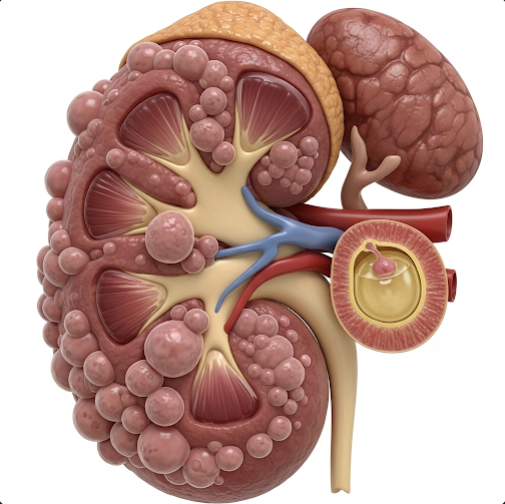
Overview Polycystic Kidney Disease (PKD) is a genetic disorder characterized by the growth of multiple fluid-filled cysts in the kidneys. Over time, these cysts enlarge and multiply, causing the kidneys to lose function and potentially leading to chronic kidney disease (CKD) or kidney failure. PKD can also affect other organs, such as the liver and […]
Polychondritis in Korea

Overview Polychondritis, more specifically Relapsing Polychondritis (RP), is a rare, chronic autoimmune disorder that primarily causes recurrent inflammation of cartilage throughout the body. It most commonly affects the ears, nose, joints, eyes, and respiratory tract, but may also involve other organs. Over time, inflammation can lead to progressive cartilage damage, deformities, and organ dysfunction. Although […]
Polyarteritis Nodosa in Korea
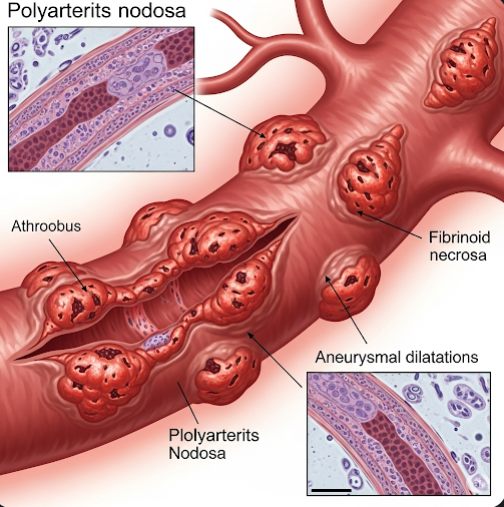
Overview Polyarteritis Nodosa (PAN) is a rare but serious autoimmune disease that causes inflammation of small and medium-sized arteries, leading to organ damage due to reduced blood flow. PAN can affect multiple systems in the body, including the skin, kidneys, heart, gastrointestinal tract, peripheral nerves, and muscles. Without treatment, it can cause severe complications and […]
Poliovirus Infection in Korea
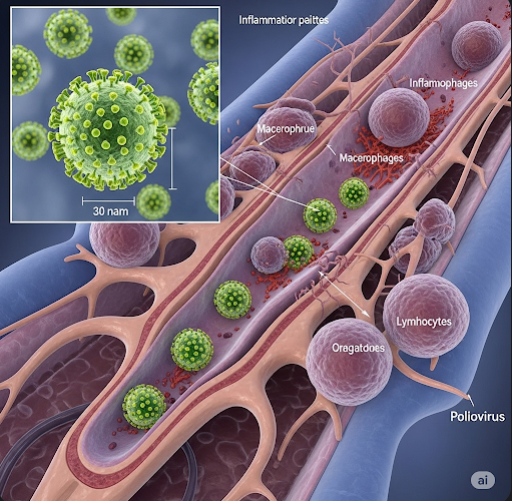
Overview Poliovirus infection, commonly known as polio, is a highly contagious viral illness caused by the poliovirus, which can invade the nervous system and, in severe cases, lead to paralysis, permanent disability, or death. While most infections are asymptomatic or mild, a small percentage progress to paralytic disease. Thanks to widespread vaccination, polio has been […]
Polioencephalitis in Korea
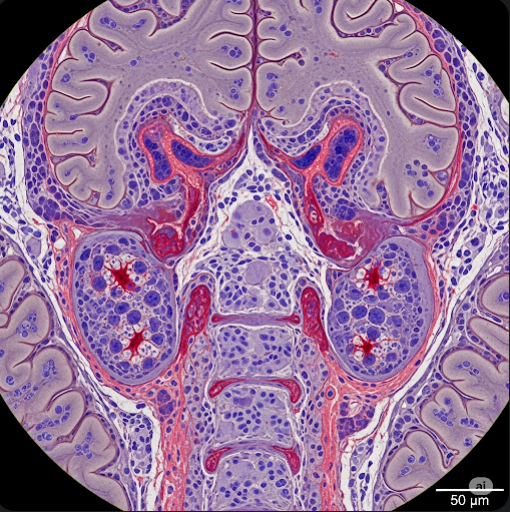
Overview Polioencephalitis is a rare and serious neurological condition that involves inflammation of the gray matter of the brain caused by the poliovirus. It is a severe manifestation of poliomyelitis, where the central nervous system (CNS), especially the brain, becomes inflamed. While the poliovirus primarily affects the spinal cord (as in paralytic polio), in polioencephalitis, […]