
Oblique Fracture in Korea
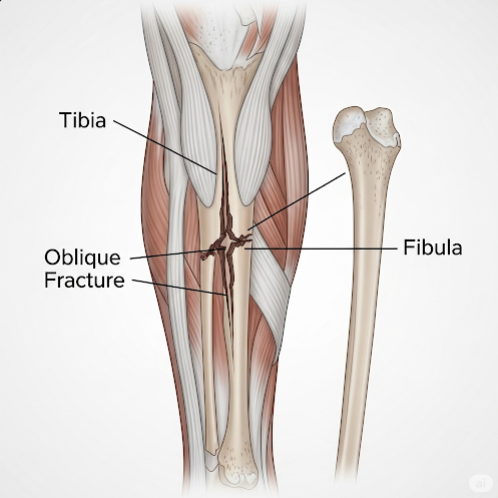
Overview An oblique fracture is a type of bone break where the fracture line runs diagonally across the bone, typically at an angle to the bone’s long axis. It usually occurs in long bones, such as the femur (thigh), tibia (shin), humerus (upper arm), or radius (forearm). Oblique fractures are commonly caused by a sharp, […]
Obesophobia (Fear of Gaining Weight) in Korea

Overview Obesophobia, also known as pocrescophobia, is an intense, irrational fear of gaining weight, often associated with body image distortion and anxiety. While concern about weight is common, obesophobia goes far beyond healthy self-awareness—it can become a debilitating phobia that leads to extreme behaviors, such as excessive dieting, compulsive exercising, or starvation. It is often […]
Obesity Hypoventilation Syndrome in Korea
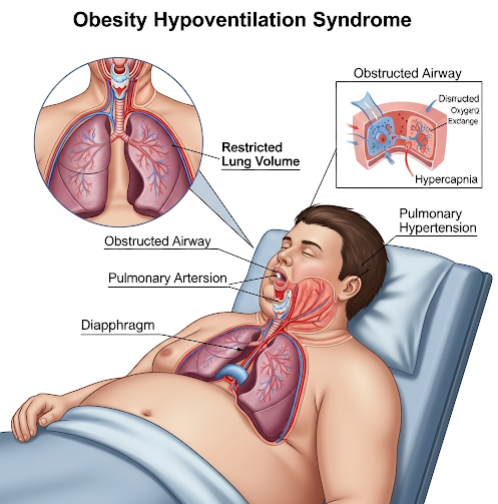
Overview Obesity Hypoventilation Syndrome (OHS) is a serious breathing disorder that occurs in people with obesity, leading to chronic under-breathing (hypoventilation) and high carbon dioxide (CO₂) levels in the blood. It is also known as Pickwickian syndrome. OHS often coexists with obstructive sleep apnea (OSA) and causes fatigue, breathlessness, and low oxygen levels, especially during […]
Obesity in Children in Korea

Overview Childhood obesity is a serious medical condition where a child has excess body fat that negatively affects their health and development. It has become a global public health concern, including in South Korea, due to rising rates caused by changes in lifestyle, eating habits, and reduced physical activity. Childhood obesity significantly increases the risk […]
Obesity in Korea

Overview Obesity is a complex, chronic medical condition characterized by excessive body fat accumulation that negatively impacts health. It increases the risk of numerous diseases, including heart disease, diabetes, hypertension, stroke, and certain cancers. Obesity is not only a result of overeating or lack of physical activity but also influenced by genetics, metabolism, environment, behavior, […]
Polysubstance Abuse in Korea
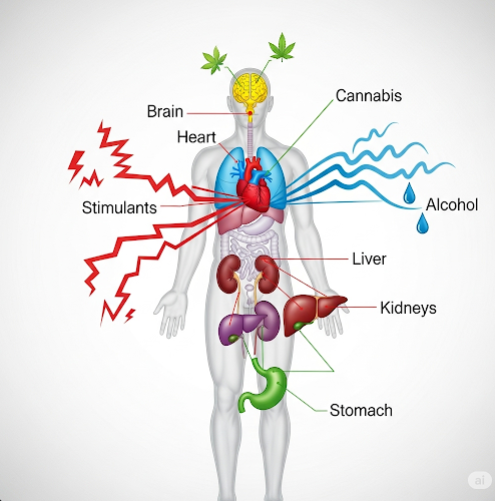
Overview Polysubstance abuse refers to the simultaneous or sequential misuse of two or more psychoactive substances, such as alcohol, prescription drugs, illegal drugs, or other chemicals. Unlike single-substance addiction, polysubstance abuse involves multiple drugs being used to enhance effects, cope with withdrawal, or intensify intoxication. This behavior significantly increases the risk of overdose, physical and […]
Polyserositis in Korea
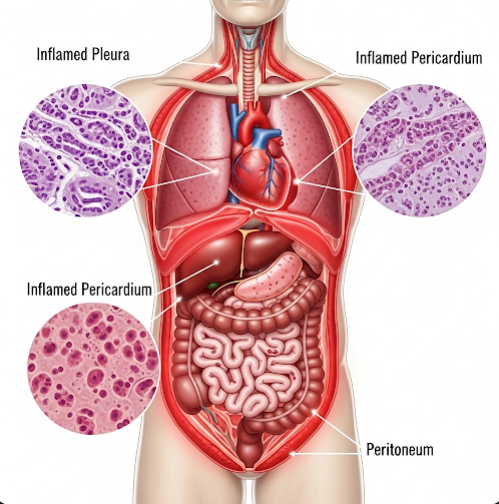
Overview Polyserositis is a medical condition characterized by inflammation of multiple serous membranes in the body. These membranes include the pleura (lungs), pericardium (heart), and peritoneum (abdomen). The inflammation leads to fluid accumulation in the affected cavities, which can cause chest pain, abdominal discomfort, breathing difficulties, and other systemic symptoms. Polyserositis is often a manifestation […]
Polyposis Syndromes in Korea
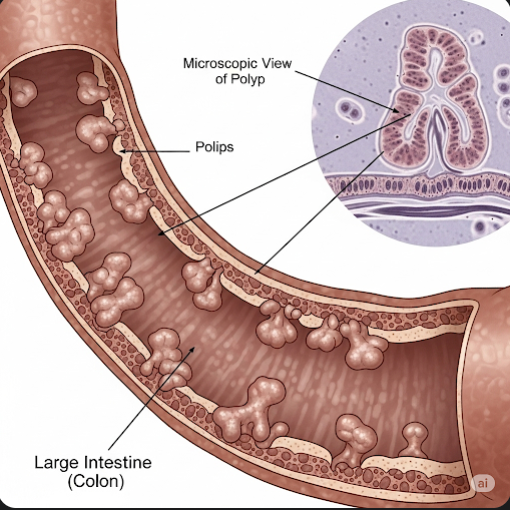
Overview Polyposis syndromes are a group of genetic disorders characterized by the growth of multiple polyps in the gastrointestinal (GI) tract, particularly in the colon and rectum. These polyps are abnormal tissue growths that can be benign or have the potential to become cancerous over time. Without timely diagnosis and treatment, many polyposis syndromes carry […]
Polyneuropathy in Korea
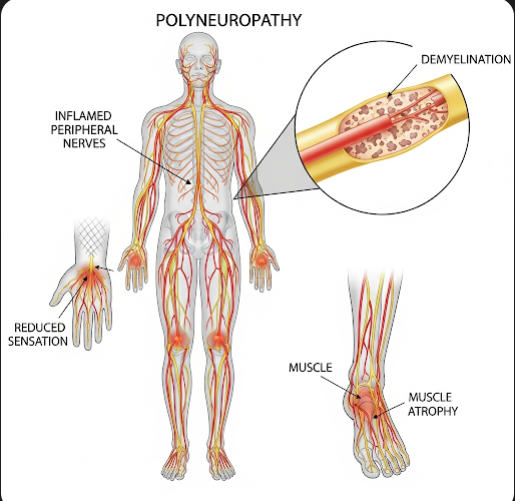
Overview Polyneuropathy is a condition involving damage or dysfunction of multiple peripheral nerves, often affecting the same areas on both sides of the body. It most commonly affects the hands, feet, legs, and arms, and is associated with symptoms such as numbness, tingling, weakness, and burning pain. It is usually symmetrical and progressive, and can […]
Polyneuritis in Korea
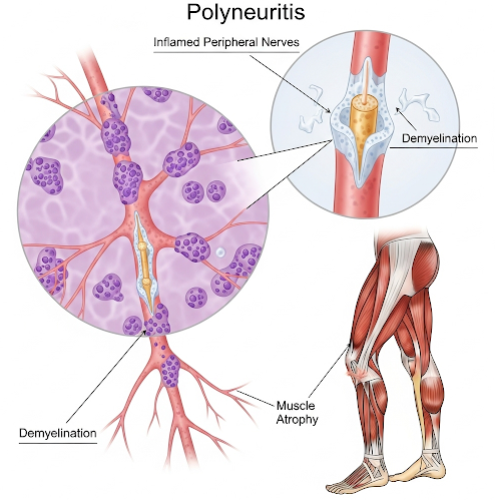
Overview Polyneuritis, also known as polyneuropathy, is a condition involving inflammation and dysfunction of multiple peripheral nerves throughout the body. These nerves control movement, sensation, and autonomic functions. When they become damaged or inflamed, patients may experience pain, weakness, tingling, and numbness, typically starting in the hands and feet. Polyneuritis is a broad term and […]