
Omphalitis in Korea
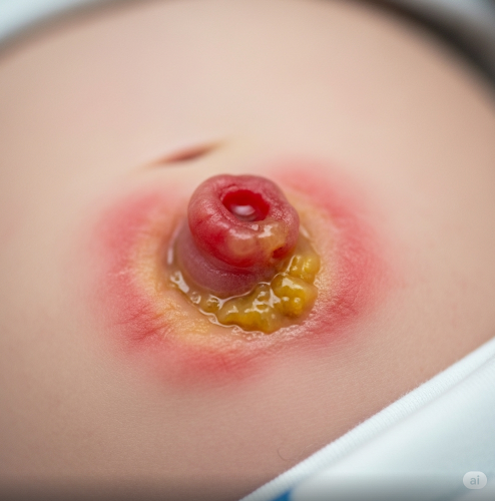
Overview Omphalitis is a bacterial infection of the umbilical stump in newborns, typically occurring within the first few weeks after birth. It is a potentially serious condition that can spread rapidly if not treated promptly. Although rare in countries with access to proper hygiene and healthcare, omphalitis remains a leading cause of neonatal morbidity and […]
Ombrophobia (Fear of Rain) in Korea

Overview Ombrophobia is the persistent and irrational fear of rain, including the sound, sight, or even the thought of rain. While rain is a natural and often soothing part of the environment for most people, those with ombrophobia may experience intense anxiety, panic attacks, or avoidance behaviors when faced with rainy conditions. This condition can […]
Oliguria (Low Urine Output) in Korea

Overview Oliguria refers to abnormally low urine output, typically defined as less than 400 milliliters (about 13.5 ounces) of urine per day in adults. It is a potential sign of serious underlying medical conditions, including kidney dysfunction, dehydration, or urinary tract obstructions. Oliguria is not a disease itself but rather a symptom that requires prompt […]
Oligospermia in Korea
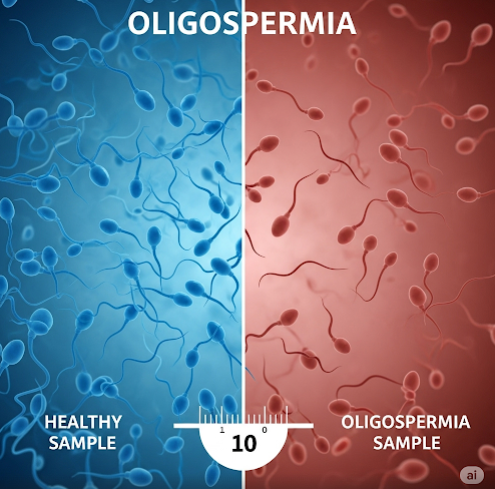
Overview Oligospermia, also known as low sperm count, is a male fertility issue where the semen contains fewer sperm than normal. A healthy sperm count is essential for natural conception, and oligospermia can significantly reduce the chances of fertilizing an egg. While it doesn’t necessarily mean infertility, it can make it more difficult for a […]
Oligomenorrhea in Korea
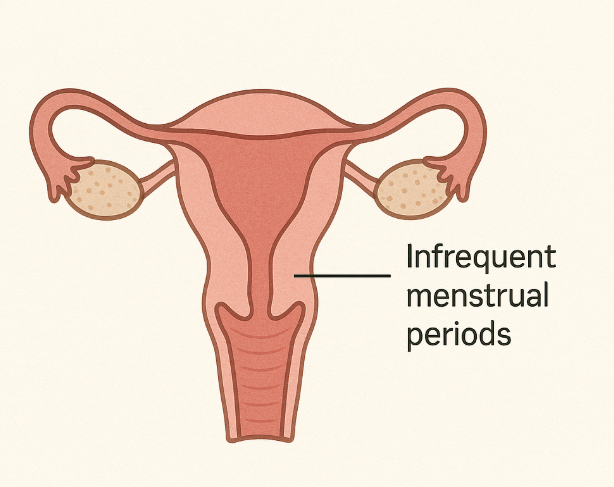
Overview Oligomenorrhea refers to infrequent or irregular menstrual periods, typically defined as menstrual cycles that occur more than 35 days apart. It is a common menstrual disorder and can be a symptom of underlying hormonal imbalances, lifestyle factors, or medical conditions. While it may not always signal a serious problem, persistent or chronic oligomenorrhea can […]
Oligohydramnios in Korea
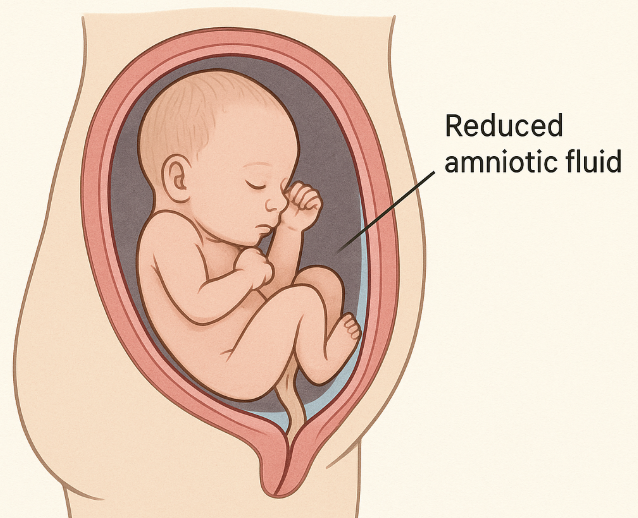
Overview Oligohydramnios is a pregnancy complication characterized by too little amniotic fluid surrounding the baby in the womb. Amniotic fluid plays a vital role in fetal development, cushioning the baby, allowing for proper growth, and supporting lung and digestive system development. When the levels of this fluid drop below the normal range, it can pose […]
Oligodendroglioma in Korea
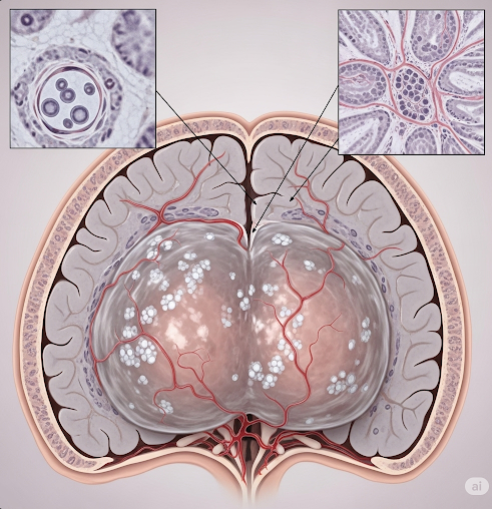
Overview Oligodendroglioma is a rare, slow-growing type of brain tumor that arises from oligodendrocytes — the cells that produce the protective myelin sheath covering nerve cells in the brain and spinal cord. This type of glioma most commonly affects adults between the ages of 35 and 50, but it can also occur in children. Although […]
Oligoarthritis in Korea

Overview Oligoarthritis is a form of arthritis that affects four or fewer joints within the first six months of onset. It is a subtype of juvenile idiopathic arthritis (JIA) when diagnosed in children, but it can also affect adults in various forms. Typically, oligoarthritis targets larger joints such as the knees, ankles, or elbows, and […]
OEIS Syndrome (Cloacal Exstrophy) in Korea
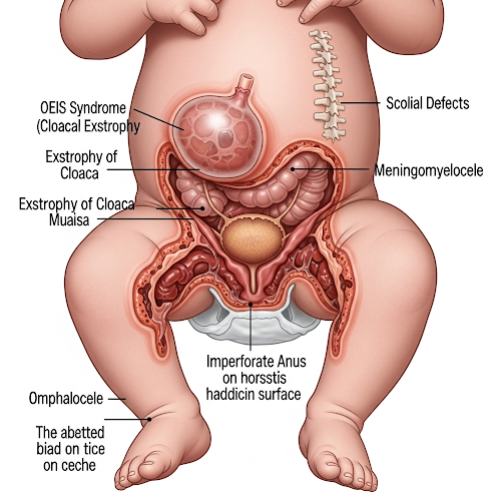
Overview OEIS Syndrome, also known as Cloacal Exstrophy, is a rare and severe congenital condition that affects multiple organ systems in the lower abdomen. The term “OEIS” is an acronym representing the four major anomalies involved: Omphalocele, Exstrophy of the cloaca, Imperforate anus, and Spinal defects. This complex birth defect typically presents at birth and […]
Ogilvie Syndrome in Korea
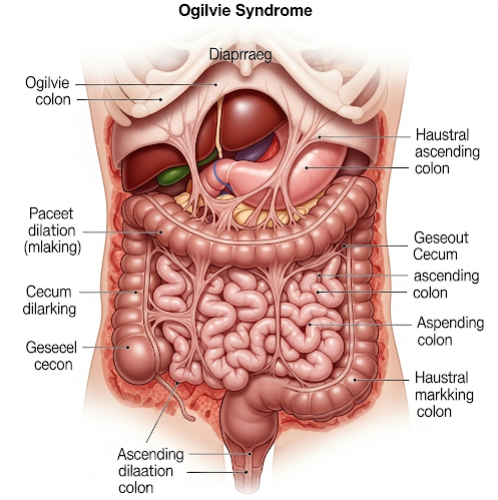
Overview Ogilvie Syndrome, also known as acute colonic pseudo-obstruction (ACPO), is a rare but serious condition characterized by a sudden and severe dilation of the large intestine without any physical blockage. It typically affects hospitalized or critically ill patients, particularly after surgery or major illness. While it presents with symptoms similar to a mechanical bowel […]