
Oculopharyngeal Muscular Dystrophy in Korea
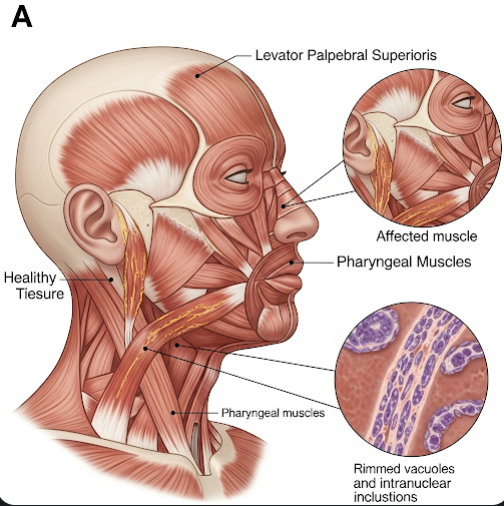
Overview Oculopharyngeal Muscular Dystrophy (OPMD) is a rare genetic neuromuscular disorder that causes progressive weakness in the muscles of the eyelids (ocular) and throat (pharyngeal). Over time, it may also affect other skeletal muscles, including those in the shoulders and limbs. The disease typically appears in adulthood, often between the ages of 40 and 60, […]
Oculocutaneous Albinism in Korea

Overview Oculocutaneous albinism (OCA) is a rare genetic condition characterized by a reduced or complete lack of melanin—the pigment that gives color to the skin, hair, and eyes. This leads to pale skin, light-colored hair, and vision problems. People with OCA are more vulnerable to sunburn, skin cancer, and vision impairment due to the lack […]
Ocular Syphilis in Korea
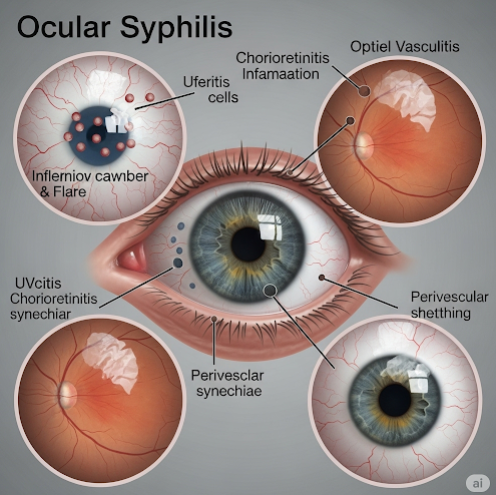
Overview Ocular syphilis is a form of syphilis infection that affects the eyes, potentially leading to serious visual impairment or blindness if left untreated. Caused by the bacterium Treponema pallidum, ocular syphilis can occur at any stage of syphilis infection, including primary, secondary, or latent stages. It is considered a medical emergency and requires prompt […]
Ocular Rosacea in Korea
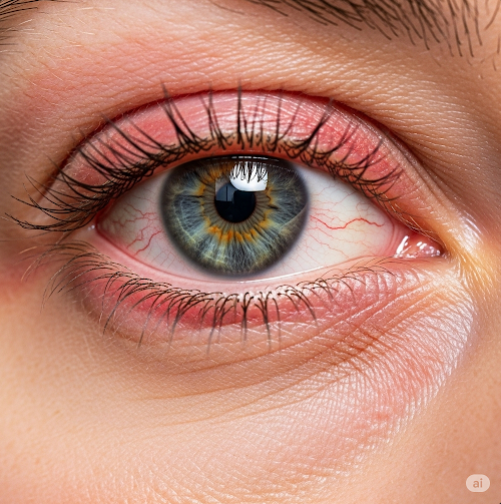
Overview Ocular rosacea is a chronic inflammatory eye condition that occurs in people who have rosacea, a skin disorder that typically affects the face. In ocular rosacea, the inflammation extends to the eyes and eyelids, causing symptoms like dryness, redness, irritation, and gritty sensations. It can occur before, during, or after facial rosacea appears, and […]
Ocular Migraine in Korea

Overview Ocular migraine, also known as retinal migraine, is a condition that causes temporary visual disturbances or vision loss in one eye, often followed by or accompanied with a migraine headache. The visual symptoms are usually brief and reversible, but the condition can be alarming and disruptive. It is important to differentiate ocular migraine from […]
Ocular Ischemic Syndrome in Korea
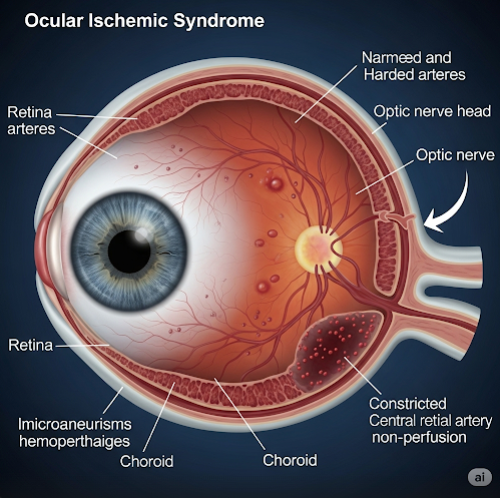
Overview Ocular Ischemic Syndrome (OIS) is a rare but serious eye condition caused by insufficient blood flow to the eye, usually due to severe blockage or narrowing of the carotid artery, which supplies blood to the brain and eyes. This condition affects middle-aged and older adults, and it often signals advanced cardiovascular disease. If not […]
Ocular Hypertension in Korea
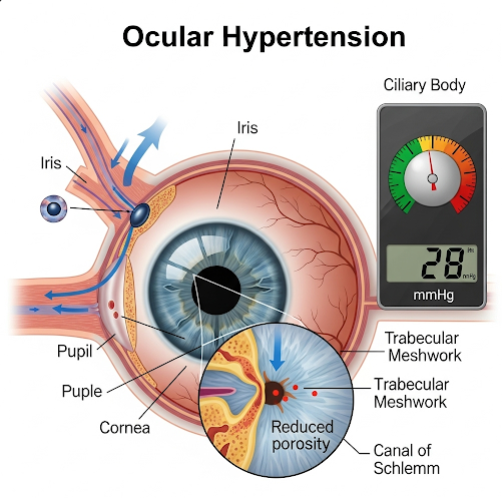
Overview Ocular hypertension refers to a condition where the intraocular pressure (IOP) inside the eye is higher than normal, but without any signs of glaucoma, such as optic nerve damage or vision loss. It is not a disease in itself but a major risk factor for glaucoma, especially primary open-angle glaucoma. People with ocular hypertension […]
Ocular Herpes (Eye Herpes) in Korea

Overview Ocular herpes, also known as eye herpes, is an eye infection caused by the herpes simplex virus (HSV)—most commonly HSV-1, the same virus responsible for cold sores. It can affect different parts of the eye, including the eyelids, conjunctiva, cornea, retina, and even the optic nerve, potentially leading to vision loss if left untreated. […]
Ocular Albinism in Korea

Overview Ocular albinism (OA) is a rare, genetic condition that primarily affects the eyes, resulting in reduced pigmentation of the iris and retina. This leads to visual problems, such as decreased sharpness of vision, light sensitivity, and involuntary eye movements. Unlike oculocutaneous albinism (which affects the skin, hair, and eyes), ocular albinism mostly impacts the […]
Octophobia (Fear of the Number 8) in Korea

Overview Octophobia is a rare and specific phobia characterized by an intense, irrational fear of the number 8. People with octophobia may experience anxiety, distress, or even panic attacks when they see, think about, or encounter the number 8 in daily life—such as on clocks, license plates, dates, or prices. While it may seem unusual, […]