
Opioid Use Disorder in Korea

Overview Opioid Use Disorder (OUD) is a chronic, relapsing medical condition characterized by the compulsive use of opioids despite harmful consequences. It involves both physical dependence and psychological addiction and significantly affects health, relationships, and quality of life. OUD can result from the misuse of prescription opioids (like oxycodone, hydrocodone, and morphine) or the use […]
Opioid Overdose in Korea

Overview Opioid overdose is a life-threatening medical emergency that occurs when a person takes too much of an opioid drug, resulting in severe depression of the central nervous system, including breathing and heart rate. It can lead to unconsciousness, brain damage, or death if not treated immediately. Both prescription opioids (like oxycodone, morphine, and fentanyl) […]
Opiate and Opioid Withdrawal in Korea

Overview Opiate and opioid withdrawal refers to the range of symptoms that occur when a person who is dependent on these substances suddenly stops or significantly reduces their use. Opiates (like morphine and codeine) and opioids (like oxycodone, hydrocodone, fentanyl, and heroin) are powerful pain-relieving drugs that can lead to physical dependence and addiction. Withdrawal […]
Ophidiophobia (Fear of Snakes) in Korea

Overview Ophidiophobia is the extreme, irrational fear of snakes, whether they are real, imagined, or even represented in pictures or movies. It is one of the most common specific phobias and falls under the category of anxiety disorders. While a mild fear of snakes is considered normal — especially in areas where venomous species exist […]
Open-Angle Glaucoma in Korea
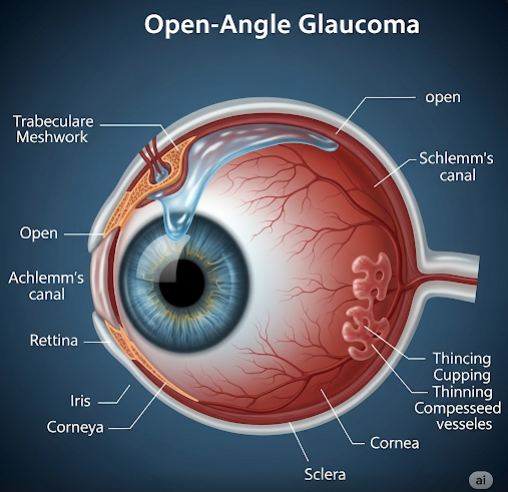
Overview Open-angle glaucoma is a chronic eye disease that causes progressive damage to the optic nerve, often associated with increased intraocular pressure (IOP). It is the most common form of glaucoma, accounting for over 90% of all cases. This condition typically develops slowly and painlessly, which means many people are unaware they have it until […]
Open Globe Injury in Korea
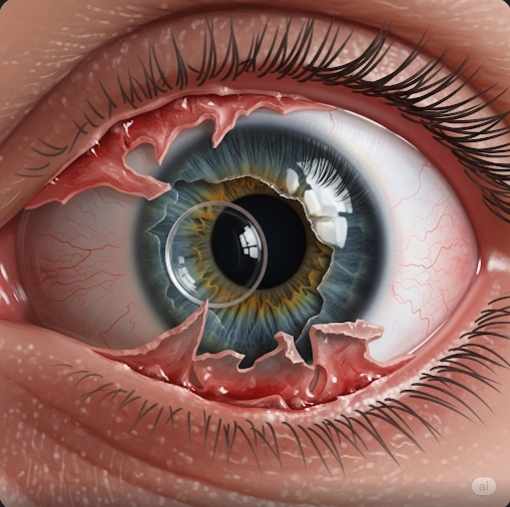
Overview Open globe injury is a serious, full-thickness wound of the eye wall, typically involving the cornea and/or sclera. It occurs when the outer protective layers of the eye are disrupted, usually due to trauma. Open globe injuries are ocular emergencies that can lead to permanent vision loss or even loss of the eye if […]
Onycholysis in Korea

Overview Onycholysis is a condition in which the nail separates from the nail bed, usually starting at the tip and progressing toward the base. It can affect fingernails or toenails and may be caused by trauma, infection, systemic illness, or chemical exposure. While typically painless in early stages, onycholysis can lead to discomfort, secondary infections, […]
Onchocerciasis (River Blindness) in Korea

Overview Onchocerciasis, commonly known as River Blindness, is a parasitic disease caused by the worm Onchocerca volvulus. It is transmitted to humans through repeated bites by infected blackflies (Simulium species), which breed in fast-flowing rivers and streams—hence the name “river blindness.” The disease is a major cause of preventable blindness in tropical regions, particularly in […]
Omphalocele in Korea

Overview Omphalocele is a congenital birth defect where an infant’s intestines, liver, and occasionally other abdominal organs protrude through the belly button (umbilicus) into a sac covered by a thin membrane. This condition occurs during fetal development when the abdominal wall does not close properly. It can range from small (involving only a few loops […]
Omentum Cancer in Korea

Overview Omentum cancer refers to the presence of malignant tumors in the omentum, a layer of fatty tissue in the abdomen that drapes over the stomach, intestines, and other organs. The omentum itself rarely develops cancer on its own; more often, it becomes involved through the spread (metastasis) of cancer from nearby organs such as […]