
Oral Health Problems and Diabetes in Korea
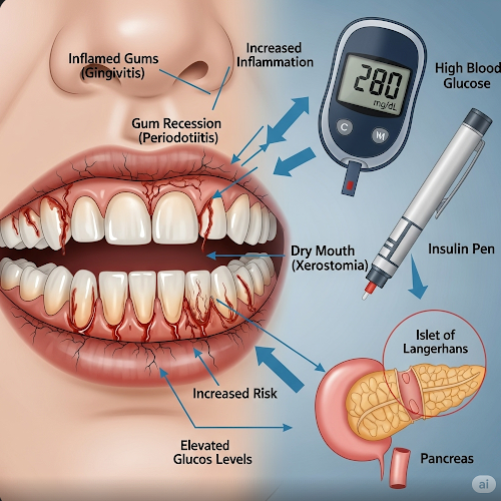
Overview Oral health problems and diabetes are closely connected, creating a two-way relationship where each condition can affect the other. People with diabetes are more likely to experience oral health issues such as gum disease, dry mouth, and infections. On the other hand, untreated oral infections can make it harder to control blood sugar levels. […]
Oral Cancer in Korea

Overview Oral cancer, also known as mouth cancer, is a type of cancer that develops in the tissues of the mouth or throat. It can appear on the lips, tongue, gums, inner lining of the cheeks, roof of the mouth, or under the tongue. This type of cancer can be life-threatening if not diagnosed and […]
Oral Aversion in Korea

Overview Oral aversion is a condition in which an individual, typically an infant or young child, refuses or avoids eating, drinking, or allowing anything near or in their mouth. This behavior is not due to lack of appetite or physical inability to eat, but rather due to emotional, sensory, or traumatic responses. Oral aversion can […]
Oral Allergy Syndrome in Korea

Overview Oral Allergy Syndrome (OAS), also known as pollen-food allergy syndrome, is a type of food allergy that occurs in people who are also allergic to certain pollen allergens. It typically causes itching, tingling, or swelling in the mouth, lips, throat, or face shortly after consuming certain raw fruits, vegetables, or nuts. OAS is generally […]
Optic Neuritis in Korea

Overview Optic neuritis is an inflammatory condition of the optic nerve, which transmits visual signals from the eye to the brain. This inflammation can cause sudden vision loss, eye pain, and other visual disturbances, usually in one eye. Optic neuritis is often associated with multiple sclerosis (MS) but may also occur as an isolated condition […]
Optic Nerve Hypoplasia in Korea

Overview Optic Nerve Hypoplasia (ONH) is a congenital condition in which the optic nerve is underdeveloped at birth. The optic nerve is responsible for transmitting visual signals from the eye to the brain. In ONH, the nerve has fewer than the normal number of nerve fibers, resulting in impaired visual function. ONH is one of […]
Optic Disc Drusen in Korea

Overview Optic disc drusen are abnormal deposits of protein-like material (mostly calcium) that accumulate in the optic nerve head—the point where the optic nerve enters the eye. These deposits can mimic swelling of the optic nerve and may lead to progressive visual field loss over time. While often benign and asymptomatic in early stages, optic […]
Optic Atrophy in Korea
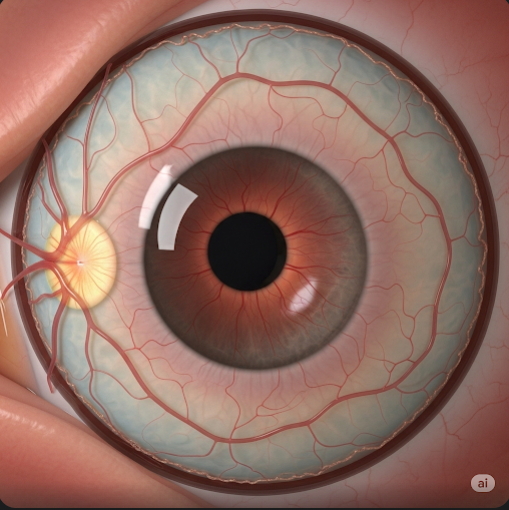
Overview Optic atrophy is a medical condition involving damage or degeneration of the optic nerve, which is responsible for transmitting visual information from the eye to the brain. This condition results in vision loss, which can be partial or complete, depending on the severity and underlying cause. Optic atrophy is not a disease itself but […]
Oppositional Defiant Disorder (ODD) in Korea

Overview Oppositional Defiant Disorder (ODD) is a behavioral disorder characterized by a consistent pattern of angry, irritable mood, argumentative behavior, and defiance toward authority figures. It most commonly begins during early childhood or adolescence and often causes significant disruption at home, in school, and in social relationships. While many children occasionally act out or show […]
Opportunistic Infection in Korea

Overview Opportunistic infections (OIs) are infections caused by organisms that typically do not cause illness in healthy individuals, but can become dangerous in people with weakened immune systems. These infections are considered “opportunistic” because they take advantage of a compromised immune defense to grow and spread. They are common in people with conditions like HIV/AIDS, […]