
Influenza (Flu) in Korea

Overview Influenza, commonly known as the flu, is an acute viral respiratory infection caused by influenza viruses. It is highly contagious and affects millions globally each year, causing seasonal epidemics and occasional pandemics. The flu presents with a sudden onset of fever, cough, body aches, and fatigue, and can lead to severe complications, particularly in […]
Infertility in Korea

Overview Infertility is a common reproductive health condition defined as the inability to conceive after one year of regular, unprotected intercourse. It affects millions of couples worldwide and has multifactorial causes involving both partners. In Korea, advancements in diagnostic technologies, assisted reproductive techniques, and holistic approaches have made infertility treatment more accessible and successful. Addressing […]
Infectious Mononucleosis in Korea
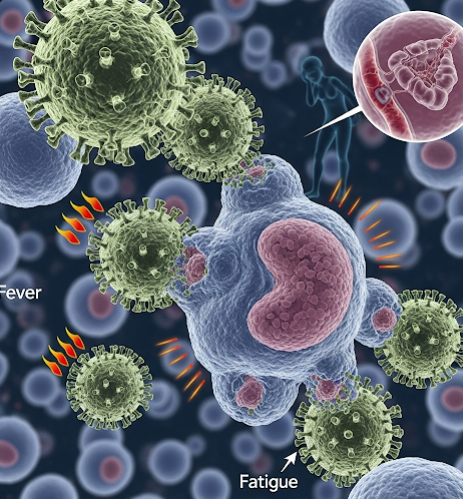
Overview Infectious mononucleosis, commonly known as “mono” or the “kissing disease,” is an acute viral infection caused primarily by the Epstein-Barr virus (EBV). It mainly affects adolescents and young adults but can occur at any age. The disease is characterized by fever, sore throat, swollen lymph nodes, and fatigue. In Korea, infectious mononucleosis is diagnosed […]
Infectious Diseases in Korea

Overview Infectious diseases are illnesses caused by pathogenic microorganisms such as bacteria, viruses, fungi, or parasites. These diseases can spread directly or indirectly from one person to another, animals, or the environment. Infectious diseases range from mild conditions like the common cold to severe, life-threatening illnesses such as tuberculosis or COVID-19. In Korea, a well-developed […]
Incontinence in Korea

Overview Incontinence refers to the involuntary loss of control over bodily functions, most commonly involving urine or feces. It is a prevalent condition that affects people across all ages but is especially common among older adults and individuals with certain medical conditions. Incontinence can significantly impact physical health, emotional wellbeing, and social life, making it […]
Incontinence (Urinary) in Korea

Overview Urinary incontinence is the involuntary leakage of urine, a common condition that affects millions worldwide, including people of all ages and genders. It can range from occasional minor leaks to complete loss of bladder control, significantly impacting quality of life. In Korea, urology and gynecology specialists provide comprehensive evaluation and a variety of treatment […]
Impetigo in Korea

Overview Impetigo is a highly contagious bacterial skin infection primarily affecting infants and young children but can also occur in adults. It is characterized by red sores, blisters, and honey-colored crusts, typically appearing around the nose, mouth, hands, and other exposed areas. While generally not serious, impetigo requires prompt treatment to prevent complications and limit […]
Irritable Bowel Syndrome (IBS) in Korea
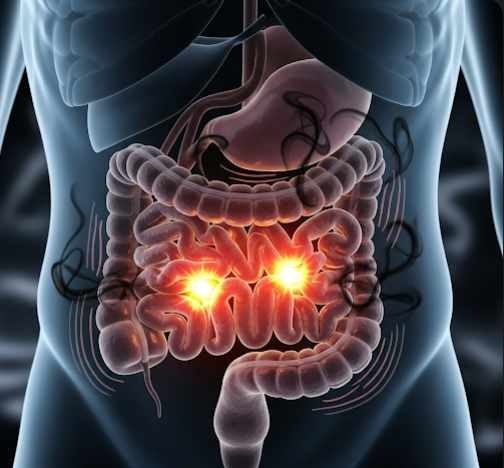
Overview Irritable Bowel Syndrome (IBS) is a common functional gastrointestinal disorder characterized by chronic abdominal pain, bloating, and altered bowel habits without any identifiable structural or biochemical abnormalities. It affects millions worldwide and significantly impacts quality of life. In Korea, awareness of IBS is growing, and medical centers offer a combination of lifestyle, dietary modifications, […]
Kyphosis in Korea

Overview Kyphosis is a spinal disorder characterized by an excessive forward curvature of the upper back, leading to a rounded or hunched posture commonly known as a “hunchback.” It can affect individuals of all ages but is particularly prevalent among adolescents and older adults. The condition can result from developmental issues, degenerative diseases, trauma, or […]
Kwashiorkor in Korea

Overview Kwashiorkor is a severe form of malnutrition caused primarily by a deficiency of dietary protein despite adequate calorie intake. It predominantly affects young children, especially in developing countries where food insecurity, famine, or improper weaning practices occur. The condition leads to edema, muscle wasting, and a range of systemic complications that can be life-threatening […]