
Krabbe Disease (Globoid Cell Leukodystrophy) in Korea
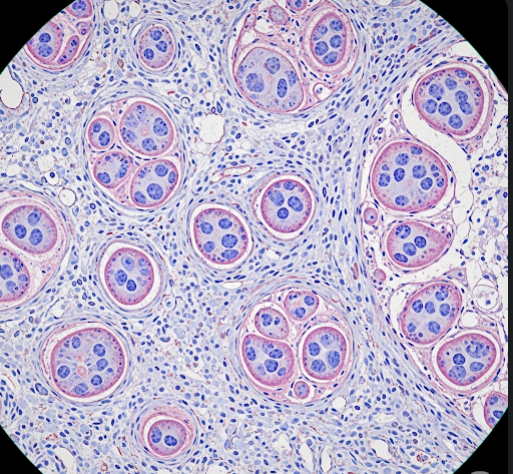
Overview Krabbe Disease, also known as Globoid Cell Leukodystrophy, is a rare, inherited neurodegenerative disorder that primarily affects the central nervous system (CNS). It is caused by a deficiency of the enzyme galactocerebrosidase (GALC), leading to the accumulation of toxic substances that damage the protective myelin sheath around nerve cells. This progressive demyelination severely impairs […]
Koolen-de Vries Syndrome in Korea

Overview Koolen-de Vries Syndrome (KdVS) is a rare genetic disorder characterized by developmental delays, intellectual disability, distinctive facial features, and various medical issues. First described in 2006, this syndrome results from a deletion or mutation on chromosome 17q21.31 affecting the KANSL1 gene. In Korea, genetic clinics and pediatric specialists provide early diagnosis and multidisciplinary management […]
Koinoniphobia (Fear of Rooms or People in Rooms) in Korea

Overview Koinoniphobia is a specific phobia characterized by an intense, irrational fear of rooms, especially those filled with people, or fear of being in enclosed spaces where social interaction occurs. This condition can significantly interfere with daily life, limiting social interactions, work, and activities that involve enclosed or crowded environments. Although relatively rare, koinoniphobia can […]
Koebner Phenomenon in Korea

Overview Koebner Phenomenon, also known as the isomorphic response, is a skin reaction in which new lesions appear on previously unaffected skin following trauma or injury. It is commonly observed in several chronic inflammatory skin diseases, most notably psoriasis, lichen planus, and vitiligo. This phenomenon highlights the skin’s abnormal response to injury in predisposed individuals […]
Knuckle Pads in Korea

Overview Knuckle pads are benign, thickened skin growths that typically develop over the knuckles or joints of the fingers. These fibrous, raised nodules are usually painless and non-cancerous but can cause cosmetic concerns or discomfort due to their size and location. Although knuckle pads can appear at any age, they often develop in young adults […]
Knee Sprain in Korea
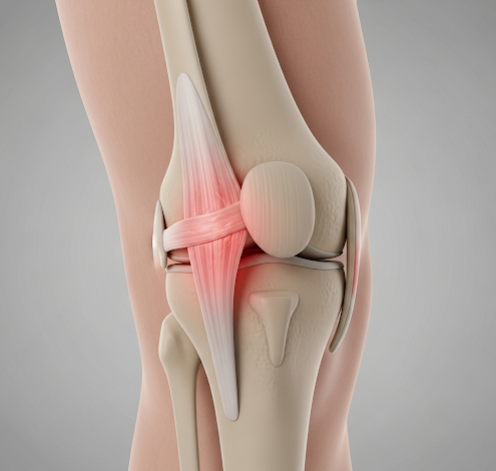
Overview A knee sprain is a common injury involving the stretching or tearing of the ligaments that support and stabilize the knee joint. It can range from mild to severe and is frequently seen in athletes, active individuals, and those who experience trauma or awkward twisting motions of the knee. Knee sprains can cause pain, […]
Knee Pain in Teens in Korea

Overview Knee pain is a common complaint among teenagers, often caused by a variety of factors including growth, sports activities, injuries, and underlying medical conditions. While many cases are benign and self-limiting, persistent or severe knee pain in teens can affect their mobility, school attendance, and participation in sports or social activities. In Korea, pediatric […]
Knee Osteoarthritis in Korea
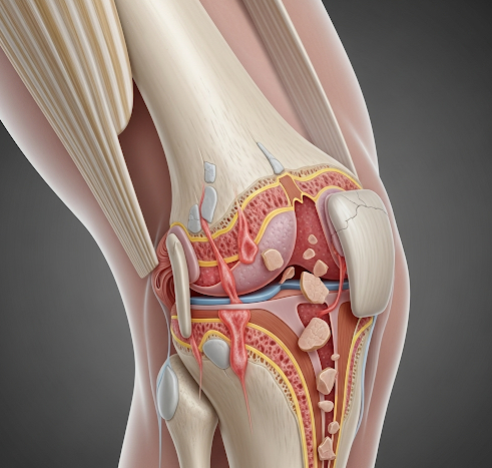
Overview Knee osteoarthritis (OA) is a common degenerative joint disease characterized by the gradual breakdown of cartilage in the knee joint, leading to pain, stiffness, swelling, and decreased mobility. It is one of the leading causes of disability worldwide, particularly affecting older adults. In Korea, advanced orthopedic care, rehabilitation services, and innovative surgical techniques such […]
Klüver-Bucy Syndrome in Korea

Overview Klüver-Bucy Syndrome (KBS) is a rare neurological disorder characterized by a distinctive cluster of behavioral and cognitive abnormalities resulting from bilateral damage to the medial temporal lobes, particularly the amygdala and adjacent areas. First identified in monkeys by Heinrich Klüver and Paul Bucy, the syndrome presents in humans primarily due to brain injuries such […]
Klippel-Trenaunay Syndrome in Korea
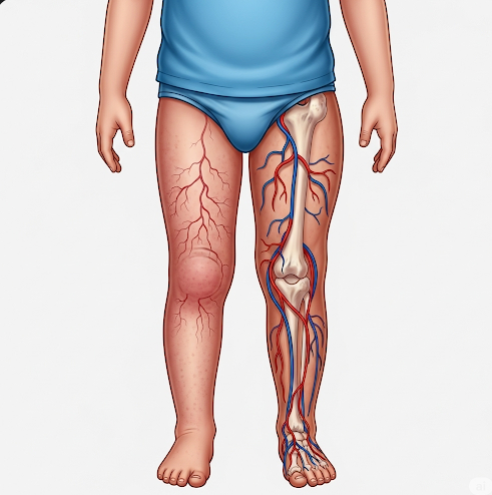
Overview Klippel-Trenaunay Syndrome (KTS) is a rare congenital vascular disorder characterized by a triad of symptoms: capillary malformations (port-wine stains), venous abnormalities (varicose veins), and soft tissue and bony overgrowth, usually affecting one limb. This syndrome can cause significant cosmetic and functional challenges as well as complications related to vascular anomalies. In Korea, specialized vascular […]