
Itchy Eyes in Korea

Overview Itchy eyes, medically referred to as ocular pruritus, are a common symptom that can result from various causes, including allergies, infections, or environmental irritants. This discomfort may affect one or both eyes and can be accompanied by redness, tearing, swelling, or a gritty sensation. In Korea, itchy eyes are frequently reported during spring and […]
Ischaemic Heart Disease in Korea
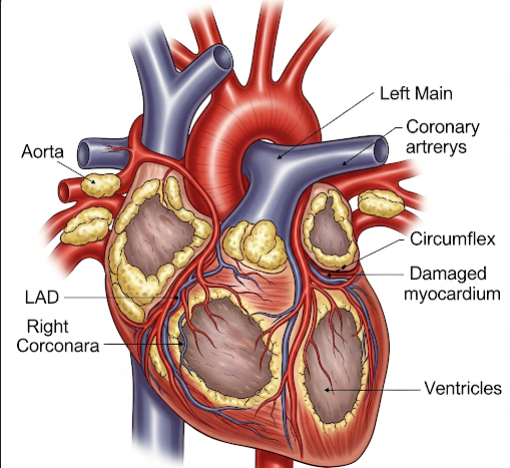
Overview Ischaemic Heart Disease (IHD), also known as coronary artery disease (CAD), is a condition where the heart muscle receives insufficient blood supply due to narrowing or blockage of the coronary arteries. This is usually caused by atherosclerosis — the buildup of plaque composed of cholesterol, fatty substances, and other materials. IHD is one of […]
Irritable Bowel Syndrome (IBS) in Korea

Overview Irritable Bowel Syndrome (IBS) is a common functional gastrointestinal disorder characterized by chronic abdominal pain and altered bowel habits without any detectable structural or biochemical abnormalities. Affecting up to 10-15% of the global population, IBS significantly impacts quality of life. In Korea, awareness and management of IBS have improved with advances in gastroenterology, dietary […]
Iron Deficiency in Korea

Overview Iron deficiency is the most common nutritional deficiency worldwide and a leading cause of anemia, characterized by insufficient iron levels to meet the body’s needs. Iron is essential for producing hemoglobin, the protein in red blood cells responsible for oxygen transport. In Korea, iron deficiency remains a significant public health concern, especially among women […]
Iodine Deficiency in Korea

Overview Iodine deficiency is a significant global public health issue characterized by insufficient iodine intake, which is essential for normal thyroid function and overall health. Iodine is a vital trace element required for the synthesis of thyroid hormones, which regulate metabolism, growth, and development. In Korea, iodine deficiency disorders are less common due to adequate […]
Invasive Staph Infections in Korea
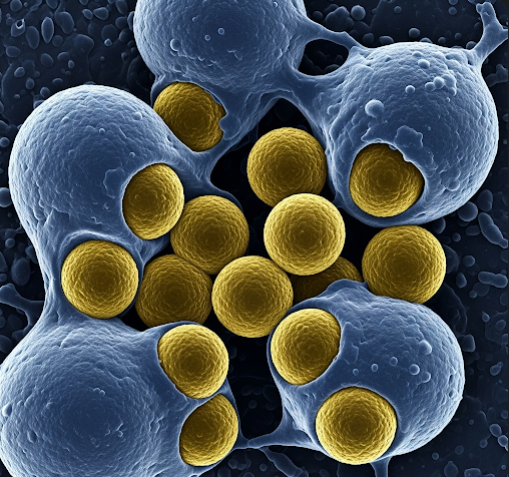
Overview Invasive staphylococcal infections are serious infections caused by Staphylococcus aureus bacteria that penetrate beyond the skin into deeper tissues, the bloodstream, or organs. These infections can lead to severe complications such as sepsis, pneumonia, or bone infections and require prompt medical attention. In Korea, advances in diagnostic techniques and antibiotic therapies, combined with hospital […]
Insect Bites and Stings in Korea
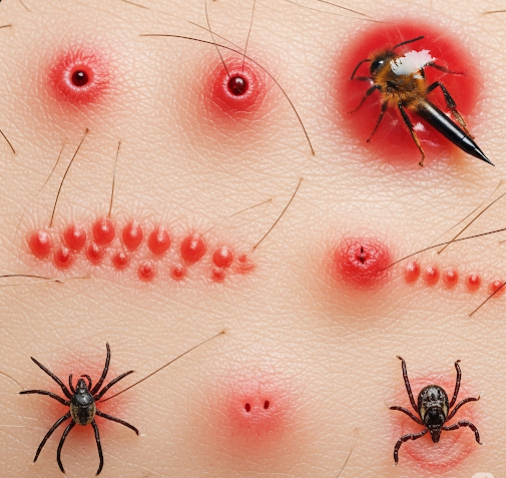
Overview Insect bites and stings are common occurrences worldwide, including in Korea, where a variety of insects like mosquitoes, bees, wasps, ants, and ticks can cause skin reactions ranging from mild irritation to severe allergic responses. These bites and stings result from insects injecting venom or saliva into the skin. While most reactions are minor […]
Inguinal Hernia in Korea
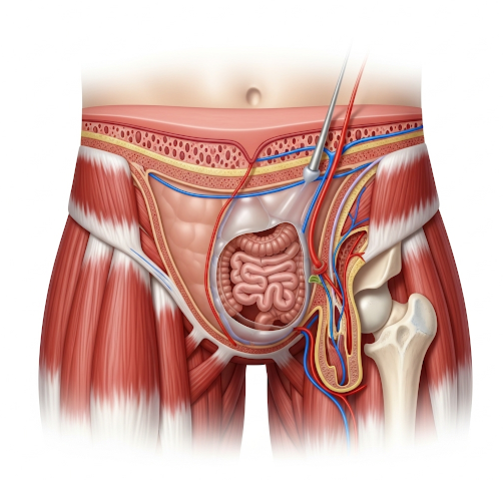
Overview An inguinal hernia is a common condition where tissue, such as part of the intestine, protrudes through a weak spot in the lower abdominal wall, specifically in the inguinal canal located in the groin area. It can cause discomfort, swelling, and sometimes serious complications if untreated. In Korea, advanced surgical techniques and minimally invasive […]
Ingrown Toenails in Korea
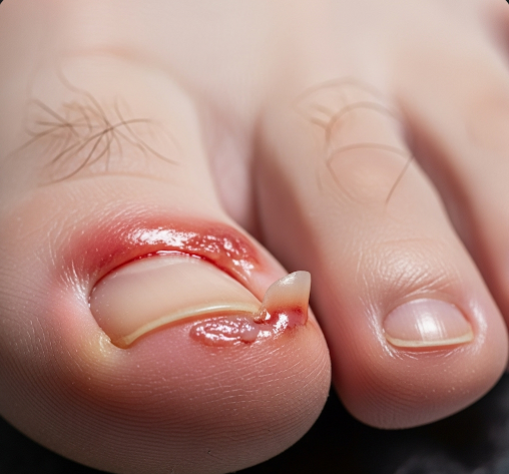
Overview Ingrown toenails, medically known as onychocryptosis, are a common and painful condition where the edge of a toenail grows into the surrounding skin, causing inflammation, discomfort, and sometimes infection. This condition most frequently affects the big toe and can severely impact daily activities due to pain and swelling. In Korea, podiatrists and dermatologists offer […]
Ingrown Hair in Korea
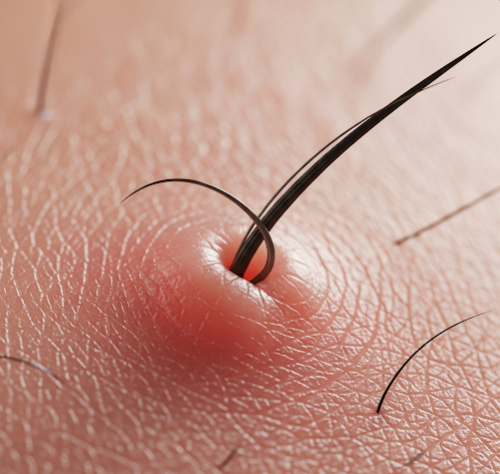
Overview Ingrown hairs are a common dermatological condition where hair curls back or grows sideways into the skin instead of emerging outward. This leads to inflammation, irritation, and sometimes infection. While ingrown hairs can occur anywhere on the body where hair grows, they are most commonly seen in areas that undergo frequent shaving or waxing, […]