
Iliotibial Band Syndrome in Korea
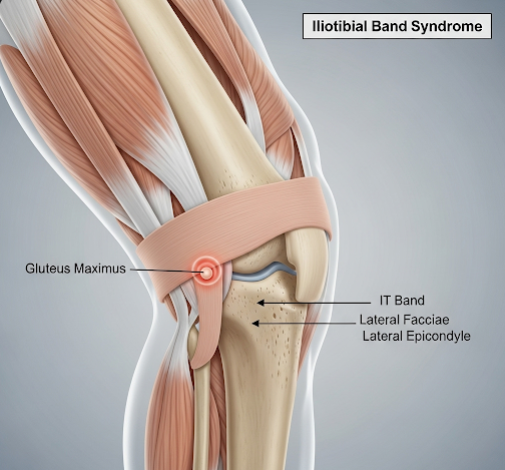
Overview Iliotibial Band Syndrome (ITBS) is a common overuse injury causing pain on the outer side of the knee. It results from irritation and inflammation of the iliotibial band, a thick band of connective tissue that runs along the outside of the thigh from the hip to the shinbone (tibia). ITBS is especially prevalent among […]
IgA Nephropathy in Korea
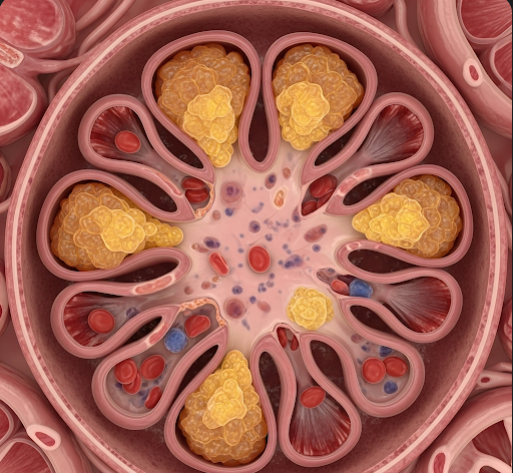
Overview IgA Nephropathy, also known as Berger’s disease, is a kidney disorder characterized by the deposition of Immunoglobulin A (IgA) antibodies in the glomeruli, the filtering units of the kidneys. This accumulation causes inflammation, which can lead to impaired kidney function over time. IgA Nephropathy is one of the most common causes of glomerulonephritis worldwide, […]
IgA Deficiency in Korea

Overview IgA Deficiency is the most common primary immunodeficiency characterized by a significant reduction or complete absence of Immunoglobulin A (IgA) in the blood and mucous membranes. IgA plays a vital role in protecting the body’s mucosal surfaces such as the respiratory and gastrointestinal tracts from infections. In Korea, patients with IgA deficiency receive diagnosis […]
Idioventricular Rhythm in Korea

Overview Idioventricular Rhythm (IVR) is a cardiac rhythm disorder characterized by a slow heartbeat originating from the ventricles (the lower chambers of the heart) rather than the usual pacemaker in the sinoatrial node. It is often seen as a protective or escape rhythm when the normal conduction pathways fail. Although IVR can be benign and […]
Idiopathic Scoliosis in Korea

Overview Idiopathic scoliosis is a spinal condition characterized by an abnormal sideways curvature of the spine with no identifiable cause. The spine may curve in an “S” or “C” shape and can involve rotation of the vertebrae. It is the most common form of scoliosis, often developing during the growth spurt before puberty. In Korea, […]
Idiopathic Intracranial Hypertension in Korea
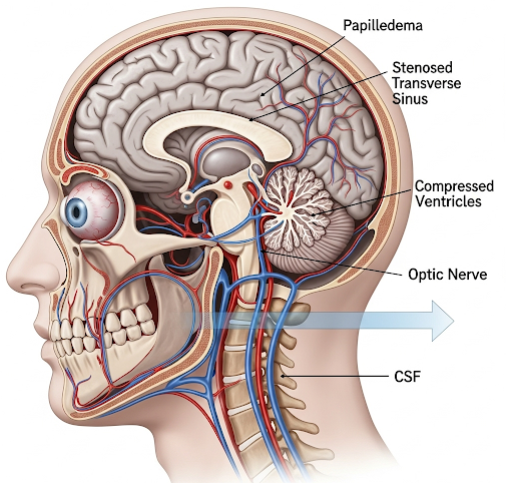
Overview Idiopathic Intracranial Hypertension (IIH), also known as pseudotumor cerebri, is a neurological condition where the pressure inside the skull (intracranial pressure) is elevated without any detectable cause such as a brain tumor or infection. This increased pressure can lead to symptoms such as headaches, vision problems, and in severe cases, permanent vision loss. In […]
Idiopathic Hypersomnia in Korea

Overview Idiopathic Hypersomnia (IH) is a rare neurological sleep disorder characterized by excessive daytime sleepiness despite having adequate or even prolonged nighttime sleep. People with IH often have difficulty waking up, experience sleep inertia (feeling groggy and disoriented upon waking), and may take long naps that are not refreshing. In Korea, specialized sleep clinics and […]
Ichthyosis Vulgaris in Korea
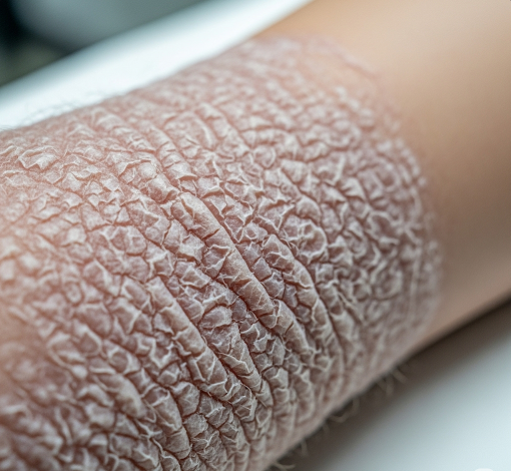
Overview Ichthyosis Vulgaris is a common genetic skin disorder characterized by dry, scaly skin that resembles fish scales. The condition results from mutations affecting the skin’s ability to shed dead cells properly, leading to a buildup of thick, flaky patches. In Korea, dermatology clinics and specialized skin treatment centers offer advanced diagnosis and treatment for […]
Ice Pick Headache (Primary Stabbing Headache) in Korea

Overview Ice Pick Headache, also known as Primary Stabbing Headache, is a neurological condition characterized by sudden, brief, and intense stabbing pains in the head, often described as feeling like being pierced with an ice pick. These headaches usually last only a few seconds but can occur repeatedly throughout the day. In Korea, where advanced […]
Iatrophobia (Fear of Doctors) in Korea

Overview Iatrophobia, or the fear of doctors and medical settings, is a type of specific phobia that causes intense anxiety or panic when thinking about, seeing, or visiting doctors. This fear can range from mild discomfort to severe avoidance, leading people to delay or refuse necessary medical care. In Korea, where regular health checkups and […]