
Inborn Errors of Metabolism in Korea
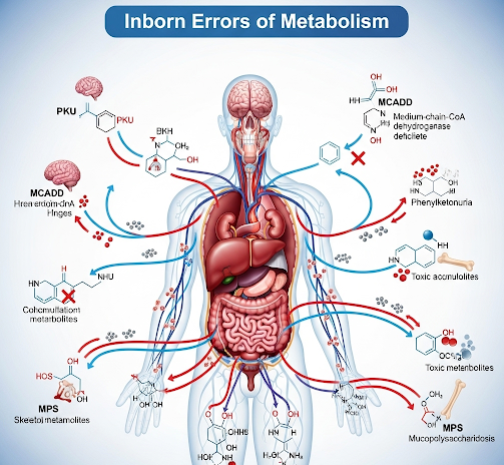
Overview Inborn Errors of Metabolism (IEM) are a large group of rare genetic disorders caused by defects in specific enzymes or biochemical pathways involved in the body’s metabolism. These defects lead to the accumulation of toxic substances or the deficiency of critical compounds necessary for normal growth and development. IEMs often present early in life […]
Inattentive ADHD in Korea

Overview Inattentive ADHD, also known as Attention-Deficit/Hyperactivity Disorder, Predominantly Inattentive Presentation, is a neurodevelopmental disorder characterized mainly by difficulties with attention, organization, and focus rather than hyperactivity or impulsiveness. It commonly affects children but can persist into adulthood. In Korea, specialized pediatric and adult psychiatry clinics provide comprehensive diagnosis and personalized treatment plans to help […]
Impulse Control Disorders in Korea

Overview Impulse Control Disorders (ICDs) are a group of psychiatric conditions characterized by the inability to resist urges or impulses that may be harmful to oneself or others. These disorders involve repetitive behaviors performed without forethought, often leading to distress, social or legal problems, and impaired functioning. In Korea, mental health professionals provide specialized care […]
Imperforate Hymen in Korea

Overview Imperforate hymen is a congenital condition where the hymen, a thin membrane partially covering the vaginal opening, completely obstructs the vaginal entrance. This condition occurs during fetal development when the hymen fails to perforate, preventing normal menstrual flow and causing various symptoms. In Korea, pediatric gynecology and urology specialists diagnose and treat imperforate hymen […]
Impacted Wisdom Teeth in Korea
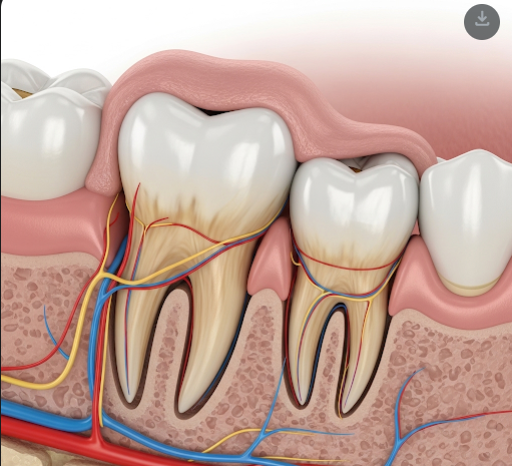
Overview Impacted wisdom teeth are a common dental condition where the third molars, also known as wisdom teeth, fail to erupt fully or properly into the mouth. This occurs due to limited space in the jaw or improper angulation of the teeth. Impacted wisdom teeth can lead to pain, infection, damage to neighboring teeth, and […]
Impacted Tooth in Korea
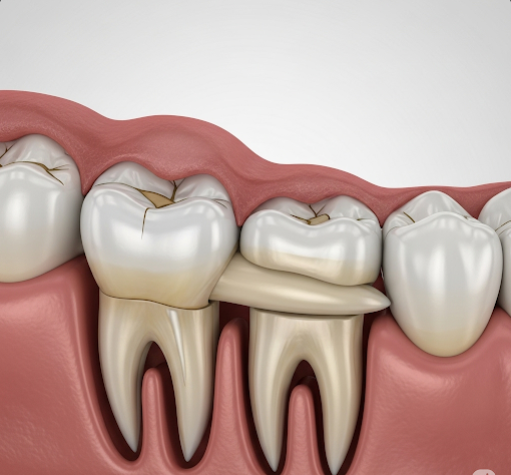
Overview An impacted tooth is a dental condition where a tooth fails to fully emerge through the gums or align properly within the dental arch. This commonly occurs with wisdom teeth (third molars), but can also affect other teeth. Impacted teeth can cause pain, infection, damage to adjacent teeth, and other oral health problems. In […]
Immunotherapy Side Effects in Korea

Overview Immunotherapy is a cutting-edge treatment that enhances or modulates the body’s immune system to fight diseases, especially cancer and certain autoimmune disorders. While immunotherapy has revolutionized medicine with remarkable success in treating conditions like melanoma, lung cancer, and lymphoma, it can also cause a range of side effects due to its powerful immune activation. […]
Immunocompromised (Immunosuppressed) in Korea
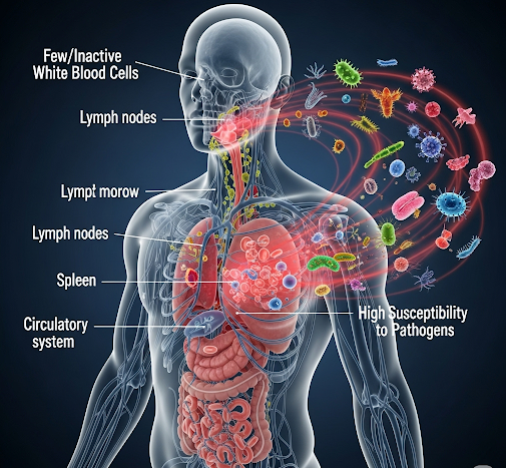
Overview Being immunocompromised or immunosuppressed refers to a state where a person’s immune system is weakened or impaired, reducing their ability to fight infections and diseases effectively. This condition can result from various causes including medical treatments, chronic illnesses, or genetic disorders. In Korea, specialized immunology and infectious disease centers provide comprehensive care to immunocompromised […]
Immune Thrombocytopenia in Korea
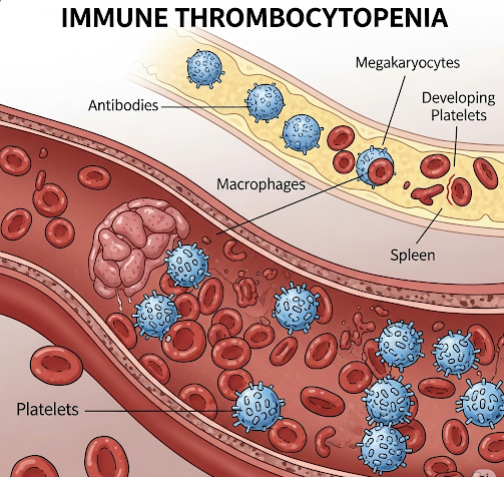
Overview Immune Thrombocytopenia (ITP), also known as Idiopathic Thrombocytopenic Purpura, is an autoimmune disorder characterized by a low platelet count (thrombocytopenia) due to the body’s immune system mistakenly attacking and destroying its own platelets. Platelets are essential for blood clotting, and their deficiency increases the risk of bleeding and bruising. In Korea, hematology and immunology […]
Illness Anxiety Disorder in Korea

Overview Illness Anxiety Disorder (IAD), previously known as hypochondriasis, is a mental health condition characterized by excessive worry and fear about having or developing a serious illness despite having little or no medical evidence to support this concern. Individuals with IAD often misinterpret normal bodily sensations or minor symptoms as signs of severe disease, leading […]