
Infected Eczema in Korea

Overview Infected eczema, also known as infected atopic dermatitis, occurs when the skin affected by eczema becomes colonized or invaded by bacteria, viruses, or fungi, leading to secondary infection. This complication can worsen the symptoms of eczema, causing increased redness, pain, oozing, and crusting. In Korea, dermatologists use advanced diagnostic tools and comprehensive treatment approaches […]
Infected Ear Piercing in Korea

Overview Infected ear piercing is a frequent complication resulting from the introduction of bacteria or other pathogens into the pierced skin site. Ear piercing is a popular cosmetic practice globally, including Korea, often performed for cultural, aesthetic, or personal reasons. While generally safe when done professionally, infections can occur due to improper technique, poor aftercare, […]
Infantile Spasms in Korea

Overview Infantile spasms (also known as West syndrome) is a rare but severe epilepsy syndrome that typically begins in infancy, usually between 3 to 12 months of age. It is characterized by sudden, brief muscle contractions (spasms), developmental regression, and a distinctive EEG pattern called hypsarrhythmia. Prompt diagnosis and treatment in Korea’s pediatric neurology centers […]
Infantile Neuroaxonal Dystrophy (INAD) in Korea
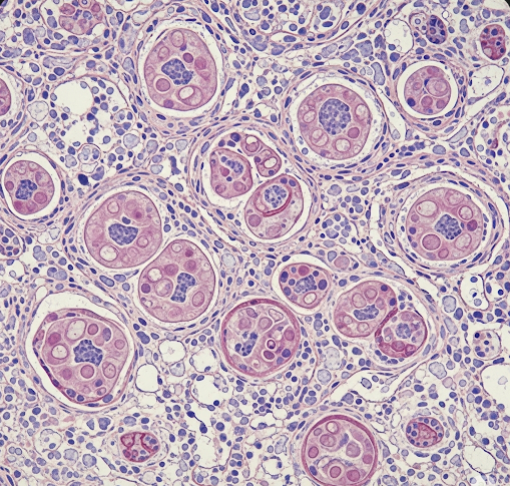
Overview Infantile Neuroaxonal Dystrophy (INAD) is a rare, inherited neurodegenerative disorder that primarily affects infants and young children. It is characterized by the progressive deterioration of nerve cells (neurons) due to abnormal accumulations of neurofilaments within axons, leading to motor and cognitive decline. In Korea, specialized pediatric neurology and genetic centers provide early diagnosis through […]
Infant Botulism in Korea
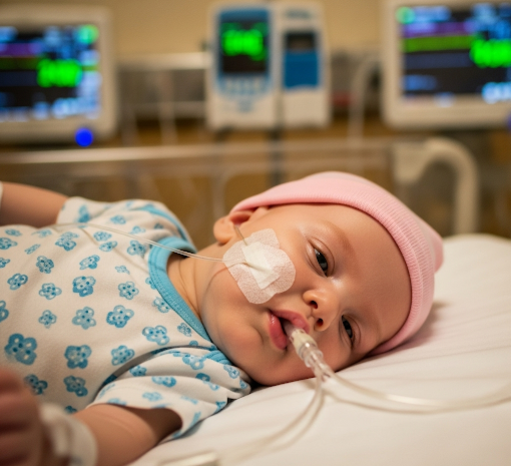
Overview Infant botulism is a rare but serious neurological disorder that affects infants, typically under 12 months old, caused by the ingestion of Clostridium botulinum spores. These spores germinate in the infant’s immature digestive system, producing a toxin that interferes with nerve function, leading to muscle weakness and paralysis. In Korea, pediatric neurology and infectious […]
Increased Intracranial Pressure (ICP) in Korea
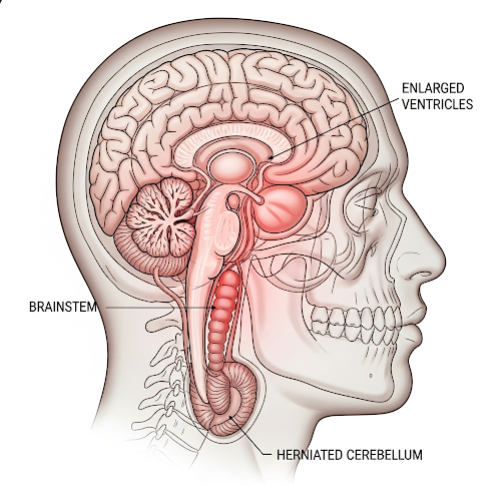
Overview Increased Intracranial Pressure (ICP) refers to the elevation of pressure inside the skull, which can result from various medical conditions affecting the brain. Elevated ICP is a critical and potentially life-threatening condition because the skull is a rigid structure that cannot expand, so increased pressure can compress brain tissue, reduce blood flow, and cause […]
Incompetent Cervix in Korea
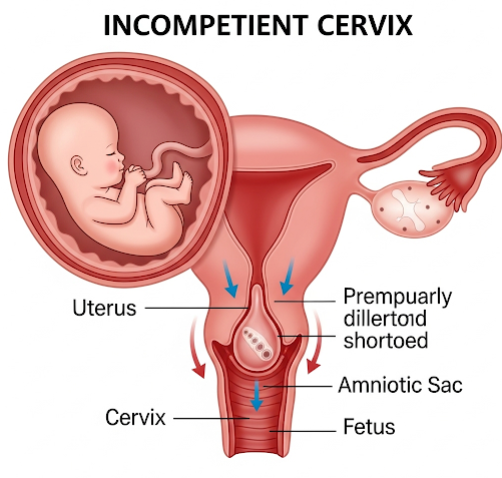
Overview An incompetent cervix, also known as cervical insufficiency, is a condition where the cervix—the lower part of the uterus—weakens and dilates prematurely during pregnancy without contractions. This can lead to miscarriage or preterm birth, often in the second trimester. In Korea, maternal-fetal medicine specialists offer advanced diagnostic tools and interventions, such as cervical cerclage, […]
Inclusion Body Myositis in Korea
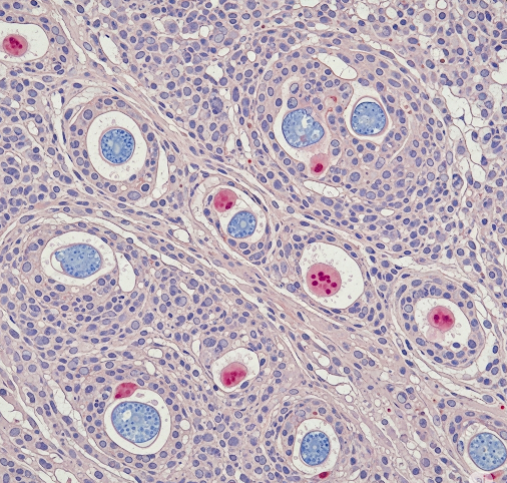
Overview Inclusion Body Myositis (IBM) is a rare, progressive inflammatory muscle disease characterized by muscle weakness and wasting, primarily affecting adults over the age of 50. It is classified as an inflammatory myopathy with both autoimmune and degenerative features. IBM leads to difficulty in performing everyday activities like climbing stairs, gripping objects, and swallowing. In […]
Incisional Hernia in Korea

Overview An incisional hernia is a type of hernia that occurs at the site of a previous surgical incision in the abdominal wall. It develops when the muscles and tissues around the surgical wound weaken or fail to heal properly, allowing internal organs or fatty tissue to protrude through the weakened area. Incisional hernias can […]
Incarcerated Hernia in Korea
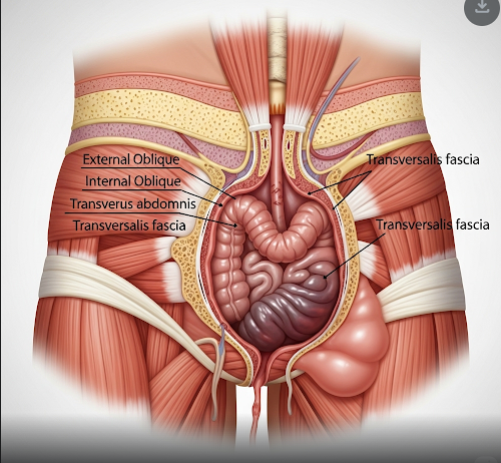
Overview An incarcerated hernia is a serious medical condition where a portion of the intestine or abdominal tissue becomes trapped (incarcerated) in a hernia sac and cannot be pushed back into the abdomen. This leads to compromised blood flow, causing swelling and pain, and may progress to strangulation, which is a surgical emergency. In Korea, […]