
Internuclear Ophthalmoplegia in Korea
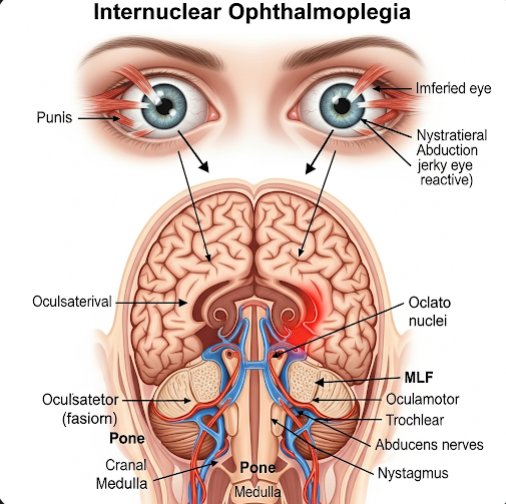
Overview Internuclear ophthalmoplegia (INO) is a neurological disorder affecting eye movement, characterized by impaired horizontal eye coordination. It results from damage to the medial longitudinal fasciculus (MLF), a neural tract that coordinates communication between the brainstem nuclei controlling eye muscles. INO causes difficulty in moving one eye inward (adduction), often accompanied by involuntary nystagmus (rapid, […]
Internal Stye in Korea
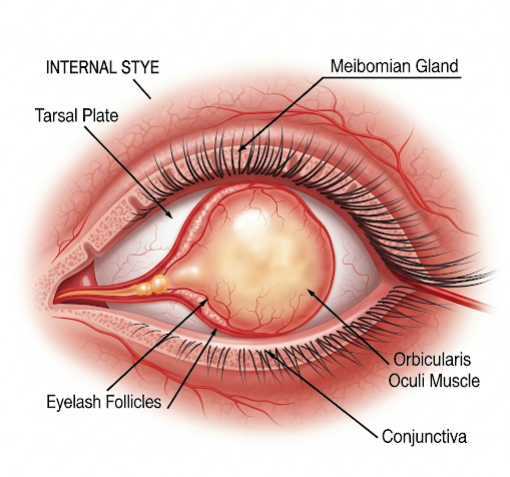
Overview An internal stye, medically known as an internal hordeolum, is a painful infection of the meibomian glands located inside the eyelid. Unlike an external stye that appears on the edge of the eyelid, an internal stye forms within the eyelid and often results in swelling, redness, and tenderness. Though generally not serious, if left […]
Internal Bleeding in Korea
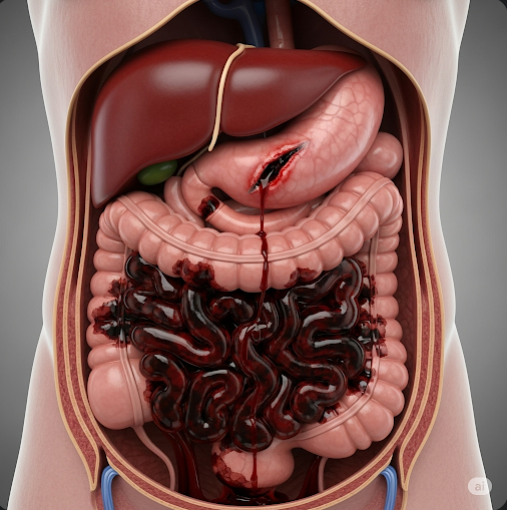
Overview Internal bleeding, medically known as internal hemorrhage, is a serious condition characterized by bleeding that occurs inside the body, within organs, tissues, or body cavities, rather than through an external wound. Unlike external bleeding, which is often visible and easier to identify, internal bleeding can be hidden and more difficult to detect, making it […]
Intermittent Explosive Disorder in Korea

Overview Intermittent Explosive Disorder (IED) is a mental health condition characterized by sudden, repeated episodes of aggressive outbursts or violent behavior disproportionate to the situation. These episodes may include verbal aggression, physical violence, or property damage. IED often results in distress and impairment in social, occupational, or other areas of functioning.In Korea, awareness of IED […]
Intellectual Disability in Korea

Overview Intellectual Disability (ID), previously referred to as mental retardation, is a developmental condition characterized by significant limitations in intellectual functioning and adaptive behaviors. These challenges affect an individual’s daily life, communication, social skills, and independent living. ID usually manifests before the age of 18 and varies widely in severity.In Korea, awareness and support for […]
Insulinoma in Korea
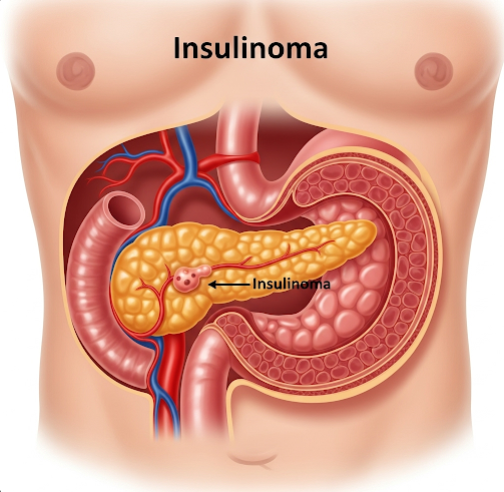
Overview Insulinoma is a rare neuroendocrine tumor of the pancreas that produces excessive amounts of insulin, leading to dangerously low blood sugar levels (hypoglycemia). Although most insulinomas are benign, they cause significant clinical symptoms due to recurrent hypoglycemia, which can affect the brain and other organs. Early diagnosis and treatment are critical to prevent complications.In […]
Insulin Resistance in Korea
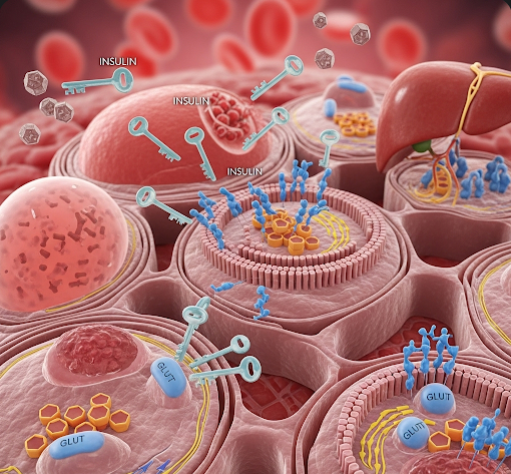
Overview Insulin resistance is a metabolic condition where the body’s cells become less responsive to the hormone insulin, which regulates blood sugar levels. As a result, glucose builds up in the bloodstream, leading to higher blood sugar and often progressing toward type 2 diabetes. Insulin resistance is also linked to other health issues like obesity, […]
In-Stent Restenosis in Korea
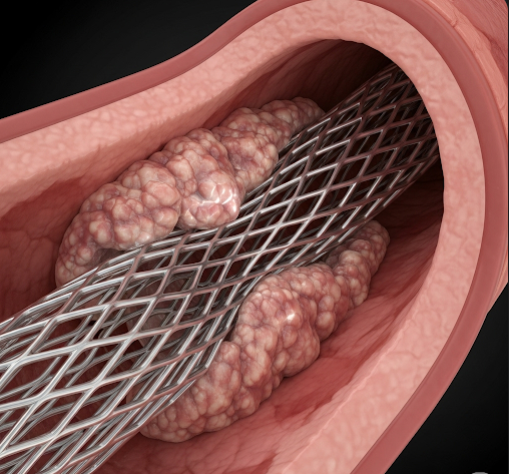
Overview In-Stent Restenosis (ISR) is a condition characterized by the re-narrowing or blockage of a coronary artery at the site where a stent was previously placed during a percutaneous coronary intervention (PCI). Stents are tiny mesh tubes inserted to keep arteries open after blockages, but in some cases, the artery narrows again due to tissue […]
Insomnia in Korea

Overview Insomnia is a common sleep disorder characterized by difficulty falling asleep, staying asleep, or waking up too early and not being able to return to sleep. It can be short-term (acute) or long-term (chronic), significantly affecting a person’s health, mood, and daily functioning.In Korea, where work and study schedules are often demanding, insomnia is […]
Inner Ear Infection (Otitis Interna) in Korea
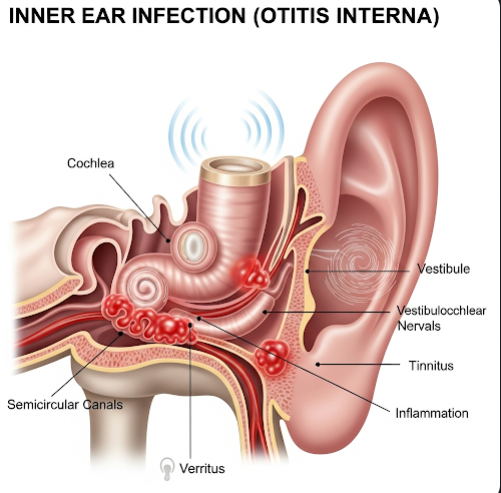
Overview An inner ear infection, medically known as Otitis Interna or Labyrinthitis, is a condition where the innermost part of the ear becomes inflamed due to infection, injury, or autoimmune disorders. The inner ear contains the cochlea (for hearing) and the vestibular system (for balance). When these delicate structures are affected, patients can experience hearing […]