
Intraductal Papilloma in Korea
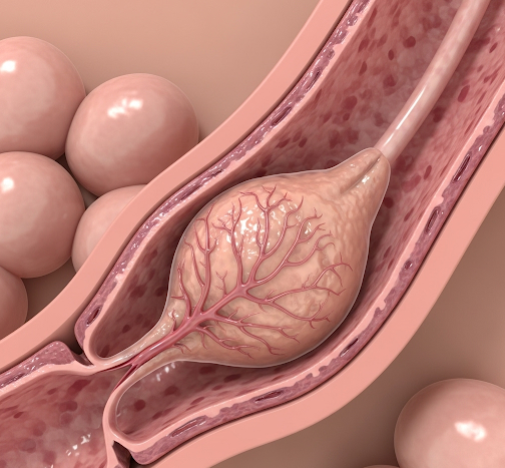
Overview Intraductal papilloma is a benign tumor that develops within the milk ducts of the breast. It consists of papillary epithelial proliferations—finger-like projections lined by both epithelial and myoepithelial cells—that grow inside the lactiferous ducts. Although these growths are non-cancerous, they can cause symptoms such as nipple discharge or palpable lumps and occasionally harbor atypical […]
Intraductal Papillary Mucinous Neoplasm (IPMN) in Korea
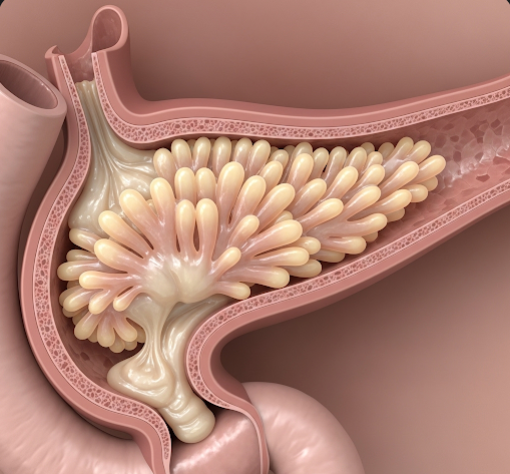
Overview Intraductal Papillary Mucinous Neoplasm (IPMN) is a type of cystic tumor that arises from the pancreatic ducts. It is characterized by the production of thick mucin and has the potential to progress from benign cystic lesions to invasive pancreatic cancer. IPMN is increasingly detected due to advanced imaging techniques and is considered a precancerous […]
Intoxication in Korea

Overview Intoxication is a medical condition resulting from exposure to toxic substances—chemicals, drugs, or natural poisons—that overwhelm the body’s ability to metabolize or eliminate them, leading to harmful physiological effects. It can affect virtually any organ system depending on the toxin involved, and its severity ranges from mild discomfort to fatal outcomes. Intoxication may be […]
Intestinal Parasites in Korea
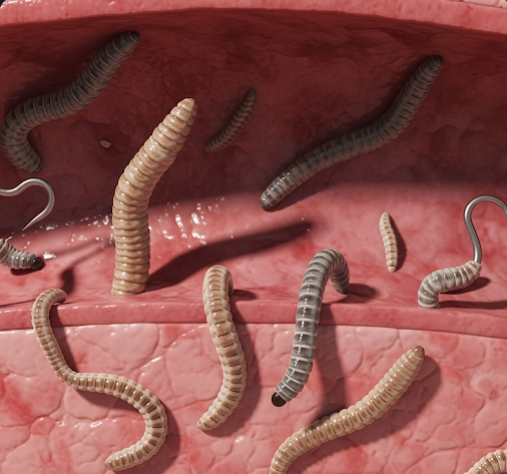
Overview Intestinal parasites are organisms that live in the gastrointestinal tract of humans, feeding off the host and often causing a range of digestive and systemic symptoms. These parasites can be protozoa (single-celled organisms) or helminths (worms), and they are common worldwide, especially in regions with limited sanitation. In Korea, improved public health measures have […]
Intestinal Metaplasia in Korea
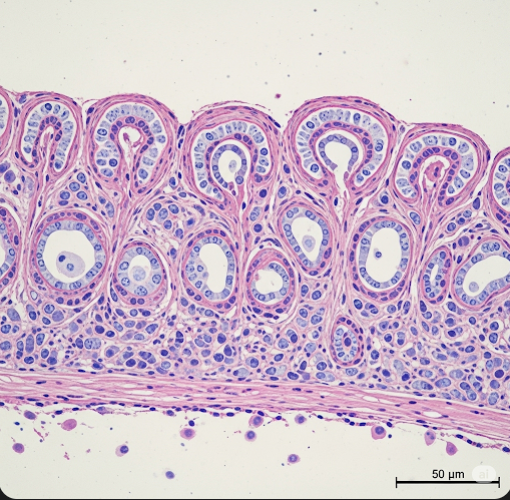
Overview Intestinal metaplasia is a condition in which the normal lining cells of the stomach or esophagus are replaced by cells resembling those found in the intestines. This cellular transformation is considered a precancerous change because it increases the risk of developing gastric or esophageal cancer over time. In Korea, where gastric cancer rates are […]
Intestinal Ischemic Syndrome in Korea
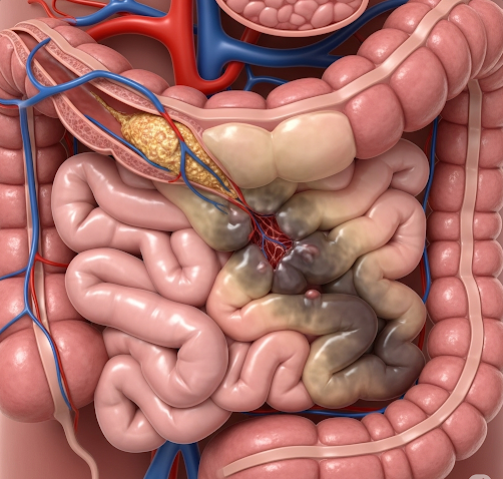
Overview Intestinal Ischemic Syndrome, also known as intestinal ischemia or mesenteric ischemia, is a serious medical condition where blood flow to the intestines is reduced or blocked. This reduction in blood supply can cause tissue damage, inflammation, and if untreated, can lead to life-threatening complications such as bowel necrosis. Prompt diagnosis and treatment are crucial […]
Intertrigo in Korea

Overview Intertrigo is a common inflammatory condition that affects areas where skin surfaces rub together, such as skin folds. It results in redness, irritation, and sometimes infection in these warm, moist regions. Though generally not serious, intertrigo can cause significant discomfort and may lead to complications if untreated. In Korea, medical professionals have considerable experience […]
Interstitial Lung Disease in Korea
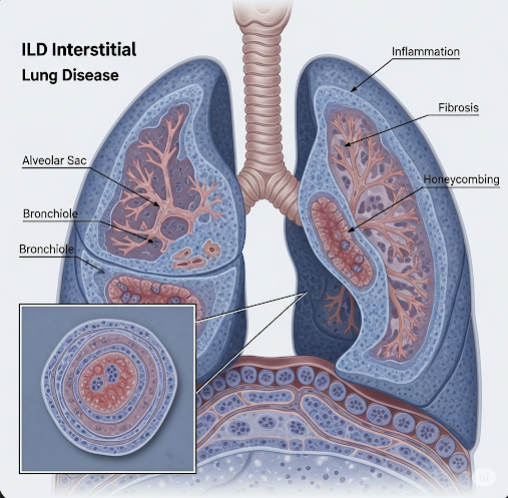
Overview Interstitial Lung Disease (ILD) refers to a broad group of disorders characterized by progressive scarring and inflammation of the lung’s interstitium — the tissue and space around the air sacs (alveoli). This damage impairs the lungs’ ability to transfer oxygen into the bloodstream, leading to symptoms such as persistent cough, breathlessness, and fatigue. ILD […]
Interstitial Cystitis/Bladder Pain Syndrome in Korea
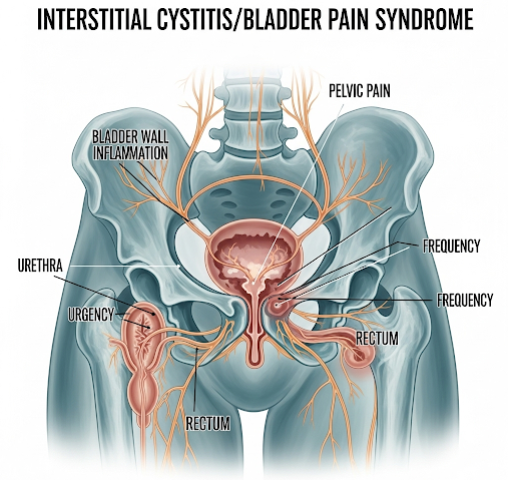
Overview Interstitial Cystitis (IC), also called Bladder Pain Syndrome (BPS), is a chronic condition characterized by bladder pain, urinary urgency, frequency, and discomfort. Unlike typical urinary tract infections, IC/BPS is not caused by bacteria but involves inflammation or irritation of the bladder wall, leading to persistent pelvic pain and urinary symptoms. This condition significantly affects […]
Interrupted Aortic Arch in Korea
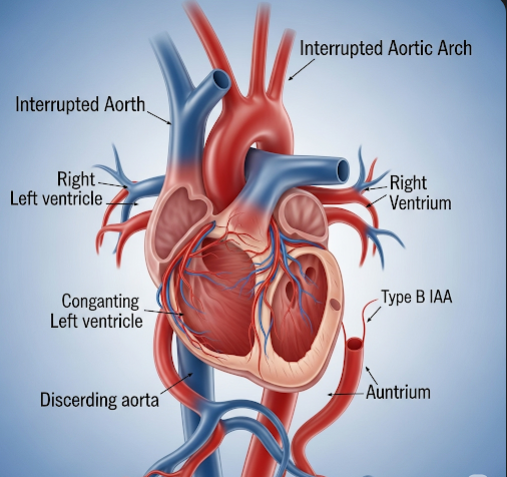
Overview Interrupted Aortic Arch (IAA) is a rare but critical congenital heart defect characterized by a complete discontinuity or break in the aortic arch — the major artery that carries oxygenated blood from the heart to the rest of the body. This interruption prevents normal blood flow from the heart to the lower body, which […]