
Teething in Korea

Overview Teething is a natural developmental process in infants when their primary (baby) teeth begin to emerge through the gums. This milestone usually starts around 6 months of age but can vary widely among children. While teething is a normal part of growth, it often causes discomfort, irritability, and other symptoms in babies. In Korea, […]
Tear Duct Blockage in Korea
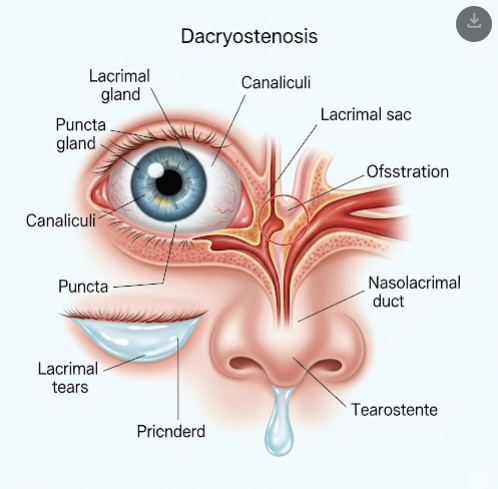
Overview Tear duct blockage, also known as nasolacrimal duct obstruction, is a condition where the tear drainage system becomes partially or completely blocked. This blockage prevents tears from draining normally from the eyes into the nose, leading to excessive tearing, eye irritation, and increased risk of infection. Tear duct blockage is common in newborns but […]
Tay-Sachs Disease in Korea
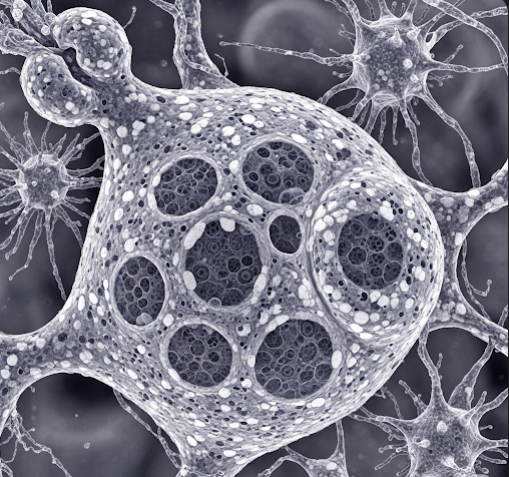
Overview Tay-Sachs disease is a rare, inherited genetic disorder that causes progressive damage to the nervous system. It is characterized by the absence or deficiency of an enzyme called hexosaminidase A, which leads to the accumulation of harmful substances in nerve cells. This accumulation results in the destruction of brain and spinal cord neurons, causing […]
Tattoo Regret in Korea

Overview Tattoo regret refers to the emotional or psychological distress experienced by individuals who feel unhappy or dissatisfied with their tattoos after getting them. This can result from various reasons such as changes in personal taste, social or professional concerns, poor tattoo quality, or life events that alter one’s perspective. Tattoo regret is common worldwide, […]
Tattoo Infection in Korea
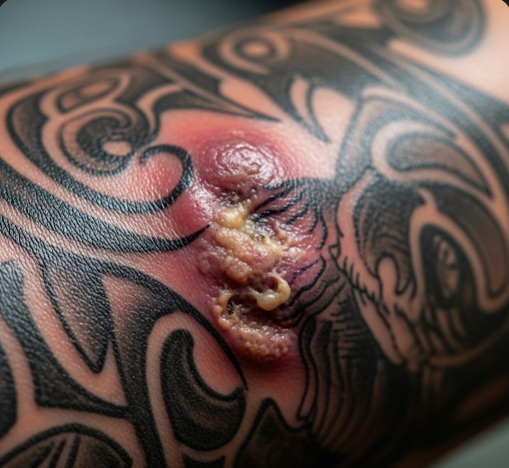
Overview Tattooing is a popular form of body art and self-expression that involves injecting ink into the skin. While generally safe when performed under hygienic conditions, tattooing carries the risk of infection if proper sterilization and aftercare are not followed. Tattoo infections can range from mild localized skin irritation to severe systemic infections, sometimes requiring […]
Tarsal Tunnel Syndrome in Korea
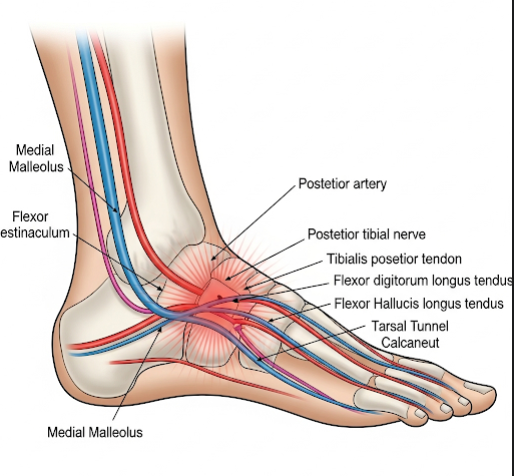
Overview Tarsal Tunnel Syndrome (TTS) is a condition caused by compression of the posterior tibial nerve as it passes through the tarsal tunnel—a narrow space located on the inside of the ankle. This nerve entrapment leads to pain, numbness, and tingling in the foot and ankle, which can significantly affect mobility and daily activities. TTS […]
Takayasu’s Arteritis in Korea
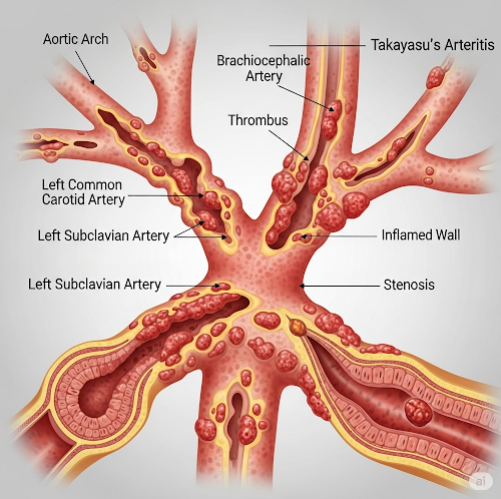
Overview Takayasu’s arteritis (TA) is a rare, chronic inflammatory disease that primarily affects large blood vessels, especially the aorta and its main branches. It causes thickening and narrowing of these arteries, leading to reduced blood flow to organs and tissues. This condition can result in serious complications such as hypertension, stroke, or organ ischemia. Although […]
Tailbone Pain in Korea

Overview Tailbone pain, medically known as coccydynia, refers to discomfort or pain in the coccyx, the small bony structure at the very bottom of the spine. Though often overlooked, this condition can cause significant distress, making sitting, standing, or certain movements uncomfortable. Tailbone pain can arise from trauma, repetitive strain, or degenerative changes. In Korea, […]
Tachycardia in Korea
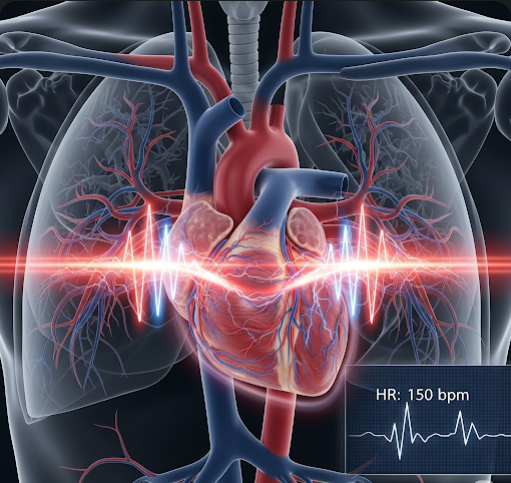
Overview Tachycardia is a medical condition characterized by an abnormally fast heart rate, typically defined as a resting heart rate exceeding 100 beats per minute in adults. It can be a normal physiological response to stress, exercise, or excitement but may also indicate an underlying health issue requiring medical attention. Tachycardia can affect the heart’s […]
Itchy Skin at Night in Korea

Overview Itchy skin at night, medically termed nocturnal pruritus, is a widespread and often distressing symptom that affects people of all ages worldwide, including Korea. This phenomenon involves an uncomfortable urge to scratch that worsens or primarily occurs during nighttime hours, disrupting sleep and reducing quality of life. While mild itching can be a transient […]