
Isthmocele (Cesarean Scar Defect) in Korea
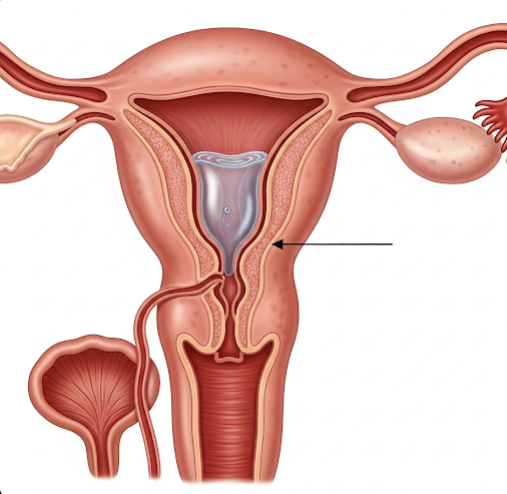
Overview Isthmocele, also known as a cesarean scar defect or uterine niche, is a defect or pouch-like indentation that forms at the site of a previous cesarean section (C-section) scar in the lower uterine segment. It occurs when the uterine wall does not heal properly after the surgical incision, leading to a thinning or disruption […]
Isolated Systolic Hypertension in Korea
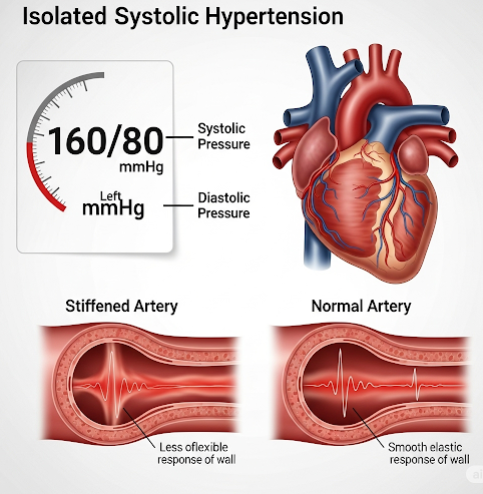
Overview Isolated systolic hypertension (ISH) is a common form of high blood pressure characterized by an elevated systolic blood pressure (the top number) above 130 mmHg while the diastolic pressure (the bottom number) remains below 80 mmHg. It primarily affects older adults but can occur at any age. ISH is a significant cardiovascular risk factor […]
Ischial Bursitis in Korea
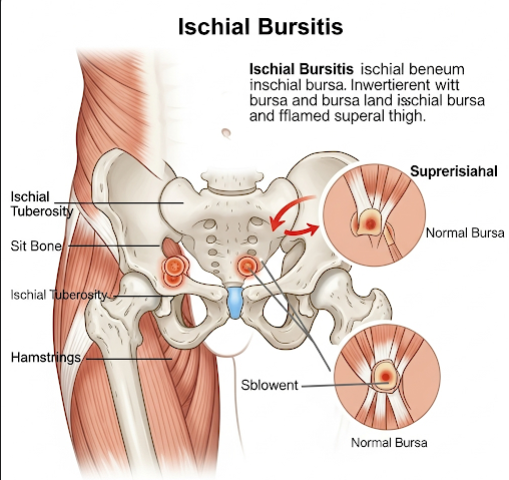
Overview Ischial bursitis is an inflammatory disorder involving the ischial bursa, a small, fluid-filled sac located over the ischial tuberosity—the “sit bone” at the lower pelvis. This bursa functions to minimize friction between the ischial tuberosity and the overlying muscles, tendons (notably the hamstrings), and skin during movements such as sitting, walking, and running. When […]
Ischemic Stroke in Korea
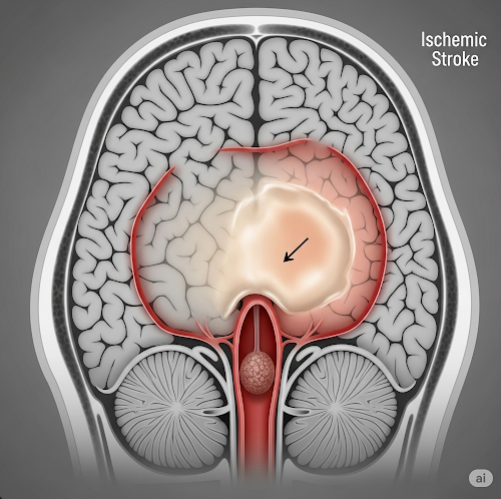
Overview Ischemic stroke is a medical emergency caused by the sudden blockage of a blood vessel supplying the brain, leading to oxygen deprivation and death of brain tissue in the affected area. It represents approximately 80–85% of all stroke cases globally, including in Korea, where stroke remains a leading cause of adult disability and death. […]
Ischemic Optic Neuropathy in Korea
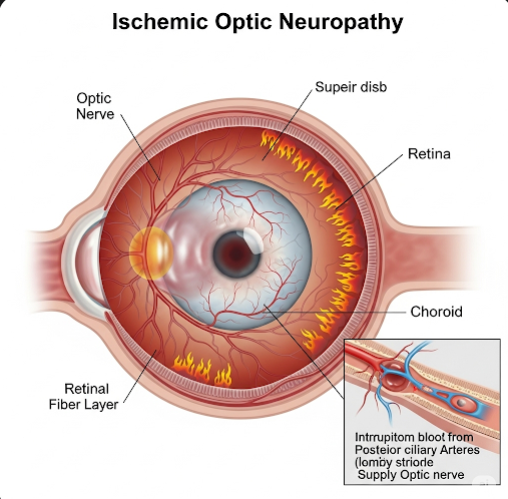
Overview Ischemic optic neuropathy (ION) is a serious eye condition caused by insufficient blood flow to the optic nerve, which can result in sudden, painless vision loss. The optic nerve is vital for transmitting visual information from the retina to the brain, and damage due to ischemia can lead to permanent visual impairment or blindness […]
Ischemic Colitis in Korea
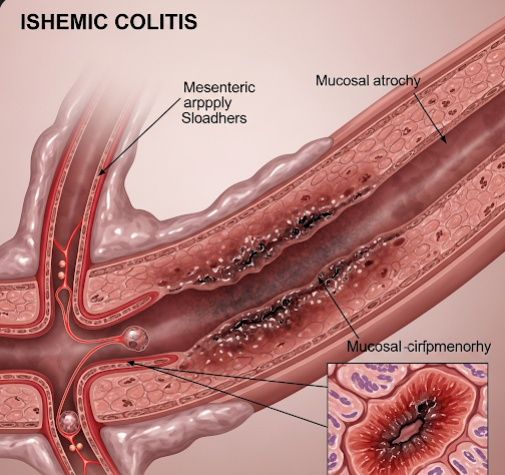
Overview Ischemic colitis is a common form of intestinal ischemia resulting from reduced or interrupted blood flow to the colon. This decrease in perfusion causes inflammation, injury, and in severe cases, necrosis (tissue death) of the colonic mucosa. Ischemic colitis mainly affects the elderly population and those with underlying vascular or cardiac diseases but can […]
Ischemic Cardiomyopathy in Korea
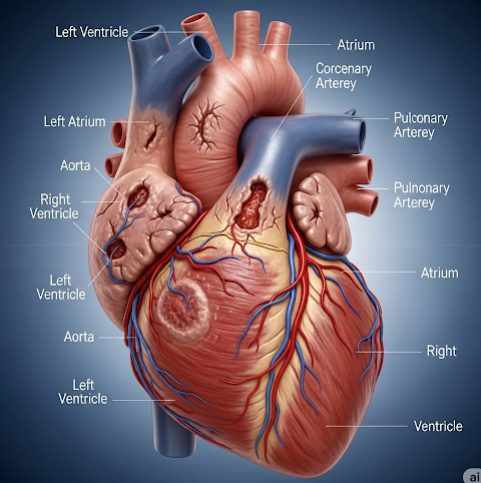
Overview Ischemic cardiomyopathy (ICM) is a chronic and progressive heart muscle disease resulting from prolonged inadequate blood supply to the myocardium (heart muscle) caused primarily by coronary artery disease (CAD). This persistent ischemia leads to myocardial injury, scarring (fibrosis), and loss of contractile function, especially in the left ventricle, the heart’s main pumping chamber. The […]
Ischemia in Korea
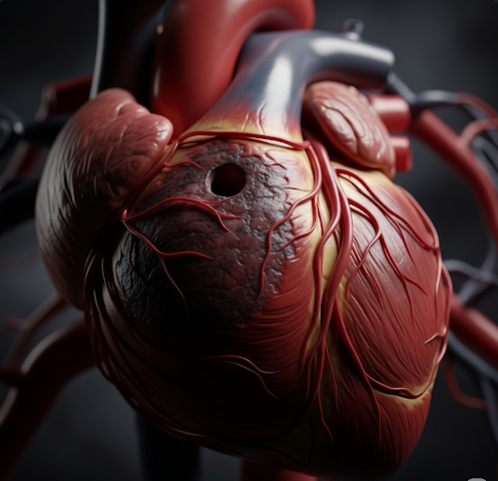
Overview Ischemia is a pathological condition characterized by the reduction or complete obstruction of blood flow to tissues or organs, leading to a deficiency in oxygen and essential nutrients necessary for cellular metabolism and survival. This compromised blood supply can cause reversible tissue dysfunction initially but, if prolonged, may result in irreversible damage and necrosis […]
Isaacs Syndrome in Korea
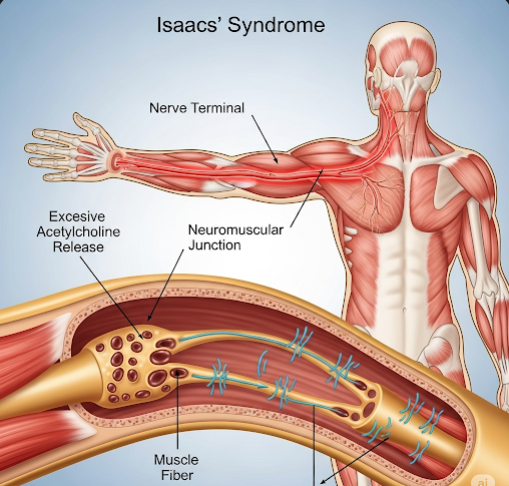
Overview Isaacs’ Syndrome, also called acquired neuromyotonia, is a rare autoimmune neuromuscular disorder characterized by continuous, involuntary muscle activity caused by peripheral nerve hyperexcitability. It leads to muscle stiffness, cramping, fasciculations (visible muscle twitching), and delayed muscle relaxation. This persistent abnormal muscle activity occurs because the nerves that control muscles become overactive due to an […]
Irregular Periods in Korea

Overview Irregular periods, also known as menstrual irregularities, refer to variations in the timing, duration, and flow of menstruation that deviate from the typical menstrual cycle. The normal menstrual cycle lasts about 21 to 35 days, with bleeding lasting between 3 and 7 days. When these parameters vary significantly—such as cycles that are too frequent, […]