
Thalassemia in Korea
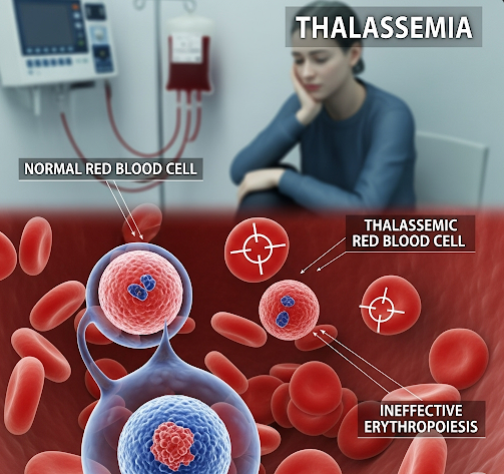
Overview Thalassemia is an inherited blood disorder characterized by abnormal hemoglobin production, leading to reduced oxygen-carrying capacity and chronic anemia. It primarily affects red blood cells, causing fatigue, weakness, and other systemic complications. There are several types of thalassemia, with alpha and beta thalassemia being the most common. South Korea provides advanced diagnostic laboratories, genetic […]
Tethered Spinal Cord Syndrome in Korea
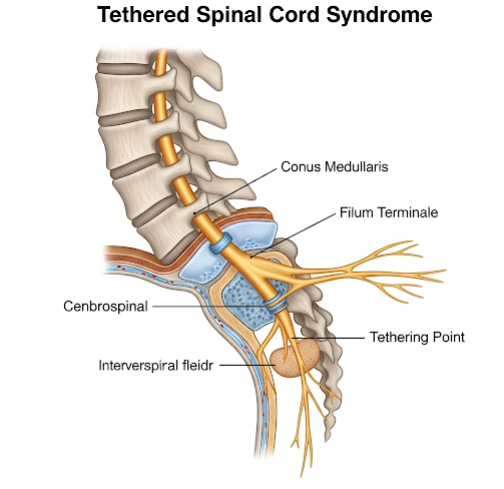
Overview Tethered Spinal Cord Syndrome (TSCS) is a neurological disorder in which the spinal cord is abnormally attached or “tethered” to surrounding tissues, limiting its normal movement within the spinal column. This tension can stretch the spinal cord, causing progressive neurological symptoms. TSCS can be congenital—present at birth—or acquired later due to trauma, surgery, or […]
Tetralogy of Fallot in Korea
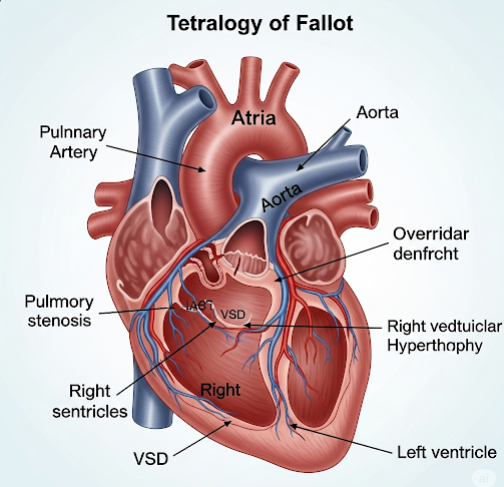
Overview Tetralogy of Fallot (TOF) is a rare congenital heart defect that involves four structural abnormalities of the heart, resulting in insufficient oxygenation of blood. These defects lead to cyanosis, commonly referred to as a “blue baby” condition, due to the reduced oxygen levels in the bloodstream. TOF is usually diagnosed at birth or in […]
Tethered Spinal Cord Syndrome in Korea
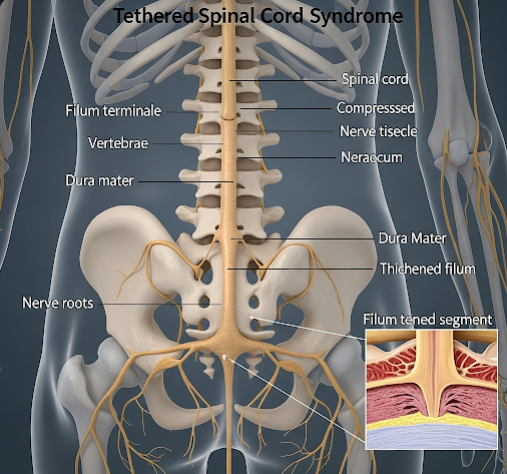
Overview Tethered Spinal Cord Syndrome (TSCS) is a neurological disorder in which the spinal cord is abnormally attached or “tethered” to surrounding tissues, restricting its movement within the spinal column. This abnormal attachment can cause stretching of the spinal cord as a child grows or due to spinal trauma, leading to neurological symptoms. TSCS can […]
Tetanus in Korea

Overview Tetanus is a serious bacterial infection caused by Clostridium tetani, which affects the nervous system and leads to muscle stiffness and spasms. Commonly known as “lockjaw,” tetanus can interfere with breathing, swallowing, and other vital functions. The bacteria usually enter the body through puncture wounds, cuts, or burns that come into contact with contaminated […]
Testicular Pain in Korea
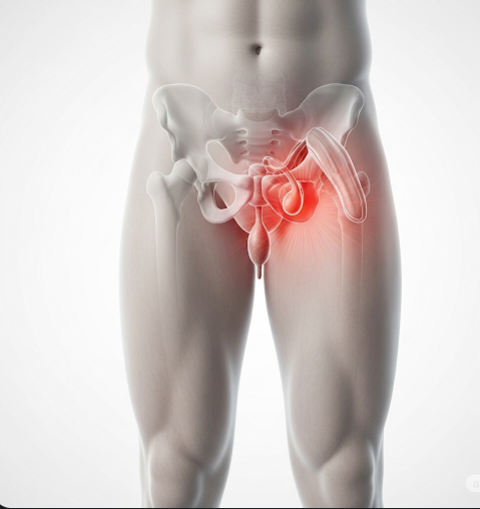
Overview Testicular pain, also known as orchialgia, is discomfort or pain that occurs in one or both testicles. This symptom can range from mild and intermittent to severe and sudden, and it may indicate an underlying medical condition requiring prompt attention. Causes can include infections, injuries, chronic conditions, or even referred pain from other areas […]
Testicular Cancer in Korea
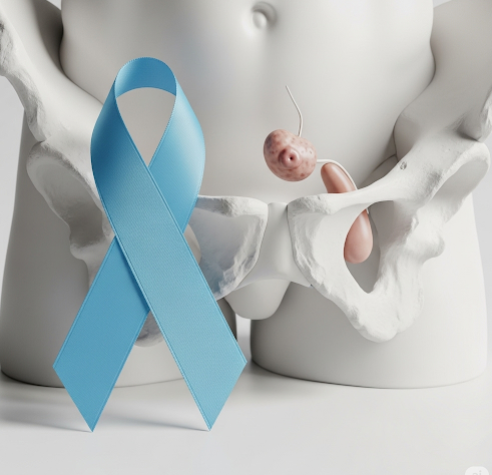
Overview Testicular cancer is a malignant growth that develops in the testicles, the male reproductive organs responsible for producing sperm and testosterone. Though relatively rare compared to other cancers, it is the most common cancer in men aged 15 to 35. Early detection and treatment are highly effective, with survival rates exceeding 95% in most […]
Tennis Elbow (Lateral Epicondylitis) in Korea

Overview Tennis Elbow, medically known as Lateral Epicondylitis, is a condition characterized by pain and inflammation on the outer part of the elbow. It occurs when the tendons that attach the forearm muscles to the lateral epicondyle—a bony prominence on the elbow—become overloaded or damaged. Despite its name, Tennis Elbow is not exclusive to tennis […]
Temporomandibular Joint (TMJ) Disorders in Korea

Overview Temporomandibular Joint (TMJ) disorders refer to a group of conditions affecting the jaw joint and the muscles that control jaw movement. The TMJ connects the lower jaw (mandible) to the skull (temporal bone) and functions like a sliding hinge, allowing activities such as speaking, chewing, and yawning. TMJ disorders can cause pain, restricted movement, […]
Teeth Grinding (Bruxism) in Korea

Overview Teeth grinding, medically known as bruxism, is a common condition characterized by the involuntary clenching, grinding, or gnashing of teeth. It can occur during the day (awake bruxism) or at night during sleep (sleep bruxism). Bruxism can lead to tooth damage, jaw pain, headaches, and other complications if left untreated. In South Korea, with […]